 Wishlist


Start with one clear decision: what you actually need the space to do
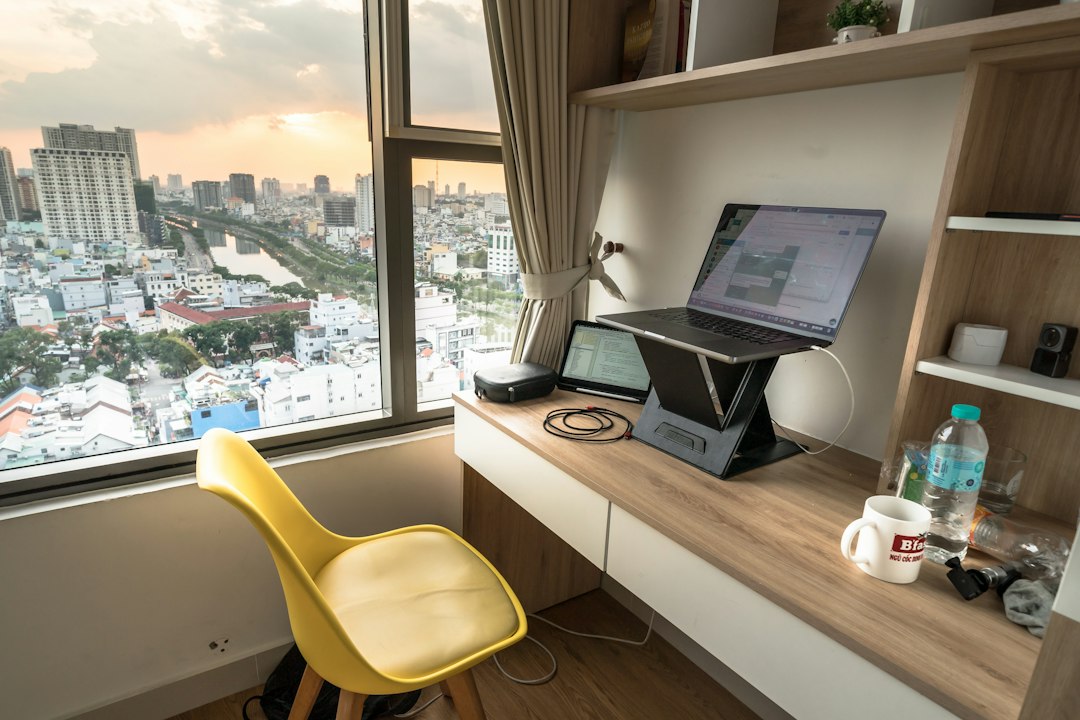
Before picking paint colors or a chair, decide the primary function of your stylish home office. Is it for focused deep work, video meetings, creative projects, or a hybrid that must also store household paperwork? Define 1–2 dominant activities and note the daily tools each requires (monitor, sketchpad, camera, filing). This single decision guides every practical choice that follows.
Choose the right layout for your work habits and room
Match layout to activity. For focused desk work, orient the desk so your back isn’t to the room’s door or the main entrance—the fewer visual interruptions, the better. If meetings and video calls are frequent, place the camera-facing wall behind you with a tidy, intentional background. Creative or multi-task setups benefit from a corner desk or an L-shape that separates visible meeting space from the active work surface.
Small-room trade-off: a wall-mounted fold-down desk or a narrow console can be surprisingly effective. For larger rooms, create distinct zones—work, reference (books/samples), and storage—so the surface stays clear.
Essential furniture and ergonomics that won’t date quickly
Prioritize a comfortable chair and a desk at the right height—those choices affect daily comfort more than decorative pieces. Look for:
- An adjustable task chair with lumbar support (or a good cushion) if you spend more than a few hours daily.
- A desk with enough depth for a monitor and a few work items; 24–30 inches deep is a sensible minimum for most setups.
- Monitor risers or an adjustable monitor arm to keep the screen at eye level to reduce neck strain.
Finish styles (wood, metal, glass) are a personal choice—lean toward neutral finishes if you want longevity and easier redecorating.
Organize surfaces and drawers so decision fatigue disappears
Keep the desktop intentionally minimal: a primary tool (laptop or monitor), task light, and one small tray for current papers. Everything else belongs in designated storage.
Drawer organization wins back minutes every day. Clear dividers and small trays separate pens, cables, and chargers so you don’t rifle through a jumble. For most home offices, a single shallow top drawer for daily essentials plus a deeper drawer or vertical file for documents covers 80% of needs.
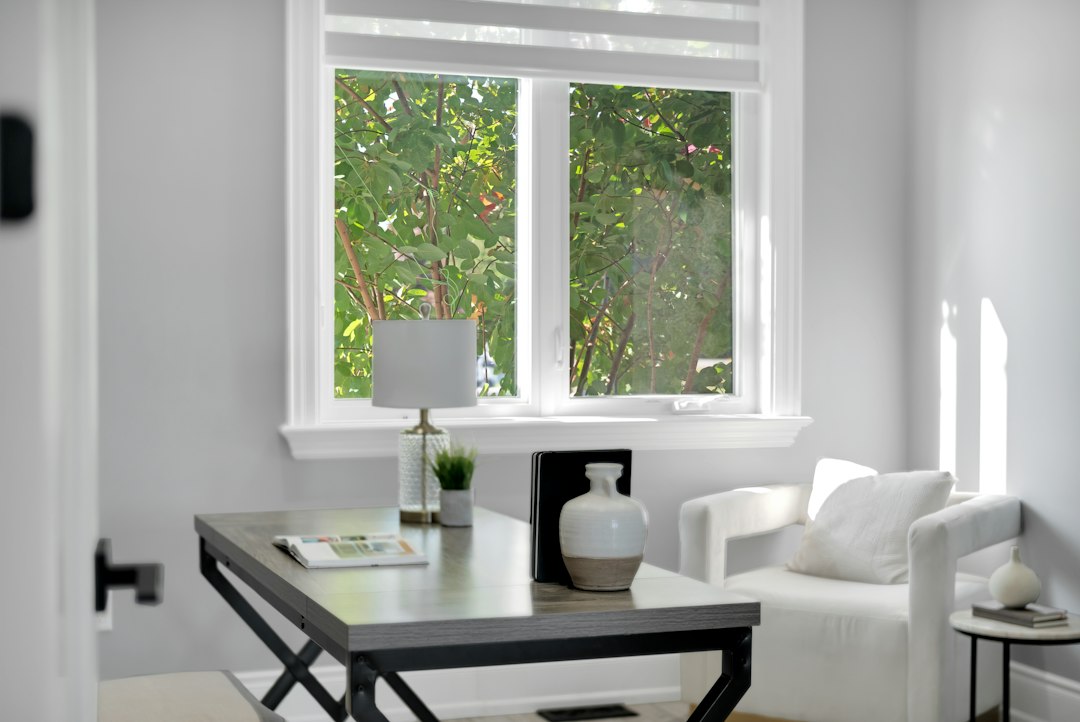
If you need to store reference materials, open shelving keeps frequently used items in sight; closed cabinets hide clutter. Mix both—use shelves for curated objects and frequently used references, and closed storage for supplies, receipts, and archived paperwork.
Light and color choices that support focus and look intentional
Layer light: ambient (room), task (desk lamp), and accent (shelving or picture lighting). A dimmable LED desk lamp with adjustable color temperature helps you match light to the task—cooler for focused work, warmer for late-night review.
Color-wise, choose a neutral base (soft white, warm gray) and add one accent color in textiles or a single wall to create personality without visual noise. For small rooms, keep the palette light to preserve a sense of space.
Smart cable and tech management that’s practical, not obsessive
Plan power before you place furniture. A common mistake is putting a desk away from outlets and then hiding multiple extension cords. Use a single surge-protected power strip under the desk, clip cables to the underside with adhesive mounts, and route monitor/charger cords through a grommet or a slim cable tray.
For audio and video: test your webcam framing and room acoustics. A rug, fabric wall art or a bookshelf helps reduce echo.
Styling without clutter: small decisions that read as intentional
Limit visible desk items to three: a functional object (lamp), a tool (notebook or pen cup) and one personal or decorative piece (small sculpture or plant). On shelving, group objects in odd-numbered clusters and leave breathing room. Rotate items seasonally rather than accumulating more.
Storage systems by use case
Paper-heavy work: a two-folder system—active and archive—keeps the pile manageable. Use labeled magazine files or a vertical file if floor space is tight.
Supplies-focused work (crafts, hardware): shallow drawers with clear dividers make small parts accessible. For mixed supplies, stackable transparent bins or a rolling cart keeps everything mobile.
Digital-first workers: invest time in a simple digital filing system and use a single physical inbox for incoming items; process it daily.
One practical product choice to tidy your daily flow
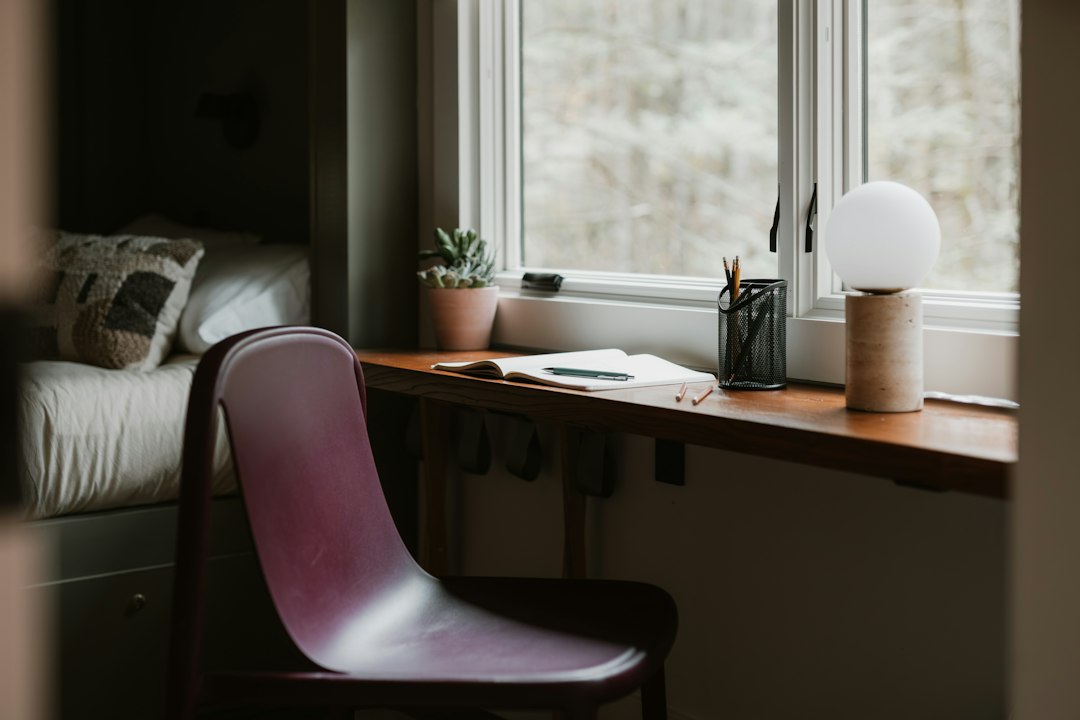
If you want an immediate, tangible upgrade to organization, clear drawer dividers are one of the highest-impact, low-cost solutions. They work in shallow top drawers and larger filing drawers alike—making everything visible and reducing morning friction.
Small maintenance habits that keep style and order
Set two weekly habits: a five-minute end-of-week clear-out (put away loose papers, wipe surfaces) and a monthly deeper tidy (assess what’s outgrown the space). Treat these as light maintenance, not chores—consistent small actions preserve the look you worked to create.
- List the single primary function(s) of your office.
- Measure desk area and plan cable/power placement before buying furniture.
- Choose an ergonomic chair and monitor height solution.
- Install simple drawer dividers or clear trays for small items.
- Add layered lighting: ambient plus a dimmable task lamp.
- Schedule 5-minute weekly tidy and one monthly deep-organize.
Designing a stylish home office is decision-first work: define use, then select layout, ergonomics, lighting and targeted storage to support that use. Small, consistent habits and a few quality organizing tools keep the space functional and visually calm.
How much space do I need for a functional home office?
Even a 4–5 foot wall can work for a desk and chair; depth matters more than width—aim for at least 24 inches of desk depth. Consider vertical storage if floor space is limited.
What lighting is best for video calls?
Use soft, front-facing light at eye level (a diffused LED desk lamp or ring light) and avoid strong backlighting from windows during calls.
Should I hide or show books and decor?
Mix both: show a curated selection on open shelves for personality, and keep reference materials or supplies behind cabinet doors for a tidier look.
How can I make a small home office feel larger?
Choose light wall colors, keep furniture streamlined, reduce visible clutter, and use mirrors or reflective surfaces sparingly to enhance light.
Which storage solution improves daily productivity most?
Clear drawer dividers and a simple top-drawer “daily essentials” zone reduce time spent searching and lower decision fatigue.