 Wishlist


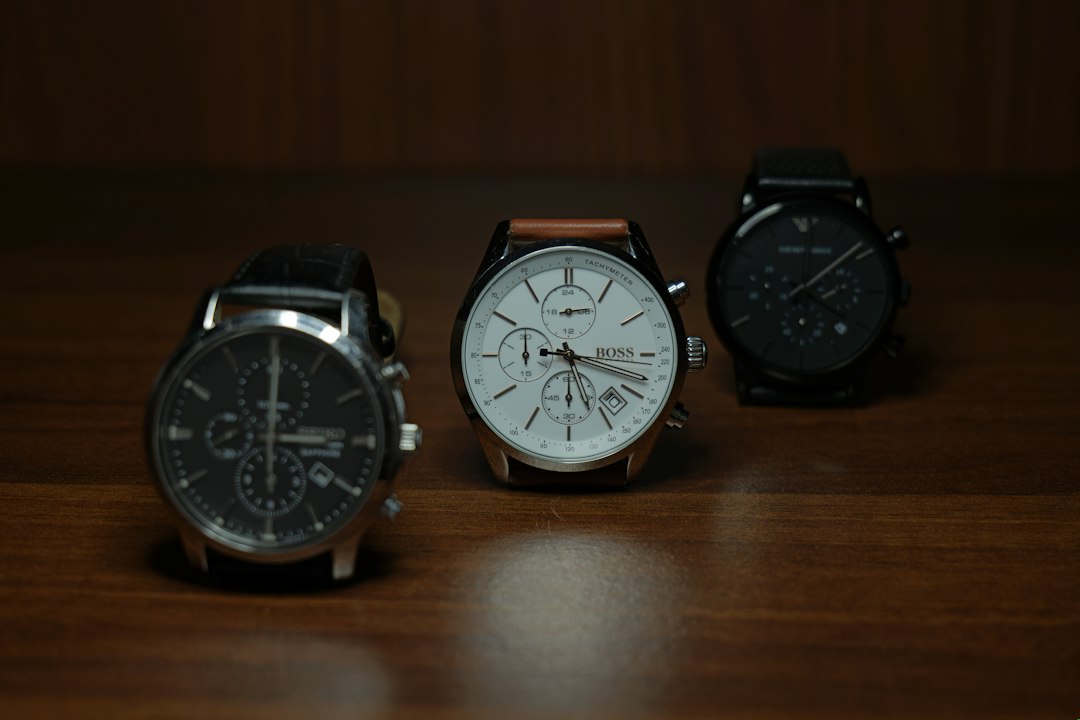
Answer first: pick the watch that matches what you actually do, not just what looks good
If you want one watch that feels right most days, choose by primary use—formal, everyday, active, or tech—and then refine by scale (dial size), strap, and finish. Function narrows options quickly: a true sports/diver will be bulky and water-resistant; a dress watch will be slim with a simple dial; a smartwatch prioritizes notifications and customization. Once you know the main role, match size and material to your wrist, wardrobe and comfort.
What really matters before you look at brands or trends
Too many shoppers start with aesthetics. Start instead with these priorities so your final choice fits your life:
- Primary use: Work/formal, everyday casual, sports/outdoor, or health & connectivity (smartwatch).
- Wrist size and comfort: Case diameter and lug-to-lug length determine whether a watch sits well or overhangs.
- Durability and resistance: Water resistance, shock resistance, and strap material for your activities.
- Maintenance and movement: Quartz requires minimal care; mechanical needs servicing; smartwatches need charging and updates.
- Style language: Case finish (polished vs brushed), dial complexity, and strap texture determine dressiness.
Choose by use case: match watch type to how you live
Dress and formal watches: understated, thin, elegant
What to prioritize: slim case (6–9mm typical), simple dial (no heavy subdials), leather or fine metal bracelet, 36–40mm case diameter for most wrists. A polished case and a plain dial read as dressier; avoid large rotating bezels or bulky crowns. If you rarely wear suits, a slim watch still works with smart casual but will feel too delicate for sports.
Everyday watches: versatile, readable, comfortable
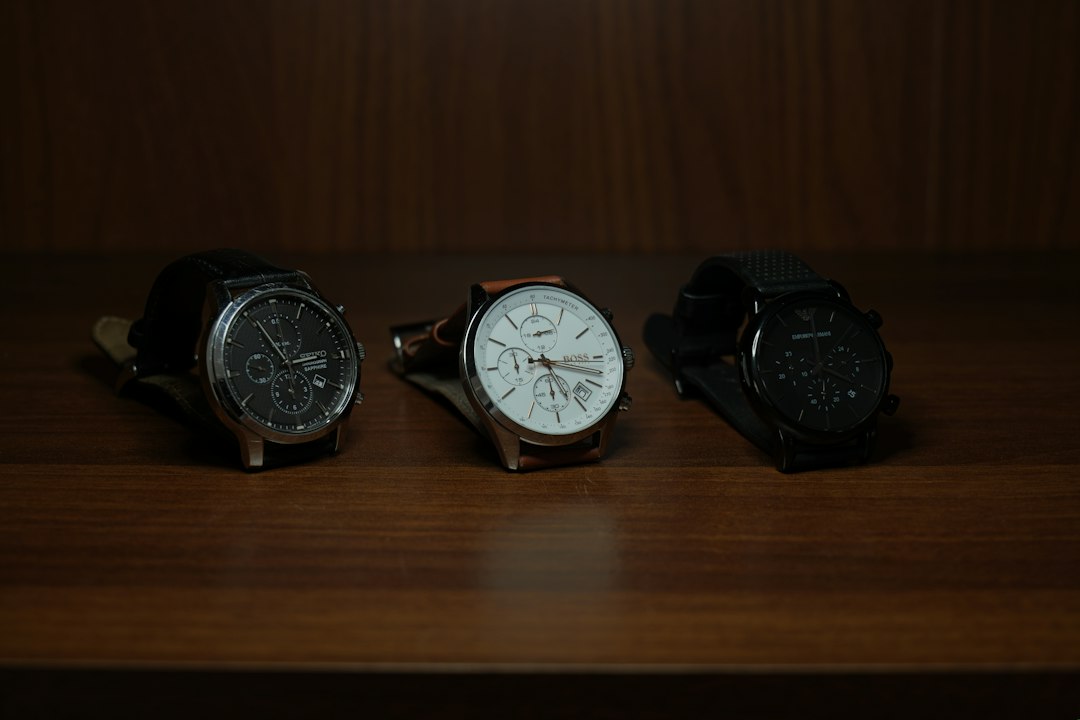
What to prioritize: readable dial, moderate size (38–42mm common), durable strap options, and a finish that hides small scuffs (brushed steel). Field watches and simple three-hand designs excel here. Choose a replaceable strap system so you can swap leather for nylon or bracelet depending on outfit.
Sports and dive watches: built for activity
What to prioritize: robust water resistance (100–300m for dive use), rotating bezel only if you’ll time dives, luminous markers, and a secure strap or bracelet. These will be thicker and often larger; accept that they’ll look casual with dress clothes. For mixed use, a slimmer sports watch or titanium case offers durability without excessive bulk.
Smartwatches: features above tradition
What to prioritize: battery life and the sensors you need (heart rate, GPS), notification support, and interchangeable bands. Smartwatches win if you want health tracking, quick replies, and many dial faces to match outfits—use cases where function outweighs classic watch aesthetics.
Fit matters: sizing by wrist, not by trend
Measure your wrist circumference and use these quick rules:
- Wrist under 6.5" (16.5 cm): 34–38mm cases usually fit best; watch lug-to-lug should be under wrist width.
- Wrist 6.5–7.5" (16.5–19 cm): 38–42mm is most versatile.
- Wrist over 7.5": 42–46mm can balance proportionally, but consider slim profiles to avoid visual bulk.
Also check lug-to-lug length: if it exceeds your wrist width, the watch will hang over the edge and feel oversized regardless of diameter.
Materials and straps: how they change the watch’s personality
Strap choice often defines the look more than the case:
- Leather: Classic and dressy; smooth calfskin for formal, textured croc or suede for casual. Not ideal for heavy sweating or swimming.
- Metal bracelet: Durable and versatile; brushed links are more casual than high-polish ones.
- NATO/nylon: Casual, light, and perfect for warm weather or active use.
- Rubber: Excellent for water sports and very casual looks.
- Mesh (Milanese): Elegant yet modern—works well for both dress and smart-casual styles.
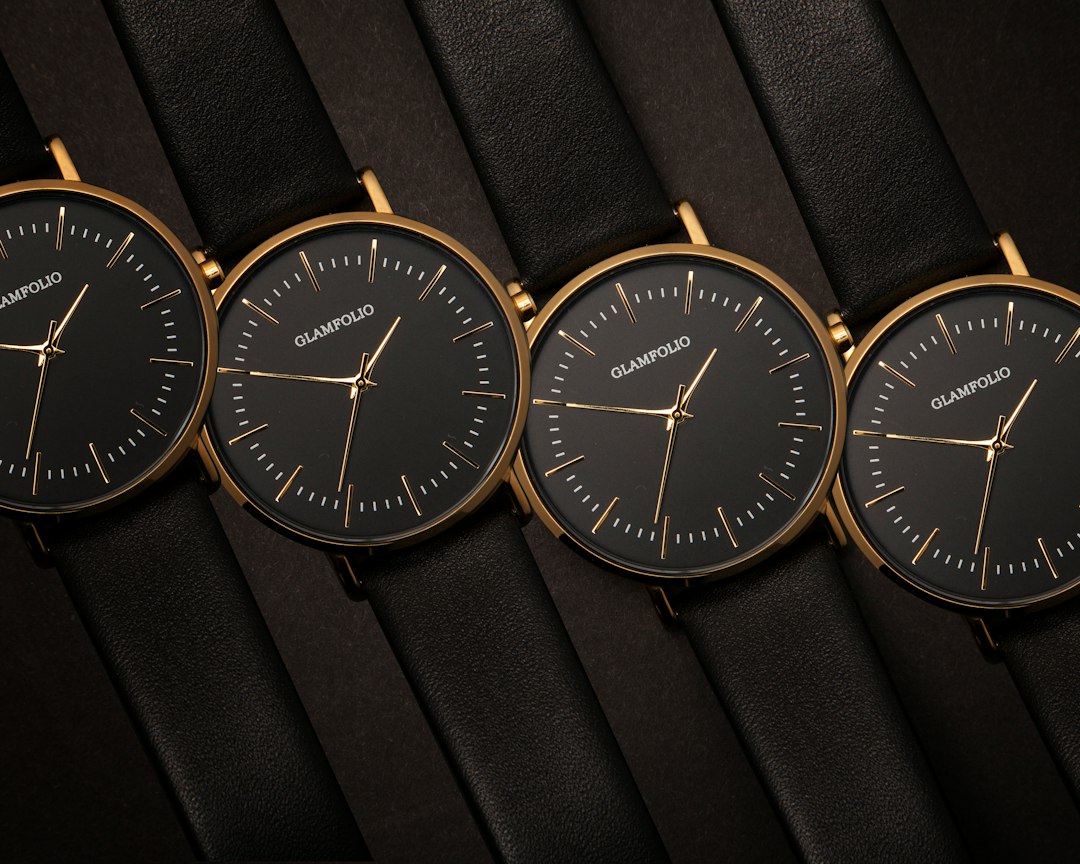
Movement and maintenance: pick what you can live with
If you prefer low fuss and accuracy, choose quartz (battery-powered). Mechanical (automatic or manual) offers heritage and sweep seconds but needs periodic servicing and can gain/lose seconds per day. Smartwatches require daily charging but bring features like GPS and activity tracking. Decide whether you value craftsmanship or convenience first.
When to choose a smartwatch vs a traditional watch
Opt for a smartwatch if health tracking, notifications and changing watch faces are central to your day; it effectively replaces several devices. Choose a traditional watch for timeless style, low maintenance, and if you want a piece that works without updates and charging. Hybrid watches bridge the gap—analog faces with some smart features—if you want both aesthetics and light connectivity.
Practical product picks from LuxByLuxi (what to consider now)
If you're leaning toward a connected everyday watch that still looks good, the store's top-ranked smart watch (Rank #1) balances style and customization with many dial options—good for people who want one watch for work and workouts. For a sport-focused choice, the Rank #4 or #7 models emphasize health tracking and activity modes. If you need a classic analog strap option, consider the Rank #8 Timex-style dress watch for a slimmer, formal look.
Styling rules and pairing: make your watch fit outfits, not fight them
Keep a few simple matches in mind:
- Formal events: thin case, leather strap matching shoe/belt tone, minimal complications.
- Business casual: metal bracelet or leather; medium dial size and modest complications like date window.
- Casual/weekend: NATO, rubber or textured leather; playful dials and larger sizes are fine.
- Active/outdoor: rubber or metal, higher water resistance, and secure clasp.
Mixing metals is acceptable in modern styling—just maintain balance (e.g., a steel watch with gold-toned cufflinks can work if repeated elsewhere in the outfit).
Budget and value: where to spend and where to save
Spend more on what you want to keep for years: case material, movement quality, bracelet comfort. Save on features you’ll rarely use—avoid high-end complications if you just want timekeeping. For most people, a well-made quartz or mid-range mechanical from a trusted brand gives the best long-term value; smartwatches depreciate faster but deliver functionality.
Quick buying checklist before you click “buy”
Confirm these practical points:
- Does the case diameter and lug-to-lug suit your wrist?
- Is the water resistance rating aligned with your activities?
- Can you change the strap if you want more versatility?
- What are warranty and return policies in case fit or finish isn’t right?
- Identify the watch’s primary use (dress, everyday, sport, smartwatch).
- Measure wrist and compare to case diameter and lug-to-lug length.
- Confirm strap compatibility and ease of changing bands.
- Check water resistance and durability for your activities.
- Decide on movement type: quartz, mechanical, or smartwatch.
Choose by how you’ll use the watch first, then match size, strap and material to your wrist and wardrobe. If you need one versatile piece, favor moderate size, a neutral finish and an interchangeable strap system.
How do I know what watch diameter fits my wrist?
Measure your wrist circumference and aim for case diameters roughly 34–38mm for smaller wrists, 38–42mm for medium, and 42–46mm for larger wrists, while also checking lug-to-lug length so the watch doesn’t overhang.
Is a metal bracelet more versatile than leather?
Yes—metal bracelets dress up or down and tolerate moisture better; leather is dressier but less robust for active use.
Should I buy a smartwatch or a traditional watch?
Buy a smartwatch if you need notifications, fitness tracking and customization; choose a traditional watch for longevity, low maintenance, and classic style.
How much should I spend on my first ‘nice’ watch?
Quality can be found across price ranges—prioritize a reliable movement and comfortable strap; many buyers find good long-term value in mid-range watches rather than the cheapest options.
Can I wear a dive watch with a suit?
Technically yes, but a bulky dive watch may look informal next to tailored clothing; choose a slimmer, dressier model if you want a truly formal look.