 Wishlist


Most people assume one tool fits all—why that’s misleading
When shoppers ask for the best hair tool, they often mean the most powerful device. The reality: the best hair styling tools match your hair’s thickness, texture and tolerance for heat. Choosing by feature—material, maximum temperature, barrel or plate size, and brush type—matters far more than brand blurbs or color options.
Start with what actually matters: hair type and styling goals
Before you pick a dryer, iron or brush, answer two quick questions: what is your natural hair (fine, medium, thick; straight, wavy, curly, coily), and what style do you want regularly (sleek straight, soft waves, defined curls, volume at the roots)? Your answers determine safe heat ranges, the tool sizes you need, and whether payload features like ionic tech or adjustable temperature are worth the price.
Heat tolerance and hair condition
Damaged, colored or very fine hair needs the lowest heat. Thick, coarse or resistant hair typically requires higher sustained heat to change shape. If your hair is porous or chemically treated, prioritize adjustable temperature and use lower settings with multiple passes rather than one very hot pass.
Key tool characteristics and how to choose them
Here are the specific tool features that change results, organized by use case.
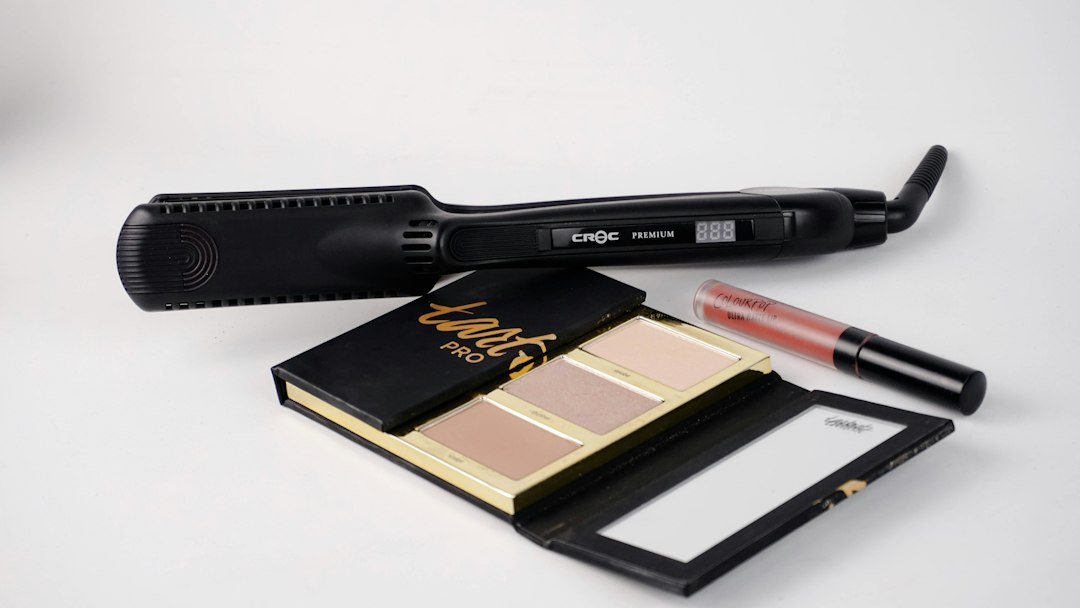
Flat irons (straightening and smoothing)
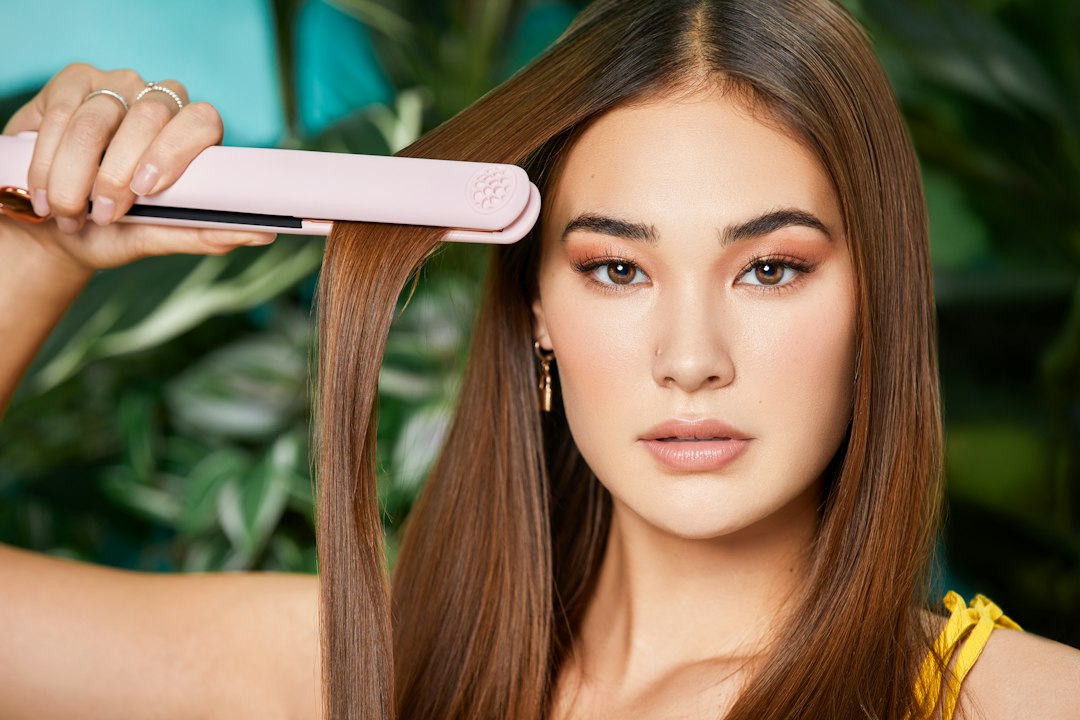
- Plate material: Ceramic heats evenly and is gentle—best for fine to medium hair. Titanium heats faster and holds higher temps—better for thick or coarse hair that needs higher heat.
- Plate width: 1" plates are versatile for most people; 1.5–2" for long or thick hair to cover more surface; ¾" or less for very short hair or precision styling and curls.
- Temperature control: Fine or damaged hair—250–300°F; medium hair—300–365°F; coarse or very curly hair—365–450°F. Choose a tool that lists actual temps and has incremental settings.
Curling wands and irons (waves vs defined curls)
- Barrel size determines curl type: ¾–1" for tight curls, 1–1.25" for classic curls, 1.25–2" for loose beach waves. Conical wands create varied curls; uniform barrels give consistent ringlets.
- Material and heat: Ceramic or tourmaline for smoother results and less frizz. Use lower temps for fine hair; higher temps for thick or resistant strands.
- Clip vs clipless: Clips help beginners. Clipless wands produce a cleaner, more modern wave but require care to avoid burns.
Blow dryers and brushes (daily drying and shaping)
- Wattage and motor: Higher wattage and a brushless motor dry faster—useful for thick hair. Travel dryers are fine for occasional use but slower.
- Ionic vs non-ionic: Ionic dryers reduce frizz and speed drying for medium to thick hair; the benefit is smaller for already smooth, low-frizz hair.
- Nozzle and heat settings: A narrow concentrator for precise smoothing; a diffuser for curly/coily hair to preserve pattern without disrupting definition.
- Brush selection: Padded paddle brushes for detangling wet straight hair; round thermal brushes (ceramic) for adding volume and shape during blowouts; vent brushes for quick smoothing and speed.
Brushes, combs and finishing tools
- Fine-tooth combs and rat-tail combs are essential for sectioning and smoothing—important for precision with straighteners or updos.
- Wide-tooth combs detangle wet curly or coily hair without breakage.
- Boar or mixed boar/nylon bristle brushes distribute oils and polish the cuticle, ideal for fine-to-medium straight hair for shine.
When certain features are more or less important
Decide which trade-offs make sense for your routine and priorities.
- If you prioritize speed: choose a high-watt ionic dryer and wider plates for flat irons. You’ll spend less time but should use heat protectant to limit damage.
- If you prioritize hair health: choose ceramic/tourmaline surfaces, lower max temps with precise controls, and invest in a boar-mixed brush for gentle smoothing.
- If you travel frequently: a compact dryer or 1" straightener is easier to pack; accept slower drying or styling in exchange for portability.
- If you want versatility: look for tools with interchangeable barrels or dual-voltage settings so one tool can do multiple looks and travel needs.
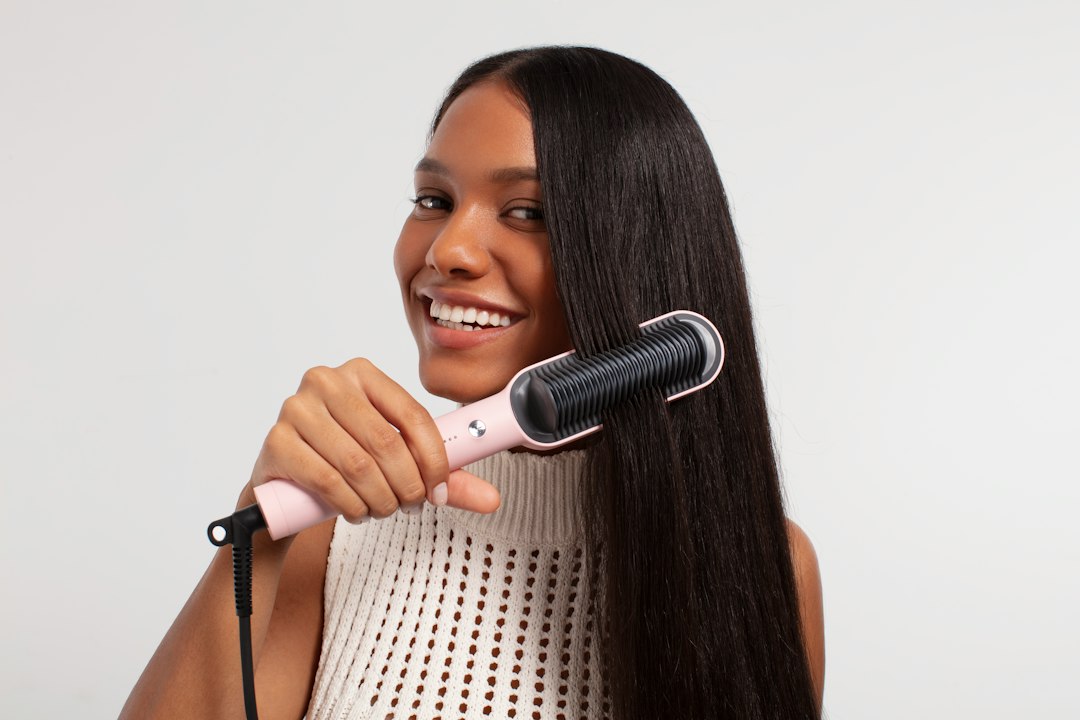
Practical product recommendation for a common need
If you’re building a starter pair of tools for most styling routines—blow-drying for shape plus an iron for finishing—pick devices that prioritize adjustable heat and gentle materials.
Why this fits: choose a quality volume shampoo/conditioner pair first (helps styling hold and reduces repeated heat needs), then pair with a mid-size ceramic iron and an ionic dryer. Healthy, clean hair responds to lower heat and styles faster.
Maintenance and safe usage habits that extend tool life and protect hair
- Clean plates and barrels after they cool—product buildup raises localized heat and can snag hair.
- Replace brushes when bristles are splayed; broken bristles and rough edges cause breakage.
- Use a heat protectant every time. It’s the single most effective step to prevent cumulative damage when you use hot tools often.
- Work in sections and avoid holding heat in one spot—multiple gentle passes are safer than one scorching pass.
Quick troubleshooting: common problems and fixes
- Tool pulls hair: plate edges might be chipped or brush bristles broken—clean and inspect; replace if damaged.
- Curls fall out quickly: barrel size may be too large or you’re not using a holding product; try a smaller barrel or light hairspray and allow curls to cool before combing.
- Frizz after drying: switch to ionic or tourmaline tools, or finish with a cool blast to close the cuticle.
Further reading and related guides
For broader grooming and tool planning, see our overview of essential beauty tools and choosing the right ones: Essential Beauty Tools and How to Choose the Right Ones.
- Identify your natural hair type and common styling goal (straight, waves, volume, defined curls).
- Choose material (ceramic/tourmaline vs titanium) based on heat tolerance and hair thickness.
- Confirm adjustable temperature with a safe low-end setting for your hair.
- Pick plate or barrel size that matches length and desired curl/wave size.
- Check for essential accessories: concentrator/diffuser, heat mat, and travel lock.
- Plan for a heat protectant and a compatible shampoo/conditioner to reduce repeated heat styling.
Focus on matching tool specs—material, temperature range and size—to your hair’s texture and the styles you actually wear. Start with adjustable, gentler materials (ceramic/tourmaline), prioritize a good dryer and one versatile iron or wand, and protect hair with products and proper technique.
How hot should my styling tools get for my hair?
Fine or damaged hair: 250–300°F. Medium hair: 300–365°F. Thick/coarse or very curly hair: 365–450°F. Use the lowest effective temperature and multiple gentle passes rather than one very hot pass.
Is ceramic better than titanium for straighteners?
Ceramic heats evenly and is better for fine to medium hair; titanium heats faster and stays hotter, which helps when you need higher heat for coarse or resistant hair.
Do I need an ionic dryer?
Ionic dryers reduce drying time and frizz, especially helpful for thick or frizz-prone hair; they’re less crucial if your hair is already smooth and low-frizz.
What brush should I use with a blow dryer for volume?
A ceramic round thermal brush sized about 1.5" to 2" creates lift at the root and smooth curves on medium to long hair; smaller barrels add tighter shape for shorter hair.
How often should I replace hot tools?
With normal use and good care, tools can last several years; replace sooner if plates or barrels chip, motors weaken, or internal smells or smoke appear—these signal safety or performance issues.