
 Wishlist


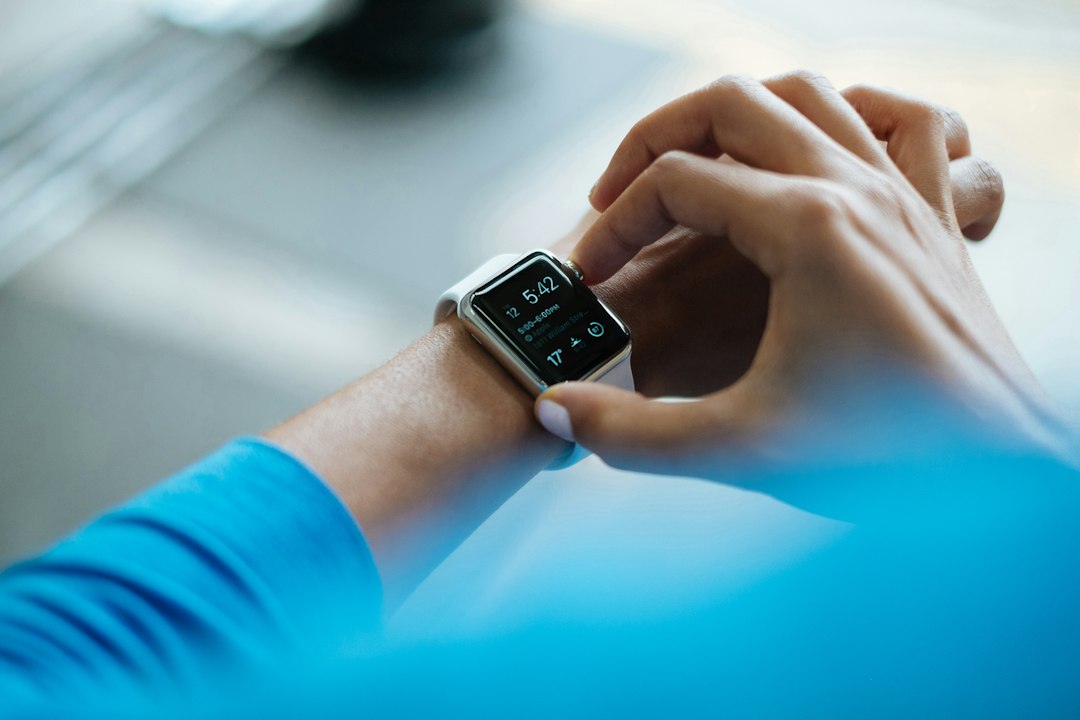
Buying a smartwatch: what actually matters
Many people assume the newest model or the flashiest app list is the most important factor when buying a smartwatch. In reality, the single best predictor of satisfaction is whether the watch matches how you plan to use it day to day: notifications, fitness tracking, battery autonomy, or simply style. Start by deciding the primary role your watch must play; everything else follows.
Match the watch to your primary use case
Think in terms of one or two core uses rather than “everything.” Here are common priorities and what matters for each.
For daily convenience and notifications
- Compatibility: The watch must integrate well with your phone’s operating system. iPhones pair best with watchOS devices; many Android phones work well with Wear OS and several proprietary systems, but some features can be limited across platforms.
- App and notification handling: Look for smooth, quick notification delivery and meaningful interaction (replying to messages, quick actions) if you rely on the watch for communication.
- Call handling and microphone quality: If you plan to take calls on the watch, check for speaker clarity and microphone performance.
For fitness and sports tracking
- Built-in GPS vs phone GPS: For accurate pace and distance during runs, a watch with built-in GPS is essential; relying on your phone gives mixed results and forces you to carry it.
- Sensor quality and the metrics you care about: Heart rate, SpO2, cadence, and advanced metrics (VO2 max, training load) vary. Serious athletes should favour devices with proven sensor accuracy and sport modes.
- Durability and swim rating: Look for at least 5 ATM water resistance for pool and shower use; specific swim-tracking features help open-water metrics.
For long battery life and travel
- Battery vs features trade-off: Longer battery life usually means fewer always-on sensors or a dimmer display. Decide whether multi-day autonomy or an active, bright AMOLED screen is more valuable.
- Charging convenience: Check how long a full charge takes and whether the charger is proprietary.
- Offline maps and navigation: For multi-day trips, a watch that stores maps and navigation without a phone is useful.
For style and everyday wear
- Case size and weight: Try different diameters; large faces can be unwieldy for small wrists and snag on clothing.
- Interchangeable bands: Standard lug widths and easy-release systems let you swap bands for dress or workout days.
- Screen quality and always-on display: A bright AMOLED gives the “watch” look; transflective displays are legible in sunlight and save battery.
Key technical features to evaluate
After you’ve picked the primary use case, compare these technical details directly—trends in each will tell you what you’re trading off.
Display type and readability
AMOLED gives richer colors and deep blacks and typically looks premium; however, it uses more power when always-on. Transflective LCDs (or similar) are exceptional outdoors and very power-efficient for multi-day battery life.
Sensors and accuracy
Heart-rate sensors are standard, but accuracy differs across brands and models. If health data matters, look for watches with validated studies or positive third-party accuracy reviews for the metric you care about.
Connectivity and ecosystem
Bluetooth is standard; LTE or eSIM models enable phone-free calls and streaming but shorten battery life. The wider the developer ecosystem (apps, watch faces), the more long-term value you'll get.
Water resistance and build
Check IP and ATM ratings. IP68 covers dust and immersion; 5 ATM means safe for swimming. Rugged cases and sapphire glass are worth considering for outdoor users.
Battery life: realistic expectations and examples
Battery figures in marketing are often optimistic. Practical ranges:
- 1–2 days: feature-rich AMOLED watches with many sensors and LTE active.
- 3–7 days: hybrid or power-optimized smartwatches and some newer efficient AMOLED models.
- 10+ days: simplified displays or less frequent GPS use—common with fitness-first watches in power-save modes.
Decide whether you prefer daily charging (like a phone) or letting the watch run for a week—this choice narrows your options faster than any spec sheet.
Software updates, warranty and long-term support
A watch is a platform; software updates add features and security patches. Prioritize brands known for multi-year updates and clear warranty/support policies, especially if you plan to keep the watch beyond one model cycle.
When to choose a premium multisport watch vs a mainstream smartwatch
Choose a multisport GPS watch if you want best-in-class training tools, robust battery life in GPS mode, and outdoor durability. Choose a mainstream smartwatch if you want richer third-party apps, better smartwatch UX, and smoother phone integration. There’s overlap—some devices bridge both categories, but they usually command a price premium.
Practical product recommendation for common needs
If you want a strong everyday watch with good health and activity tracking plus a bright AMOLED display, consider the top-ranked store option that balances these needs.
How to test a candidate watch before buying
- Try it on for at least 5–10 minutes—notice weight, button reach, and strap comfort.
- Check pairing setup with your phone in the store or from a nearby review—some features require a companion app.
- Inspect screen brightness at different angles and in strong light.
- Ask about return windows and warranty length.
Price tiers and what to expect
Entry-level watches give notifications and basic fitness tracking; mid-range models add GPS, better sensors and longer support; flagship devices add premium materials, advanced health metrics, and multisport features. Buying up is worthwhile when a single spec (GPS accuracy, battery life, or durability) is mission-critical.
Final decision checklist
When you’re down to two or three models, compare them against your top uses, battery behavior in real-life scenarios (GPS sessions if you run), and warranty/support options. Don’t let a compelling color or strap choice override functional mismatches.
- Which single role will I use the watch for most (notifications, running, sleep tracking)?
- Is the watch fully compatible with my phone’s OS and apps?
- Does it have built-in GPS and the sensors you need for accuracy?
- Can you live with the expected battery life given your usage patterns?
- Is the case size, weight and band comfortable for all-day wear?
- What is the return policy and length of software support/warranty?
Focus first on the single role your smartwatch must fill—this clarifies which specs truly matter. Balance display and features against realistic battery expectations, verify phone compatibility, and pick a model with proven sensor accuracy for the metrics you care about.
Do I need a smartwatch with built-in GPS?
If you regularly run, cycle, or hike without your phone, built-in GPS is important for accurate distance and pace; otherwise phone GPS can suffice for casual activity tracking.
How long should smartwatch battery life be?
Choose based on your habits: 1–2 days is fine if you charge nightly and want a bright AMOLED; 3+ days is preferable if you dislike daily charging or want reliable tracking during trips.
Will a smartwatch work with any phone?
Most smartwatches pair with both iOS and Android, but feature parity varies—check the manufacturer’s compatibility list for full functionality before buying.
Are health metrics accurate enough to rely on?
Basic metrics like steps and heart rate are useful trends but not medical-grade; for clinical decisions, consult a healthcare professional and seek devices validated by studies for the metric you need.
What water resistance rating is needed for swimming?
Look for 5 ATM or specific swim-tracking capability; IP ratings describe dust/water protection but not swim suitability.