 Wishlist


Most people fixate on style; what actually matters is fit — for your trip and the airline
When you search for how to choose luggage you’ll quickly see shiny designs and large photo spreads, but the practical choice comes down to matching luggage to how you travel: trip length, carrier rules, handling needs and how you pack. Choose luggage that reduces friction (fees, dragging through cobblestones, last-minute repacking), not just something that looks good on a carousel.
Decide by trip type first — the simplest, most impactful filter
Start by answering two quick questions: How long is the trip and will you check bags? These answers determine size, weight and organization needs more than brand names.
- Short business trips (1–3 days): A reliable 20–22" carry-on or a dedicated wheeled garment bag if you need wrinkle-free suits.
- Weeklong vacations (4–7 days): A 24–26" checked bag or a roomy 20–22" carry-on used efficiently with packing cubes.
- Long trips or family travel (8+ days): A 26–30" checked suitcase or multiple-piece sets so you can separate family gear or return with souvenirs.
- Multi-destination travel with trains/taxis: Favor lighter, maneuverable luggage with spinner wheels and protective corners over the largest possible size.
Match size to airline limits and weight allowances
Airline carry-on and checked-size rules vary; always check the carrier before you buy. Many travelers underestimate that a nominal "carry-on" can be overweight when packed. Lighter suitcases leave room for packed items under weight limits; heavier, hard-shell suitcases can push you into fees on the scale.

Hard shell vs soft shell: trade-offs you should weigh
Both work — pick by priorities:
- Hard shell: Better impact protection for fragile items and generally water-resistant. They can be heavier and scuff visibly; repairs are harder. Good for checked bags or if you pack electronics or glass souvenirs.
- Soft shell: More flexible, often lighter and offer exterior pockets for last-minute items. They can compress into tighter spaces and are easier to squeeze into overhead bins but offer less protection from crushing or moisture.
Wheels and handles: mobility makes the trip less tiring
Wheels determine how effortless your transit will feel.
- 4-spinner wheels glide in any direction and are best for smooth airport floors and city sidewalks; they shift weight off your arm and are ergonomic for rolling beside you.
- 2-wheel designs are often more stable on rough surfaces and roll better over curbs and cobblestones but require tilting.
- Choose a telescoping handle with multiple height stops and reinforced connection points; loose handles shorten usable life.
Construction and materials: durability beyond the photo
Look for reinforced seams, durable zippers and solid wheel housings. Common materials:
- Polycarbonate: lightweight and impact-resistant—good for hardshells.
- ABS: budget-friendly but more prone to scratches and cracking.
- Ballistic nylon/polyester blends: durable for softside luggage; check denier ratings and water resistance coatings.
Organization and packing features that save time
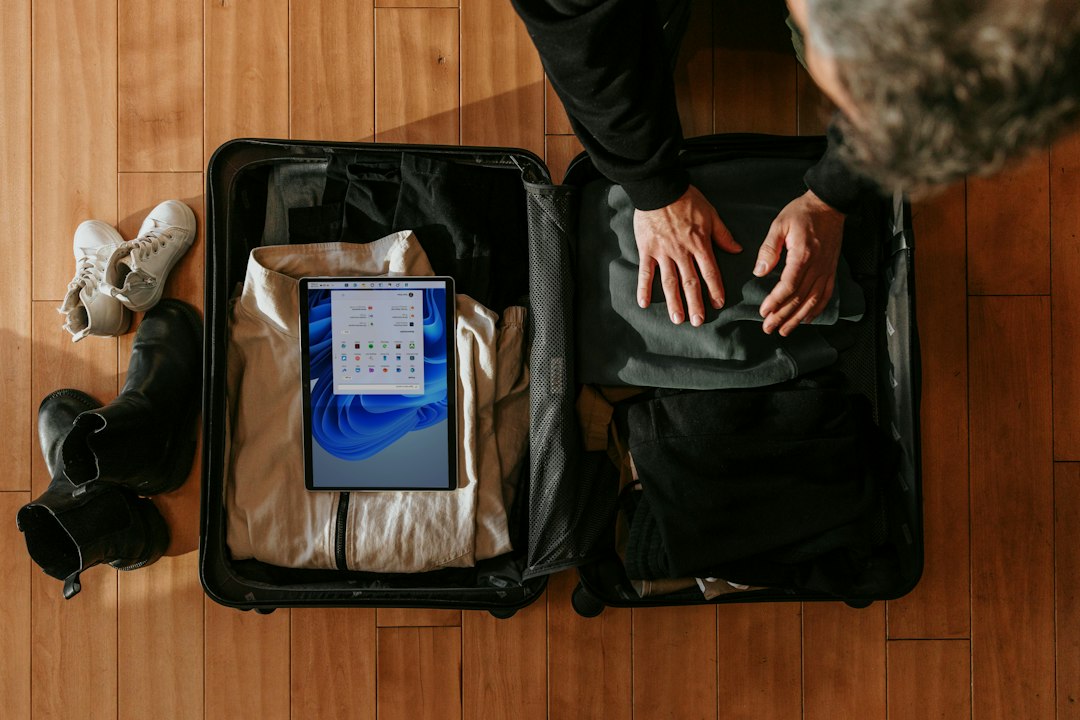
Ask what you need to access mid-trip. Interior dividers, compression straps and exterior pockets can eliminate digging at security or during a layover. Packing cubes are the most powerful small upgrade: they compress clothing, keep outfits separated and make airport unpacking faster.
Security and maintenance — small choices that prevent big hassles
Prefer TSA-approved locks integrated into zippers or hard-shell mechanisms for smoother security checks. Removable dirty-laundry bags, repair kits, and replaceable wheels or spinner housings extend usable life. If you travel internationally, a luggage tag with a privacy flap keeps contact info accessible without exposing your address.
When a set makes sense — families, occasional long trips, or gifting
Buying a set can be economical and consistent for family travel or storage. Sets give size coverage (carry-on through large checked), matching handles and wheel systems which simplifies packing and replacement. If you rarely travel, a mid-range 2-piece set is a practical compromise.
Product recommendations that fit common needs
Below are solid store-matched options chosen for typical travel patterns. Pick by the use case already identified above.
Best for travelers who want a complete size range and value: the 7-piece luggage set provides a carry-on that meets airline limits plus larger checked pieces for longer trips.
Best for smooth mobility on frequent trips: a 3-piece set with 360° spinner wheels—light and easy to maneuver between gates and city streets.
How to test luggage before you buy (in store or mentally online)
If you can inspect in person:
- Pull the handle at full extension and walk a few steps to feel stability.
- Turn the case sharply to test wheel noise and wobble.
- Open interior and test zipper smoothness and pocket placement.
- Pick up by the carry handle and lift once as it would be into an overhead bin—note balance and weight.
If buying online, check return policy, warranty length and customer photos for real wear patterns.
Common mistakes to avoid
- Buying the largest available “just in case” without checking common airline limits.
- Overlooking wheel quality; cheap wheels fail long before shells do.
- Choosing a very light bag that sacrifices structural protection for weight savings when you usually check bags.
- Ignoring interior organization when you frequently change hotels or pack for multi-city trips.
Where to store and how long luggage should last
With normal use, a well-built suitcase should last several years. Store in a cool, dry place; don’t compress soft-side bags for long-term storage to avoid deformation. Replace wheels or handles as needed—these are common, inexpensive repairs that can extend life by years.
- Confirm your primary airline’s carry-on and checked size limits.
- Choose shell type based on what you typically pack (fragile vs flexible items).
- Test or verify wheel type and handle stability for your typical terrain.
- Prefer a model with easy interior organization or plan to buy packing cubes.
- Check warranty and return policy before purchasing.
Choose luggage by the travel you actually do: size and weight for airline rules, wheels for mobility, shell and construction for protection, and interior organization for stress-free packing. A mid-range set or two-piece combination often covers most needs without overpaying for features you won’t use.
Is a hard shell always better for checked luggage?
Not always; hard shells protect fragile items and resist water, but heavier models and cracked shells are downsides. Choose hard shell if you prioritize protection; soft shell if you value weight savings and exterior pockets.
Can I use a carry-on for a week-long trip?
Yes, with efficient packing and packing cubes a 20–22" carry-on can cover many 4–7 day trips, especially if you re-wear items or use laundry services.
Are spinner wheels worth it?
Spinner wheels greatly reduce arm strain in airports and smooth surfaces; they can be less stable on uneven streets, where two-wheel designs roll better. Choose based on your main travel environments.
How much should I spend on durable luggage?
Durability often rises with price, but mid-range options with reinforced corners, solid zippers and good wheels offer the best cost-to-life balance for most travelers.