
 Wishlist


Start with how and where you’ll actually listen
When buying headphones, the single most practical question is not brand or price but use case: commuting, working from home, studio mixing, gaming, or casual home listening. Pick the listening scenario first because it drives nearly every other decision—style, noise control, battery life, and microphone needs.
Match headphone style to your routine
Headphone form factor affects comfort, isolation and portability.
- Over-ear (circumaural): Best for at-home listening, long sessions, and noise control. They sit around the ear and typically offer fuller sound and larger drivers. Expect varying bulk and better passive isolation from closed-back designs.
- On-ear (supra-aural): Smaller and more portable than over-ear but can press on ears during long use and leak more sound. Good for short commutes or office work if you prefer lighter weight.
- In-ear (earbuds/earphones): Highly portable and often better for active use. Noise isolation depends on tip seal—memory-foam tips usually block more outside sound than silicone.
Decide whether you need active noise cancellation (ANC)
ANC reduces constant background noise—planes, trains, HVAC—by cancelling low-frequency sounds. It helps listening clarity at lower volumes and is valuable for commuter and travel use. However, ANC adds cost, weight and battery consumption; it also creates a slight processing coloration in some models. For quiet home or studio work you might prefer passive isolation or no ANC at all.
Wired or wireless? Battery and latency considerations
Wireless convenience is dominant: Bluetooth removes cables for commuting, exercising and casual use. But there are trade-offs:
- Bluetooth: Look for Bluetooth codec support if sound quality matters—aptX, aptX HD, AAC, and LDAC are higher-bandwidth options than SBC. Battery life matters: commuting users want 20+ hours; frequent travelers may prefer 30–60 hours.
- Wired: Offers lower latency and predictable sound, useful for studio work, gaming, or audiophiles using a DAC. Many wireless models include an audio cable as a fallback.
- Low latency: Gamers and video editors should prioritize low-latency modes or wired connections to avoid lip-sync issues.
Sound signature and what you listen to
There is no objectively “best” sound—there are signatures that fit your music or content. Know your preference:
- Neutral/flat: Preferred for mixing and critical listening; reveals detail across the range but can sound less exciting for pop/hip-hop.
- V-shaped (bass and treble boosted): Makes modern pop and electronic tracks punchy and fun but can obscure mids and vocals.
- Bassy: Good for bass-heavy genres or casual listening; avoid if you want vocal clarity or accurate instrumentation.
Read measured frequency response graphs when available, or try different styles in-store. If you stream, check device EQ options; a small EQ tweak can often tailor a mid-range model to your tastes.
Comfort, fit and build for long use
Comfort is often the deciding factor over weeks of use. Look for:
- Weight distribution and headband padding—heavier cans can fatigue if the pressure concentrates on a small area.
- Earcup material—vented foam breathes better, leatherette insulates heat.
- Clamp force—too loose and they slip; too tight and they hurt after an hour. Try with glasses if you wear them.
- For in-ears, multiple tip sizes and a good seal are essential for both comfort and bass response.
Microphone and call quality if you use them for meetings
If you’ll take calls or attend remote meetings, prioritize models with clear voice pickup and effective wind/noise reduction. On-ear and over-ear headsets with a boom mic usually outperform small built-in mics for speech clarity; however, many modern earbuds have decent call performance with multiple mics and beamforming technology.

Durability, warranty and travel-ready features
Inspect hinges, cable reinforcement and materials. For travel, a hard case and foldable design protect your investment. Water and sweat resistance ratings (IPX ratings) matter for workout headphones. Check the warranty and customer service reputation if you use gear daily.
Impedance and source compatibility
Impedance affects how loudly headphones play from a device. Low-impedance headphones (under ~50 ohms) match phones and tablets well. Higher impedance models may need a dedicated amplifier or a phone with a strong headphone amp to reach optimal volume and dynamics. If you plan to use a portable source only, prioritize low-to-moderate impedance.
When extra features matter: multipoint, app control and EQ
Decide which convenience features you’ll actually use:
- Multipoint pairing: Seamless switching between phone and laptop is useful for remote workers.
- On-device controls: Physical buttons or touch controls should be precise and not trigger accidentally.
- Companion apps: Allow firmware updates, EQ presets and ANC tuning—handy but not essential unless you want deep customization.
How to audition headphones efficiently
Bring familiar tracks and listen for clarity in vocals, bass control (not just quantity), and instrument separation. For ANC, test in a noisy environment; for calls, request a mic test. Evaluate comfort for at least 10–15 minutes if possible.
Product recommendation for common needs
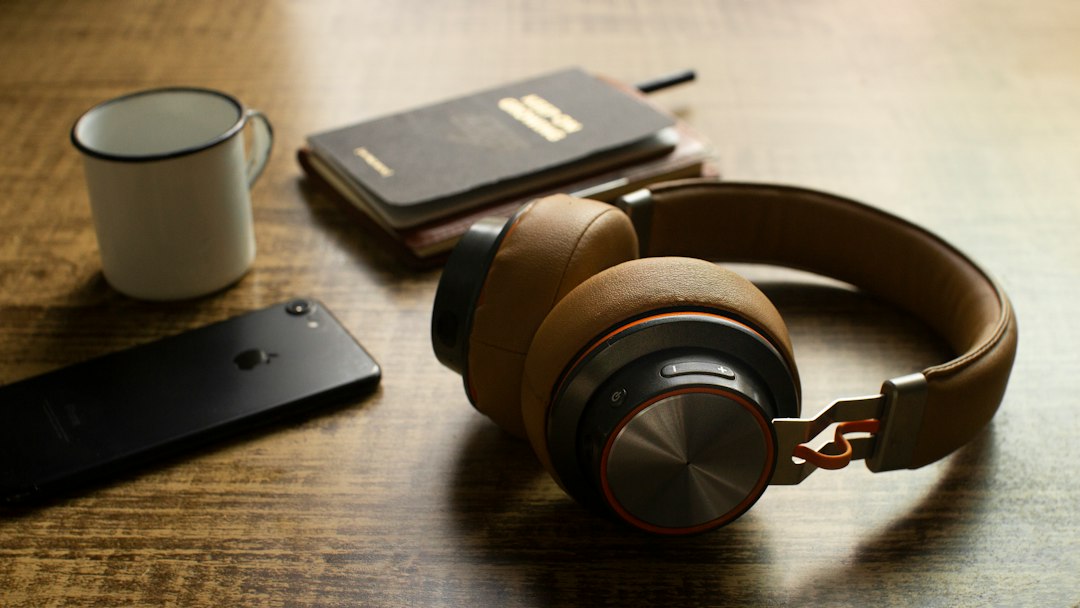
For long battery life and general-purpose wireless listening—commuting, home, long sessions—the following model balances runtime and everyday features.
Quick checklist before you buy
- Confirm primary use (commute, studio, gaming, workouts).
- Decide wired vs Bluetooth and check supported Bluetooth codecs.
- Test comfort with your typical wearing time and any glasses.
- Check ANC effectiveness and battery life under real conditions.
- Verify mic quality if you make calls or stream.
- Inspect case, foldability and IP rating for travel or exercise.
Choose the headphone style that fits your daily listening context first; then refine around ANC, wired vs wireless, sound signature, comfort and mic needs. A well-matched pair will deliver more satisfaction than the most expensive model that doesn’t fit how you listen.
Do active noise cancelling headphones improve audio quality?
ANC reduces background noise, which can make music clearer at lower volumes, but it doesn’t change the underlying sound signature and may slightly alter tonal balance.
Are wireless headphones worse for sound than wired?
Bluetooth can compress audio, but modern codecs (aptX, AAC, LDAC) and higher-end models can deliver excellent quality; wired still offers the most consistent, lowest-latency connection.
How important is impedance?
Impedance matters mainly if you plan to drive headphones from weak sources; low-impedance models suit phones, while high-impedance models may benefit from an amp.
What’s the best way to test headphones in-store?
Bring a few familiar tracks, wear them for at least 10–15 minutes, test ANC in a noisy area and, if possible, try a call or voice recording test to check mic quality.
Should I prioritize brand or features?
Prioritize the features that match your use case—fit, ANC, battery, mic—over brand alone; many lesser-known models offer excellent value.