 Wishlist


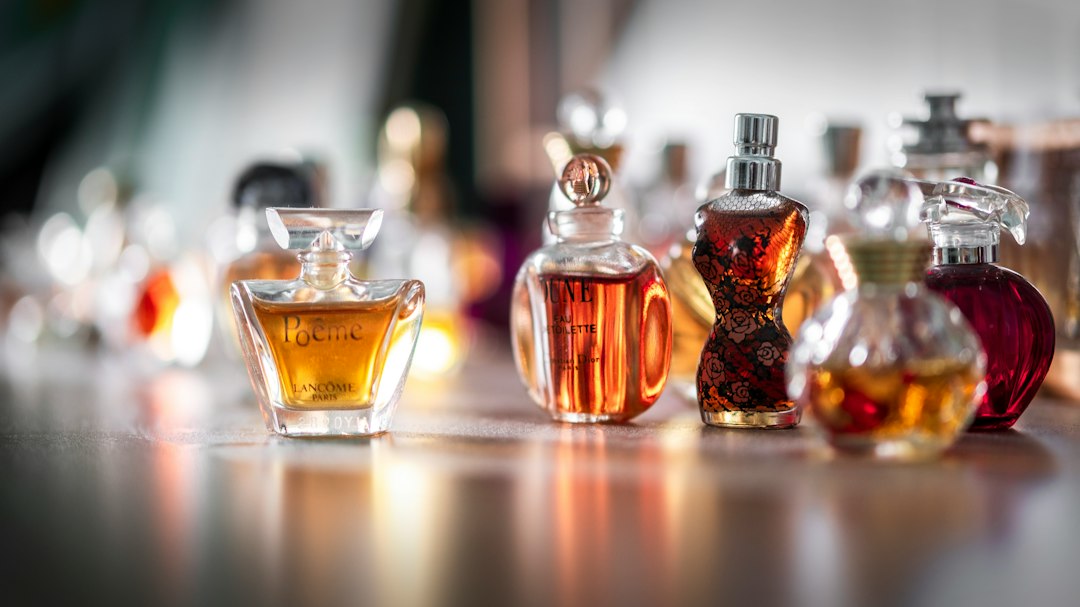
Start with the result you want: the feeling and setting
When you pick the right fragrance, you’re choosing an atmosphere as much as a scent: a professional polish for work, an intimate warmth for date night, or a breezy freshness for daytime errands. Decide first whether you want your fragrance to be noticed (evening, close-contact moments) or to be an unobtrusive complement (office, crowded travel). That choice narrows the sensible scent families, concentrations and application methods immediately.
Match scent families to common occasions
The easiest practical filter is scent family. Below are simple pairings that work for most people.
- Work / professional settings: Light florals, citrus, green or soft musks. These feel clean and unobtrusive and have moderate longevity.
- Daytime social / errands: Fresh aquatics, citrus, or light fruity florals—easy, bright, and low sillage.
- Casual weekend / daytime date: Gourmands (light vanilla, caramel) or warm florals—friendly and approachable.
- Evening / formal events: Oriental, woody, and richer floral blends—these have stronger projection and longevity.
- Cold weather: Spicier, resinous, or gourmand scents—comforting and long-lasting.
- Hot weather: Citruses, light aquatics, and transparent musks—keep scents crisp and non-cloying.
Choose concentration and application to fit the occasion
Fragrance concentration affects strength and wear. Eau de toilette and eau de cologne are lighter; eau de parfum and parfum are stronger and longer-lasting. For a restrained office scent, opt for lighter concentrations or use a single spritz; for a night out, choose parfum or multiple sprays to pulse points.
How to test perfumes properly
Testing is where many people go wrong. Follow this order for reliable results:
- Sample one to three fragrances per session; your nose tires quickly.
- Use tester strips first, then try on skin for at least 20–30 minutes—top notes evaporate quickly and won’t show the heart and base.
- Test on clean, unscented skin (no lotion or body spray) and avoid rubbing wrists together; that distorts the development.
- Smell something neutral between tests—coffee beans are overrated; a quick sniff of your sleeve or a short walk outside works.
Consider longevity and sillage for the situation
If you’re going to a long meeting or travel day and can’t reapply, prioritize longevity—choose eau de parfum or parfum in a warmer, resinous family. If you’ll be close to people for brief encounters (dinner, a date), moderate sillage is desirable so the scent is perceptible without overwhelming others.
Use mini sets and layering to explore and adapt
A practical way to build occasion-specific options is a mini perfume set. Miniatures let you test wear and reaction over multiple days without committing to a full bottle. They’re also travel-friendly for quick switches between daytime and evening looks.
Product recommendation based on usefulness: if you want to sample several profiles without buying full bottles, try the Essential 4 PC Mini Perfume Set.
[h3]Layering for custom results[/h3]Layering can be tactical: combine a clean citrus body wash with a subtle floral spritz for daytime, then add a warm woody or vanilla touch for evening depth. Test combinations sparingly so you can learn what each fragrance contributes.
Troubleshooting: when a scent doesn't work
Common problems and fixes:
- It smells different on you than in the store: Body chemistry, diet and ambient temperature affect development. Give samples a few wears before deciding.
- It fades too fast: Try a higher concentration, apply to pulse points and slightly moisturized skin, or choose richer base notes.
- People react negatively: Reduce application, switch to lighter families, or reserve stronger scents for after-work events.
- Too similar to what you already own: Use accords and notes lists on labels to find a distinctive top/heart/base that differs from your staple.
Practical regimen: simple rules to follow when choosing
Make a short decision script to use whenever you shop or sample:
- Ask: where and how long will I wear this?
- Pick a scent family aligned with that setting (see pairings above).
- Test on skin for 20–30 minutes; repeat on a different day.
- Decide concentration based on required longevity and the setting’s intimacy.
When to rotate or change your signature
Rotate seasonally or when your routine changes—new job, different social life, travel. If you rely on one signature, keep lightweight and heavy versions for summer and winter, respectively, rather than a single bottle for every situation.
- Define the occasion and desired presence (noticeable vs. subtle).
- Select a scent family that suits the setting and season.
- Test on skin for at least 20–30 minutes across two days.
- Choose concentration based on how long you need the scent to last.
- Consider trying a mini set before buying full bottles.
- Adjust application—spray amount and pulse points—based on venue and company.
Effective fragrance choices begin with the context: who will be nearby, how long you’ll wear it, and what mood you want to convey. Use scent families, concentration, proper testing and mini-samples to build a small, flexible rotation for different occasions.
How many fragrances should I own for different occasions?
Three to five is a practical range: a light daytime scent, a casual weekend option, a richer evening fragrance, plus a seasonal swap and a travel-friendly mini.
Can I wear the same perfume year-round?
Yes, but consider lighter concentrations or fresher notes for warm months and deeper, warmer notes for cold months to keep the scent comfortable.
Are tester strips useful?
Tester strips are useful for initial narrowing, but always test on skin for the true development of heart and base notes.
How should I store fragrances to preserve them?
Keep bottles in a cool, dark place away from direct sunlight and temperature swings; avoid storing in bathrooms where humidity fluctuates.
What if someone nearby is sensitive to perfume?
Use lighter concentrations or choose low-sillage, clean scents and apply sparingly; consider skipping fragrance in tightly packed, enclosed spaces.