 Wishlist


You want to actually use the gear you buy—so start where failure usually begins
Picture this: a bulky machine arrives, it won't fit through the door, and after a week the newness fades into unused space. That common scenario is why buying home fitness equipment should begin with a short, honest checklist: how much room you have, how many days per week you’ll realistically train, and what movement patterns you enjoy. These three facts will determine everything that follows.
Answer the core question quickly: what to buy first
If you train less than three times per week or have very limited space, start with one versatile, low-footprint option rather than a big machine. For most people the best first purchases are:
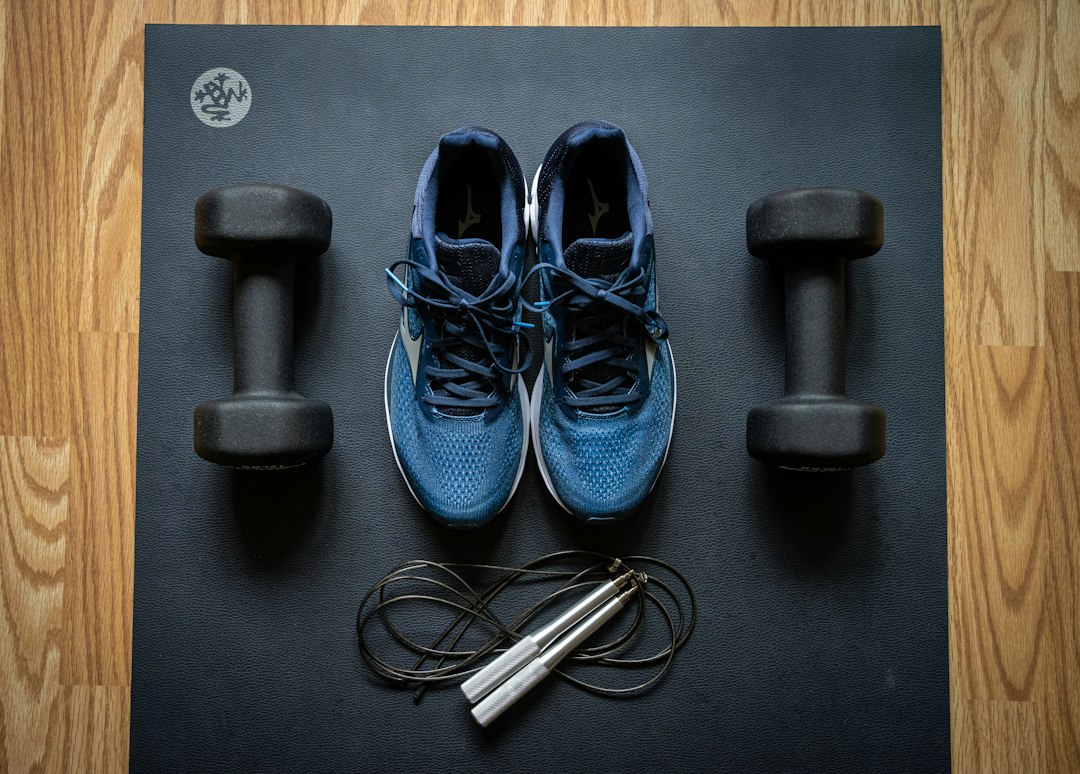
- Resistance bands (light to heavy) — portable, inexpensive and cover strength, mobility and warmups.
- A pair of adjustable dumbbells or a small set of fixed weights — simple progression for strength.
- A stable mat for floor work — essential for core, mobility and stretching.
These three items let you do strength, conditioning and recovery without committing a room to a machine. If you train more often and have space, add a compact cardio option (folding treadmill, upright bike) and a small bench.
Match equipment to your goals and typical workouts
Choosing gear is less about “best” and more about what you’ll actually use to reach your goals.
- Muscle and strength: prioritize dumbbells or a home-gym system. Adjustable dumbbells save space and are the most efficient for progressive overload.
- Fat loss and conditioning: a compact treadmill, rower or stationary bike is best. Consider interval workouts that need only 15–30 minutes.
- Mobility and pain-free movement: resistance bands, foam roller and a high-density mat are more useful than heavy machines.
- Sport-specific training (boxing, climbing): pick specialized gear that supports the sport—e.g., punching bag, hangboard—rather than general machines.
Practical space and noise checks
Measure a realistic workout footprint: not only the machine’s listed dimensions but the clearance for safe use (e.g., treadmill belt length plus 2–3 feet behind). Think about ceiling height for overhead movements and doorways for delivery. If you live in an apartment, ask about vibration and noise—rowing and impact cardio transmit sound differently than a magnetic bike.
Durability, warranty and realistic maintenance
Check the warranty on motorized parts (treadmills, bikes) and the frame/structure for non-motorized gear. Read product pages for expected maintenance: belt lubrication, battery or app updates, and replacement parts availability. For lower-maintenance options, resistance bands and dumbbells are nearly trouble-free.
Budget trade-offs and where to spend more
If your budget is limited, prioritize weight and versatility over bells and whistles:
- Spend more on solid, calibrated weights or well-made adjustable dumbbells if strength is the goal.
- Spend on a reliable cardio machine with a good motor and stable frame if you’ll use it daily.
- Save on accessories: cheap mats and bands are fine for beginners, but upgrade if wear affects performance or pain.
Smart choices for small spaces
For a studio or spare corner, prefer vertical or foldable storage, wall hooks for bands and mats, and multi-use pieces: an adjustable bench that folds, resistance towers, or a compact home-gym stack. Keep a clear rule: if a piece takes up more space than you can clear for daily use, it often becomes clutter.
Beginner kit recommendation from the store
If you want a single, practical starter set that covers most needs—mobility, strength and light conditioning—the store’s highest-ranked match is a strong, versatile option: heavy resistance bands that come in multiple tensions. Bands are portable, inexpensive and scaleable for many exercises; they’re also an easy way to add resistance for pressing and rowing motions before committing to weights.
When a bigger machine makes sense
Choose larger, more costly machines only if you have three conditions: you’ll use them most days, you have the necessary space and access (delivery, assembly), and the machine replaces several single-purpose items. For example, a quality folding treadmill or mid-priced stationary bike is worth the cost for someone who does daily cardio and prefers machine-based training.
Safety and setup checklist before first use
Set the machine up where it won’t block exits, secure mats or anti-slip pads under equipment, and read weight limits and proper attachment instructions. Keep a first aid kit and water nearby, and test any motorized gear gently for wobble before a full workout.
Small signals that tell you to upgrade or replace
Replace or upgrade when equipment shows structural damage, the resistance no longer progresses with your strength, or the machine’s noise and maintenance needs cost more time than it saves. Often it’s better to sell or donate an unused bulky item and replace it with a set of targeted tools you’ll actually use.
- Measure the usable workout area (include clearance for movement).
- Decide realistic workout days per week and match investment to frequency.
- Check noise and delivery constraints for apartments.
- Confirm warranty and replacement part availability for motorized items.
- Start with a versatile kit (bands, mat, dumbbell) before large machines.
Buy equipment that matches your space, schedule and workout preferences. Start small with versatile tools—resistance bands, a mat and adjustable weights—and only graduate to larger machines when usage, space and budget justify them.
Are resistance bands effective for strength training?
Yes—progressive overload is possible by increasing band tension, repetitions or combining bands with bodyweight and tempo adjustments; they’re especially useful for beginners and rehab.
What is the most space-efficient cardio option?
Folding treadmills and magnetic upright bikes tend to offer the best mix of compact storage and consistent cardio performance for small homes.
Do adjustable dumbbells wear out faster than fixed ones?
Quality adjustable dumbbells are durable, but cheaper mechanisms can fail; prefer trusted brands with clear warranties if you’ll use them for heavy lifting.
How much should I spend on my first setup?
Many effective starter kits cost under the price of a single full-size machine; allocate budget first to resistance bands and a decent mat, then add weights or cardio based on use.