
 Wishlist



Start with one decision: give something that fills a gap—an experience, a memory, a tiny upgrade or an emotional gesture, not another thing on a shelf.
When someone “has everything,” the most useful gifts are ones that solve a current need, create a meaningful moment, or add a selective upgrade to daily life. Below is a practical process you can follow—rapidly discoverable, low-risk options and ways to personalize them so the recipient actually uses and remembers your gift.
Map their real-life gaps: observe, ask subtly, and audit routines
Before shopping, do three quick checks: observe their day-to-day, ask a trusted close contact, and note what they use up or replace often. Look for small inconveniences (weak coffee at home, a phone with poor camera, scratch-prone cookware), consumables (special coffee, candles, grooming supplies), or time-crunch moments (weekday dinners, commute). Use that information to target gifts that reduce friction or add pleasure.
Practical ways to gather clues
- Listen for complaints: “I never have time to…” or “I should replace…”
- Scan social media or photos for hobbies, ticketed events, or wishlist posts.
- Ask family/friends: “What would actually be useful?”—they’ll often name practical wants the person dismisses publicly.
Choose between four reliable gift paths
Use this decision tree: does the person value time or things more? If time, pick an experience. If things, pick a small, highly curated upgrade or a personalized item. If both, combine them.
1. Experiences that create memories
Experiences beat objects when the person already owns many things. Pick something tailored to them: a cooking class with a cuisine they love, a weekend day-trip, tickets to a small concert, or a private museum tour. For busy people, choose short, local experiences that fit their schedule.

2. Consumables and subscriptions they’ll use up
Consumables avoid accumulation. Good choices are single-origin coffee, specialty tea, artisanal olive oil, a luxury candle they’ll burn, or a short subscription box (3-month) aligned with their taste. Subscriptions are best when they’re easy to pause and highly curated to avoid duplication.
3. Selective upgrade—small luxury items that matter
Rather than more bulky things, opt for well-made, compact upgrades: a premium silk pillowcase, a precision salt-and-pepper grinder for the cook who likes control, or a fine-quality travel organizer. These items replace something they use daily and therefore earn frequent appreciation.
4. Personalized and handmade gifts that show attention
Monogramming, custom engraving, or a commissioned piece (a map print of a meaningful location, a short handwritten letter compiled into a keepsake) converts an ordinary object into a singular gift. Avoid mass-personalized items—choose creators or small-batch makers for authenticity.
When to pick a charity, donation, or cause-based gift
If the person values impact over possession, donate in their name, sponsor an animal, or adopt a plot of land. Pair the donation with a tangible token (a certificate, photo, or short field report) so it feels like a present rather than an email receipt.
How to personalize without being obvious or invasive
Personalization signals care without requiring secret knowledge. Use a shared memory (a favorite trip, a special date), an inside joke, or an element of their style (metal finishes, color palette) to guide choices. When in doubt, subtle personalization—initials, a handwritten note explaining why this gift—outperforms loud branding.
Use a premium self-care spa gift box when the recipient enjoys pampering but already owns many physical things. It’s consumable, beautifully presented and communicates care without adding clutter.
Packaging, presentation and the note that makes it memorable
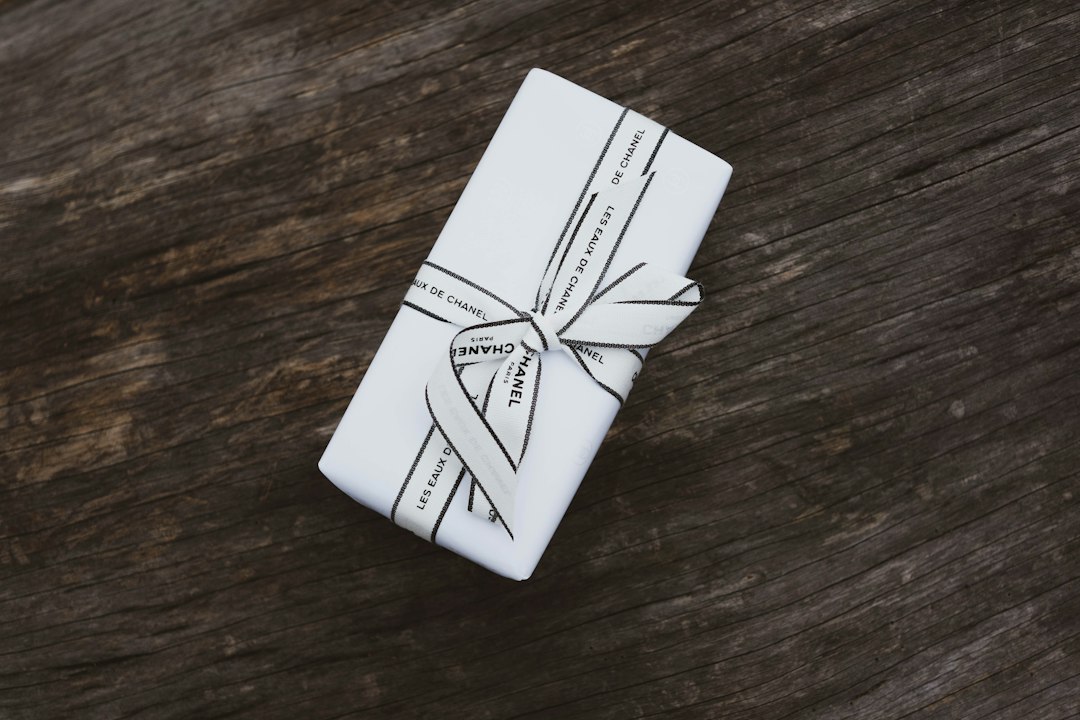
How you present the gift often matters more than its price. Wrap thoughtfully, include a concise handwritten note tying the gift to a memory or need, and if it’s experiential, add a printed itinerary or a tiny physical token—this makes the intention visible at unwrapping.
Troubleshooting common sticky points
- Worry: “They’ll return it.” Counter: choose consumables, experiences, or items clearly selected to replace a worn object.
- Worry: “It’s too personal.” Counter: err on the side of tasteful neutrality—quality over quirk—and add privacy-friendly personalization (initials, not a detailed message).
- Worry: “I don’t know their size or taste.” Counter: gift a gift card to a specific experience or a curated store pack, and complement it with a physical token that shows effort.
Timing, budget and delivery tactics that matter
For last-minute needs, buy a digital experience voucher or curated delivery that includes a printed note. For more planning time, book an event or commission a personalized piece. Budget-wise, thoughtful doesn’t equal expensive: a meaningful letter plus a small artisan item can be more valued than a high-ticket but generic luxury.
When to involve others: pooling and co-creating gifts
When a meaningful experience or high-quality upgrade costs more than you want to spend, coordinate a pooled gift. Make roles explicit—who pays, who chooses, and who writes the group note—to keep the present cohesive rather than fragmented.
- Confirm one real gap or desire (time, consumable, upgrade, memory).
- Choose one gift path: experience, consumable, upgrade, or personalization.
- Pick a clear presentation method (note, token, itinerary).
- Decide delivery timing and whether to pool resources with others.
- Verify return or transferability for larger purchases or experiences.
Focus on usefulness or memory rather than novelty. Small, well-made upgrades, consumables, curated experiences and sincere notes consistently please people who seem to have everything. Match the format to their lifestyle and present it with context.
What if they insist they don’t want anything?
Respect that, but consider experiences together or a charitable donation in their name—both align with “no stuff” preferences while still marking the occasion.
Are gift cards ever appropriate for someone who has everything?
Yes—when targeted: a gift card to a high-quality restaurant, a specialty retailer, or for an experience is better than a general store card.
How do I make a consumable gift feel special?
Choose small-batch or artisanal goods, package them with a handwritten note, and include usage suggestions or a recipe to encourage immediate enjoyment.
When should I pick an experience over a physical gift?
Pick an experience when the person values moments with people, has limited storage, or when your goal is to create a memory rather than add an item.