 Wishlist


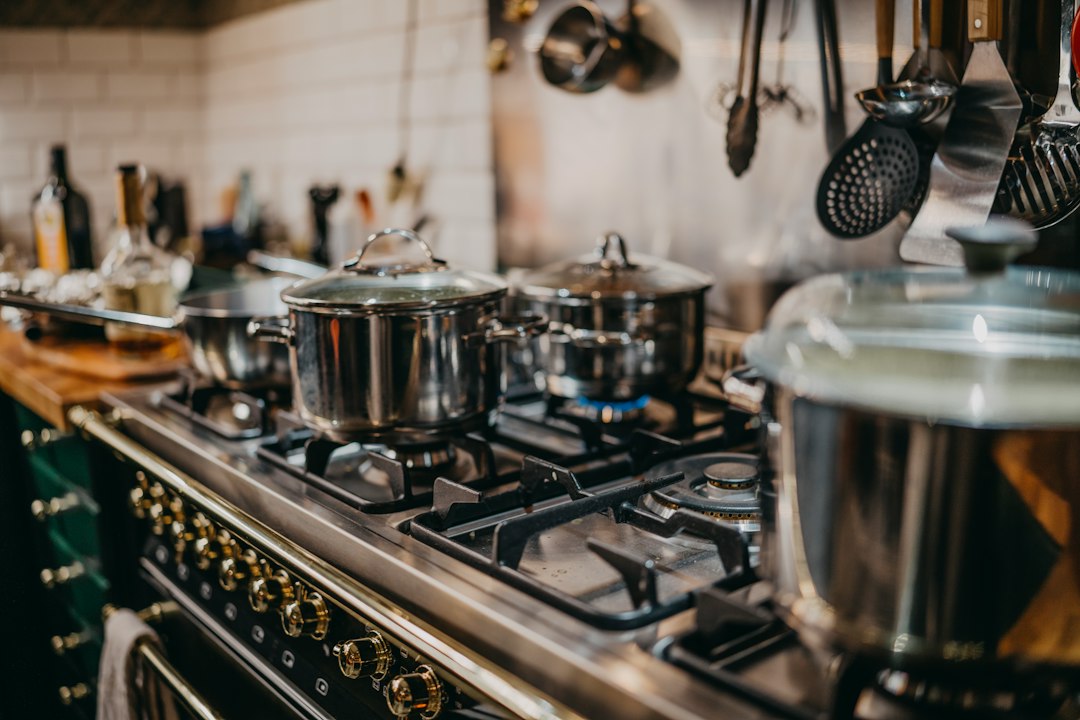
When dinnertime is a scramble: pan choice actually changes the result
You pull a chicken breast from the fridge, heat the pan, and five minutes later it’s stuck, dry or unevenly cooked. That routine moment shows why cookware matters: material and construction affect heat, flavor and cleanup. Before you buy based on looks or price, focus on how you actually cook.
Decide what matters first: three practical priorities
Pick cookware by matching it to the realities of your kitchen. Answer these three quick questions to steer the rest of this guide.
- What do you cook most often? (sauces, weekly braises, eggs, stir-fries?)
- What’s your stove type? (gas, electric, ceramic/glass, induction)
- How much time do you want to spend cleaning and maintaining pans?
How materials perform and where they make sense
Materials determine heat behavior, durability and care. Here are the common choices and the specific situations where each earns its keep.
Stainless steel — durable, versatile, good for browning
Why it works: stainless heats evenly when it’s layered (tri-ply) and tolerates high heat, metal utensils and oven use. Best for: searing meat, pan sauces, deglazing and any time you want fond for flavor.
Trade-offs: not nonstick for eggs or delicate fish without good technique and fat. Look for a heavy base or "tri-ply" construction for steady heat.
Nonstick — low-fat cooking and easy cleanup
Why it works: great for eggs, pancakes and everyday low-fat cooking. Best for: quick breakfasts and sticky foods you’d otherwise baby. Trade-offs: coatings wear over time and many need gentler heat and silicone or wooden tools. If health concerns matter, choose PFOA-free listings and replace pans when the surface scratches.
[having first inline image later per rules]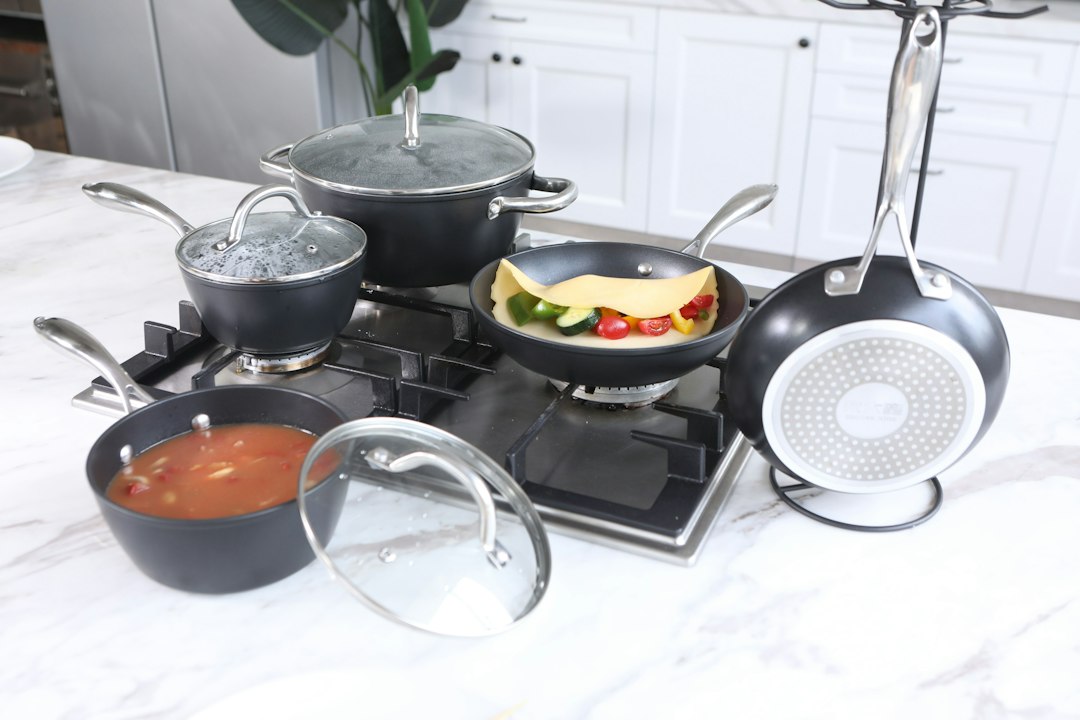
Cast iron — heat retention and high-heat searing
Why it works: exceptional at holding heat and moving from stove to oven. Best for: steaks, braises, skillet cornbread and dishes that benefit from steady heat. Trade-offs: heavy, requires seasoning and careful cleaning; not ideal if you need ultra-low maintenance.
Ceramic and hard-anodized aluminum — middle ground options
Ceramic-coated pans offer a non-toxic nonstick feel but wear faster; hard-anodized aluminum heats quickly and resists warping with a durable surface. Best for cooks who want performance close to stainless or nonstick but with lighter weight.
Copper and specialty materials — for precision and show
Copper gives unmatched responsiveness to temperature changes—great for sauces and professional technique—but costs more and needs polishing or lining. Consider it if you cook delicate sauces and value control.
Match cookware to your stove and cooking habits
Stove compatibility removes frustration later.
- Induction: requires magnetic bases (stainless tri-ply, cast iron). Check product specs.
- Gas: forgiving—most materials work well; thin pans can warp under high flame.
- Glass/ceramic: use flat-bottomed pans for even contact.
Size and shapes to prioritize by use case
Not every kitchen needs a 12-piece set. Buy to the meals you make.
- Essentials for most cooks: a 10–12" skillet, an 8" skillet, a 3–4 quart saucepan with lid, and a 5–6 quart Dutch oven or braiser.
- If you make a lot of sauces: add a dedicated saucepan with a pouring lip and tight lid.
- If you roast or braise often: invest in a heavy, oven-safe Dutch oven (cast iron or enameled).
- For small kitchens: pick stackable or nesting cookware and avoid full 15-piece sets that you won’t use.
Set vs single-piece buying: which is smarter?
Sets are convenient and often cheaper per piece, but they frequently include sizes you won’t use and may mix materials. Buy singles if:
- You cook a narrow range of meals and want higher-quality individual pieces.
- You already own one or two good pans and only need targeted upgrades.
Buy a set if you’re outfitting a first kitchen quickly and the set’s core pieces match your most-cooked meals.
Maintenance, longevity and common mistakes
How you treat cookware often matters more than cost.
- Don’t overheat empty nonstick pans—this degrades coatings.
- Season cast iron and clean with minimal soap to protect the layer.
- Use wooden or silicone tools on coated surfaces to avoid scratching.
- Wash stainless promptly to avoid water spots and food stains; polish lightly for shine.
When to choose which product: three common buyer profiles
Below are typical home cooks and the logical starting choices for each.
The busy every-day cook
You want low-effort dinners and easy cleanup: prioritize a high-quality nonstick 10–12" skillet and a 3–4 quart nonstick saucepan. Complement with a cast-iron skillet if you sometimes want deeper sears.
The enthusiastic home chef who sears and sauces
Invest in a tri-ply stainless steel skillet and a heavy Dutch oven. Stainless delivers fond for sauces; the Dutch oven handles long braises and oven finishes.
The occasional cook with limited space
Buy one 10–12" stainless or hard-anodized skillet and a 5–6 quart multi-use pot (for pasta, soups, braises). Choose stackable designs and removable handles if storage is tight.
Simple buying checklist before checkout
Use these checks to avoid buyer’s remorse.
- Is the base compatible with your stove (especially induction)?
- Are lids oven-safe to the temperature you plan to use?
- Does the warranty cover coating wear or warping?
- Does the set contain the sizes you’ll actually use?
- Can you handle recommended maintenance for the material?
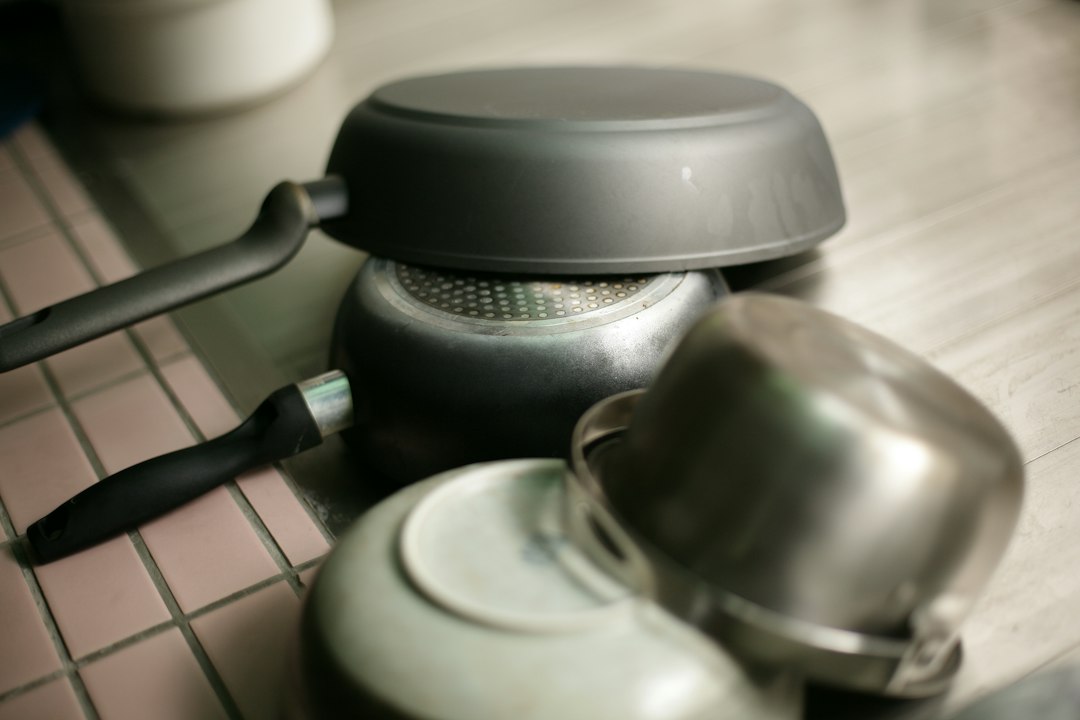
Where to start: first two purchases that improve most kitchens
If you buy only two things, get a good 10–12" skillet (your daily workhorse) and a 5–6 quart Dutch oven or braiser. Those cover frying, searing, simmering and oven finishes.
Related reads to plan the rest of your kitchen
For storage and small-kitchen strategies, see The Best Ways to Organize a Small Kitchen. To outfit dining and other kitchen items, visit our Kitchen & Dining collection.
- Confirm stove compatibility (induction requires magnetic base).
- Pick materials that match your top three meals.
- Choose quality over quantity: prioritize the skillet and Dutch oven.
- Check oven-proof temperatures for lids and handles.
- Plan storage for heavy pieces like cast iron.
Start by identifying what you cook and what stove you have. Then pick materials that solve those needs: nonstick for easy cleanup, stainless for sauces and searing, cast iron for heat retention. Buy a reliable skillet and a Dutch oven first, and add specialty pieces as your cooking evolves.
Do I need a full cookware set?
No—many cooks do fine with a good 10–12" skillet, an 8" skillet, a 3–4 quart saucepan and a 5–6 quart Dutch oven; sets can be useful but often include unused pieces.
Can I use cast iron on induction?
Yes—cast iron works well on induction because it is magnetic, though it’s heavy and needs seasoning care.
How do I choose between nonstick and stainless steel?
Choose nonstick for eggs, pancakes and low-fat cooking; choose stainless for browning, pan sauces and oven-safe searing.
How often should I replace nonstick pans?
Replace when the coating shows scratches, peeling, or food begins to stick despite normal use—typically every 3–7 years depending on quality and care.
Is tri-ply worth the extra cost?
Tri-ply or multi-ply construction improves heat distribution and reduces hot spots, making it a sensible investment if you sear or cook sauces frequently.