 Wishlist


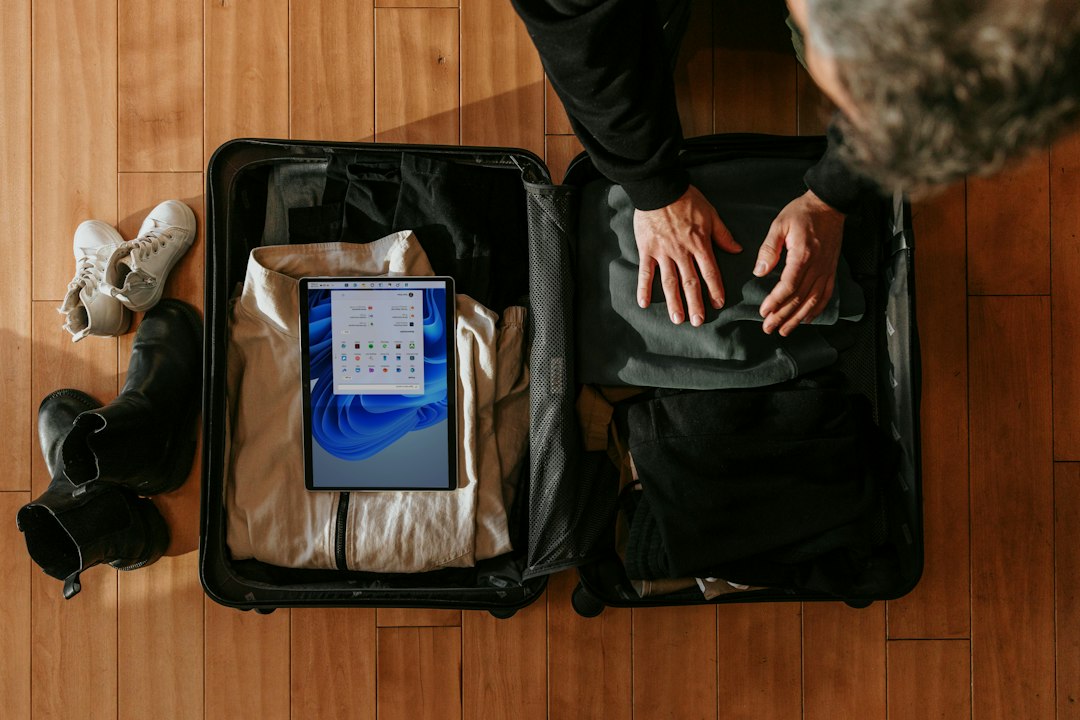
Small changes that actually make day-to-day travel smoother
Experienced travelers don’t rely on luck; they create reliable systems that remove friction. If your routine trips—commuting, quick business flights or weekend getaways—often feel chaotic, you can fix most pain points with modest, practical upgrades that save time and reduce stress.
Organize the bag, not just the contents
Start with how you store things. A carry-on whose contents are instantly findable changes every transfer, security line and coffee stop.
- Use a set of packing cubes to separate outfits, clean vs. dirty clothes, and tech cords. When you need to grab something mid-trip, you’ll reach for a labeled cube instead of unpacking the whole case. Consider a 3–5 piece set for short trips and a 7–10 piece set for multi-day travel.
- Keep a dedicated toiletry bag with zip compartments for liquids and a small clear pouch for daily medications or contacts.
- Reserve one external pocket for essentials you access most—passport, phone, transit card—and keep it consistently stocked.
Pack around a reusable “daily travel kit”
Rather than repacking from scratch, assemble a grab-and-go kit for common items: charger block, USB-C cable, earbuds, small power bank, travel-size hand sanitizer, a spare mask, and a compact umbrella. Store it in a slim pouch inside your bag so it’s always ready.
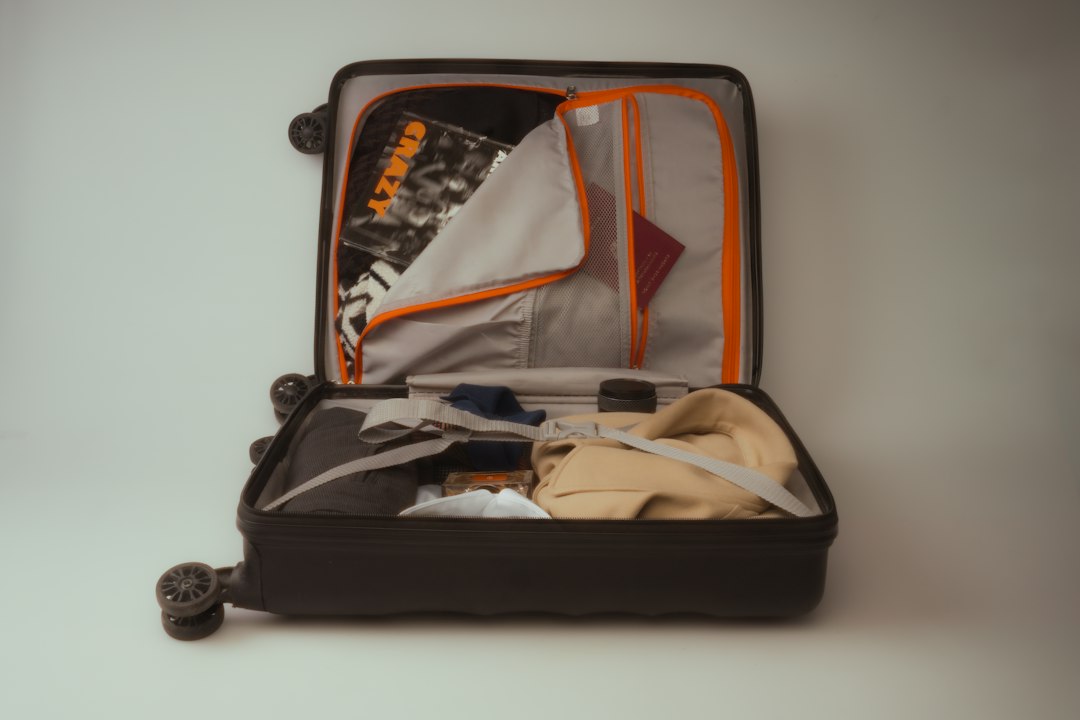
Comfort upgrades that don’t bulk up your bag
Choose small, high-return comfort items. A soft packable neck pillow, low-profile earplugs, and a thin eye mask radically improve naps on trains and planes without adding weight. Add a lightweight scarf or packable layer that doubles as warmth and privacy.
Streamline airport and transit routines
Faster transitions are less stressful than nicer seats. Adopt two simple habits:
- Pre-download tickets, boarding passes and transit maps to your phone and screenshot them; screenshotting avoids loading delays in crowded areas.
- Set a “pre-departure checklist” alarm 30–45 minutes before leaving for a flight or long trip: last-minute essentials, wallet, keys, portable battery, and confirming transportation.
Protect your stuff without adding friction
Security-minded upgrades should be invisible most of the time. A slim TSA-compliant clear pouch for toiletries speeds checkpoint lines. Use a luggage lock for checked bags and a small anti-theft pouch for electronics in crowded spaces.
Make tech actually useful, not just heavier
Pick two tech priorities and optimize them rather than carrying every gadget. If work requires always-on connectivity, prioritize a reliable power bank and a compact hotspot. If entertainment matters, keep lightweight noise-canceling earbuds and an e-reader with long battery life.
Choose multi-use clothing and shoes
Layerable items and shoes that look polished but are comfortable for walking reduce the need to carry extras. Neutral colors and fabrics that travel well (wrinkle-resistant, quick-dry) keep your suitcase smaller and your mornings simpler.
Reduce decisions with a travel capsule wardrobe
Create a mini capsule wardrobe for everyday trips: 3 tops, 1 smart layer, 2 bottoms, and one pair of shoes that match everything. This simplifies packing and ensures you always have a complete outfit without overpacking.
Keep small comforts accessible
Place frequently used small items in external or top pockets: lip balm, hand cream, chewing gum, and a small foldable reusable water bottle. Refillable bottles clear security faster and save on airport markup.
The Veken packing cubes (ID 2009) are a practical first upgrade: they eliminate the “what’s in which bag?” problem and make it simple to shift cubes between luggage if plans change mid-trip.
Make downtime productive or restorative
Short waits add up. Use them to do one focused low-friction task: sort photos, respond to two emails, or take a 15-minute guided rest. Pack a small notebook or use a single notes app to capture tasks so waiting doesn’t lead to wasted mental energy.
Simple maintenance that extends convenience
Every few months, audit your travel kit. Replace frayed cables, discard empty toiletries, and restock prescriptions. A quick quarterly refresh keeps surprise failures—dead batteries, missing adapters—out of your travel week.
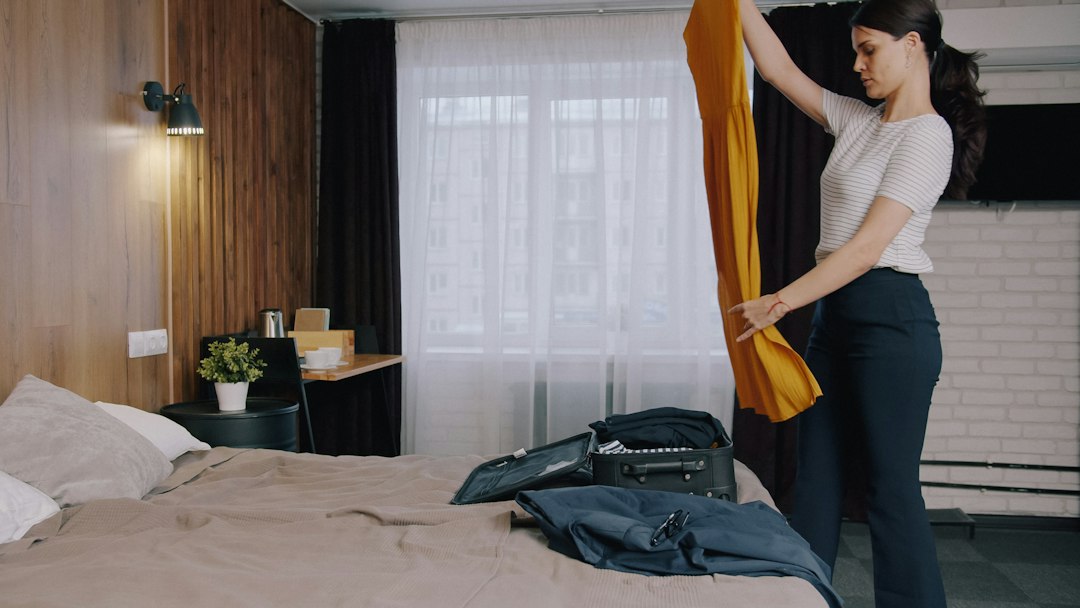
- Is your grab-and-go kit stocked and battery charged?
- Are travel documents/screenshots saved offline?
- Have you packed one versatile outfit and shoes that match multiple looks?
- Is your toiletry bag TSA-ready with liquids under 100 ml?
- Do you have a dedicated pocket for essentials (passport, phone, cards)?
Everyday travel improves most when you reduce small frictions: know where things live, make comfort easy to access, and commit to one reliable kit. Start with organization—packing cubes—and build consistent habits around it.
What’s the single best upgrade for daily travel?
Organization: a set of packing cubes or dedicated pouches that let you find essentials quickly is the highest-return change for most travelers.
How do I avoid overpacking for short trips?
Create a capsule wardrobe before you pack—limit outfits to interchangeable pieces and wear your bulkiest items on travel day.
Are packing cubes worth it for carry-on only travel?
Yes. They keep items compressed, visible and easy to remove, which speeds security checks and accommodations switches.
What small tech should I always carry?
A compact charger, a short reliable cable, and a small power bank cover most needs without adding bulk.
How often should I refresh my travel kit?
Do a quick audit every 3–4 months: replace worn items, restock consumables, and test electronics so mid-trip failures are rare.