 Wishlist


Quick answer: choose the everyday handbag that matches what you actually carry, how you carry it, and how long you want it to last
If you need room for a tablet and work papers, pick a structured tote with secure closure. If your days are phone-first and hands-free, a compact crossbody wins. After that, choose a material and internal organization that suit weight, weather and maintenance. The right everyday handbag balances fit, comfort and durability rather than fashion alone.
What “everyday” really means for you
Begin by listing the items you use every day and one or two things you sometimes carry (gym shoes, a small umbrella, a work laptop). An everyday handbag's job is to hold those reliably without excess bulk. Typical categories:
- Essentials-only (phone, cards, keys) → micro crossbody or small shoulder bag.
- Work commuter (laptop/tablet, notebook, charger) → medium-to-large structured tote or satchel.
- Hybrid days (errands + work) → mid-sized tote with zipped pocket or convertible strap.
How to pick the right size and shape
Measure typical items before shopping: a 13" laptop needs a wider, flatter base; a water bottle prefers taller depth. Try this quick fit test at home: place everything you’d carry on a table, then measure width, height and thickness of the largest stack—those numbers translate directly to bag dimensions you should target.
Shape trade-offs:
- Structured tote: holds documents neatly, resists slumping, easier to find things.
- Hobo/soft shoulder bag: lighter and more casual but can bury small items.
- Crossbody: best for security and hands-free movement; limited volume.
Choose a closure and strap that match daily use
Zippers and flap closures are better for transit and security; open-top totes are easier for frequent access but risk spills and slipping items. Consider strap options: fixed top handles work for handheld or shoulder carry; long adjustable straps or removable crossbody straps offer versatility for commuting or travel.
Material matters: durability, maintenance and vibe
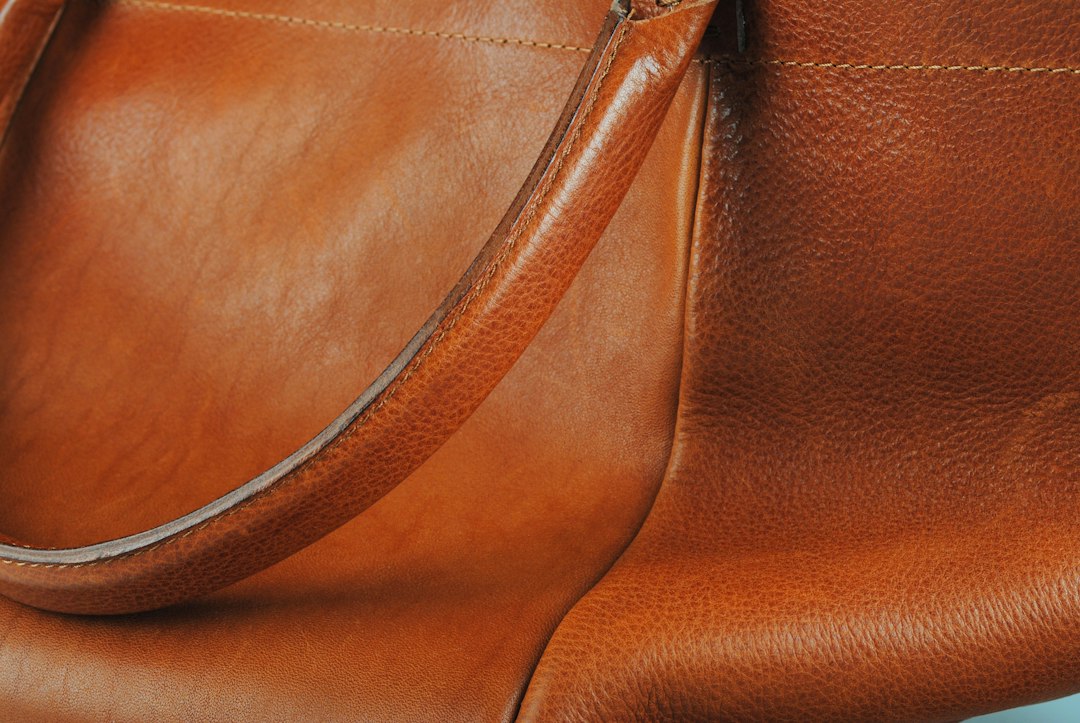
Leather (full-grain or top-grain) wears beautifully and handles structure well but needs occasional conditioning. Vegan leather or coated canvas resists water and is lighter; check stitching and edge finish for longevity. Nylon and technical fabrics are the practical choice for heavy daily use or wet climates.
Organization: pockets, dividers, and pouches that save time
Interior pockets and a central divider can reduce the "digging" problem. If you switch bags often—or want a tidy tote—use a purse organizer pouch for modular organization. For most daily routines a combination of one zip pocket for valuables, a slip pocket for phone, and a roomy main compartment is ideal.
How to test comfort and weight
Try the bag loaded to its expected weight before you buy. Pay attention to strap width and handle placement: narrow straps can dig into shoulders when the bag is heavy. For commuting, an adjustable strap that converts to crossbody distributes weight best. Also note hardware—lightweight metal keeps structure without adding excessive weight.
Practical features that make everyday life easier
- Key leash or D-ring: shorter time finding keys.
- Exterior pocket for transit cards or phone: quick access without opening the whole bag.
- Structured base with metal feet: protects bottom from wear when set down.
- Removable lining or washable pouch: useful if you carry cosmetics or snacks.
When one product solves your need
If your priority is an everyday bag that’s soft, casual and comfortable while still holding daily essentials, a medium leather shoulder bag is a strong single recommendation. For tidy organization inside larger totes, a purse organizer pouch is an easy, inexpensive upgrade.
Why this recommendation fits common needs
The recommended leather shoulder bag combines soft construction for comfort with enough structure to carry daily items and resist slumping. If you mostly switch between commuting and running errands, that blend of ease and capacity minimizes the need for multiple bags.
Care and longevity: simple maintenance steps
Wipe down fabric or nylon bags with mild soap and water; leather benefits from a light conditioner every 6–12 months. Rotate heavier items between two bags occasionally to reduce stress on seams and straps. If a bag has a removable organizer, wash it periodically to prevent crumbs and spills from accumulating.
When to splurge and when to save
Spend more on materials and hardware if you carry heavy items daily—these parts determine lifespan. Save on trend-driven embellishments or seasonal colors you might tire of. For an occasional-use bag, mid-range materials will keep costs sensible without sacrificing look.
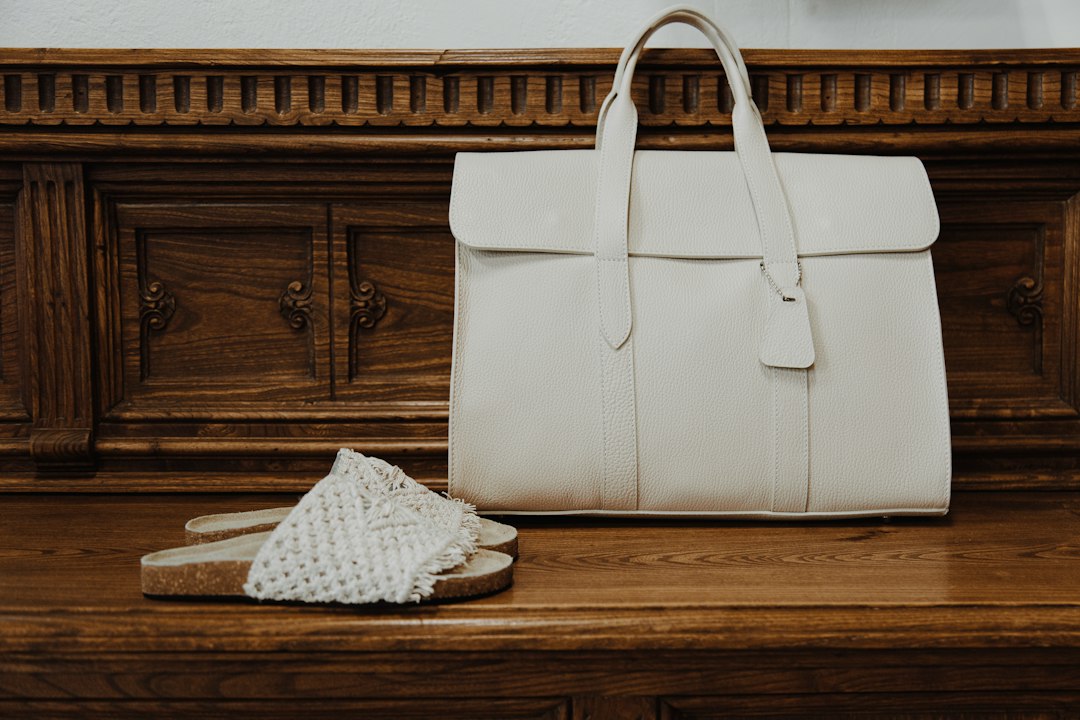
- List daily and occasional items and measure the largest stack.
- Decide preferred carry style: shoulder, crossbody, or tote.
- Check for secure closure and at least one zip pocket for valuables.
- Test a loaded bag for comfort and strap fit in-store or with returns enabled.
- Consider an organizer pouch if switching bags or using large totes.
The perfect everyday handbag solves your real routine: fit, comfortable carry, and sensible durability. Choose the size and shape that match your daily contents, pick a material that fits your climate and care tolerance, and add modular organization only when needed.
How big should my everyday handbag be?
Big enough to carry your routine items with a little margin for occasional extras—measure your items first and choose a bag with similar interior dimensions.
Is leather worth the extra cost?
Yes if you want longevity, structure and a patina over time; choose high-quality leather for daily heavy use. For wet climates or low-maintenance needs, coated fabrics or nylon may serve better.
Can a purse organizer pouch replace built-in pockets?
Often yes—an organizer pouch gives consistent layout across different bags and makes transfers easier, especially for large open-top totes.
What strap style is best for commuting?
An adjustable crossbody strap is ideal for hands-free security and even weight distribution; wider straps reduce shoulder strain with heavier loads.
How should I care for a leather everyday bag?
Wipe with a soft cloth, condition lightly every 6–12 months, and avoid prolonged exposure to water and direct sunlight to maintain finish and flexibility.