 Wishlist


What matters—and what you can ignore
What matters is clarity: a capsule wardrobe should save you time, reduce decision fatigue and increase the percent of clothes you actually wear. Ignore rigid rules about exact piece counts, color systems that don’t match your life, or social pressure to follow trending capsule templates. Focus instead on your daily routines, weather, and how you want to look and feel most weeks.
Start with the end result: one reliable outfit formula for each life role
Before you touch your closet, define the three or four “life roles” you dress for most—examples: office work, weekends/childcare, evening events, active mornings. For each role write one reliable outfit formula you can repeat and vary. Example formulas:
- Office: tailored blazer + neutral blouse + dark trousers + ankle boots
- Weekend: white tee + straight jeans + layered cardigan + sneakers
- Evening: silk top + black jeans + heeled sandals
These formulas are your outcome metric: every piece you keep must serve at least one formula.
Do a focused wardrobe audit in one hour
Lay out everything you wear regularly: tops, bottoms, shoes, outerwear, and accessories. Don’t deep-dive into storage or seasonal boxes yet—start with current season pieces you reach for. For each item ask two questions: Do I wear this at least once a month? Does it fit my outfit formulas? Keep a small “maybe” pile for items you love but don’t yet fit a formula.
Practical sorting rules
- Keep only items that are functional, flattering, and in good condition.
- Donate or sell duplicates—more than two of the same basic tee is usually unnecessary.
- For sentimental or specialty items, store them out of daily reach; they don’t need to be in the capsule.
Choose your core pieces: the backbone of the capsule wardrobe
Core pieces are neutral, versatile, and high-wear items that anchor outfits across roles. Aim for quality where it matters: shoes, outerwear, and a blazer are worth spending more on. Choose fabrics that match your climate and lifestyle (e.g., breathable cotton and linen for hot climates; wool and knits for colder places).
- Tops: 5–8 mix of shirts and knits (neutrals + 1–2 accent colors)
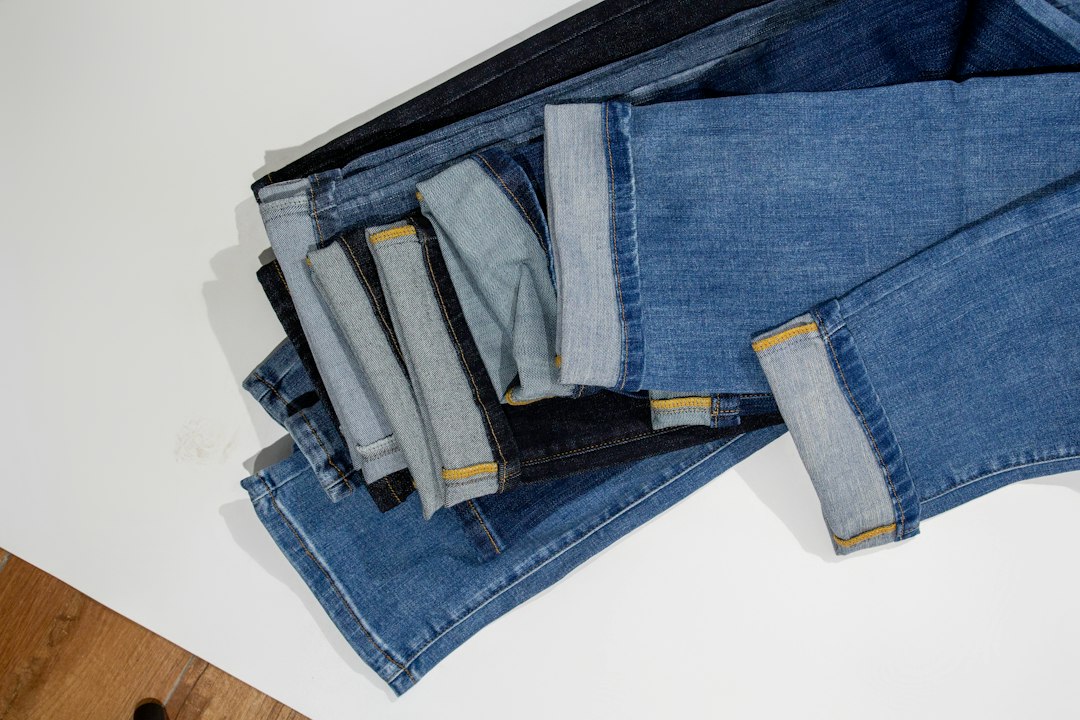
- Bottoms: 3–5 including a pair of tailored trousers, dark jeans, and one casual pant
- Outerwear: 1-2 versatile coats or jackets
- Shoes: 3–4 functional choices—casual sneakers, dress shoes, boots, sandals
- Accessories: belt, simple jewelry, one everyday bag
Keep the focus keyphrase capsule wardrobe in mind: every core piece should be usable in at least two outfit formulas.
Build combinations, not isolated pieces
With your core set chosen, create at least three outfits per life role and photograph them on your phone or hang them together. Mix textures and silhouettes—pair a soft knit with a structured blazer, or a tailored trouser with a casual tee—to increase perceived variety without more items.
Where a single product can help
If you need a reliable multipurpose layer that immediately increases outfit options, choose a well-cut neutral blazer or a structured knit cardigan—these work across office and weekend looks. For those who value smart home conveniences (making outfit choices simpler on busy mornings), an item like a smart plug for bedroom lamps can streamline light cues for dressing routines.
Fine-tuning: color, pattern and seasonal swaps
Keep your palette to two neutrals (e.g., navy and beige), one dark anchor (black or deep brown) and up to two accent colors. Use pattern sparingly—one patterned piece can refresh many combos. For seasonality, rotate four to six items in and out rather than rebuilding the whole capsule each season; this keeps the wardrobe familiar and manageable.
Troubleshooting common problems
My capsule feels boring. Add one statement accessory—scarves, bold earrings, or a patterned shoe—or swap an accent color seasonally. Small changes amplify perceived variety.
I still have decision fatigue. Standardize mornings: pre-select outfits for the week, or create a capsule calendar (Monday = blazer day). Keep the most-used outfit at eye level or photographed for quick reference.
I keep impulse-buying. Institute a 72-hour rule for nonessential clothes, and set a “replace, then add” policy: only buy a new item when you remove one that no longer fits your formulas.
Maintain the capsule: quarterly mini-audits
Every three months do a 20–30 minute check: remove items unworn for that period, mend or tailor pieces that drag outfits down, and test one new pairing. This prevents slow creep and keeps the capsule responsive to life changes.

When to alter the capsule for big life changes
Major changes—new job, move to a different climate, body changes—require a re-evaluation of your outfit formulas first. Keep what still fits the new formulas and treat the rest as candidates for donation or sale. Rebuild by selecting 3–5 new core pieces that solve the biggest gaps.
Building a capsule wardrobe that actually works is less about reaching a fixed number and more about aligning clothes with your repeated daily decisions. Define roles, pick anchors, create repeatable formulas, and maintain with small, regular audits.
- List your 3–4 daily life roles and one outfit formula for each
- Audit current-season clothes: keep, maybe, donate/sell
- Select core pieces that serve at least two formulas
- Create and photograph 3 outfits per role
- Implement a 72-hour buying rule for new clothes
- Perform a 15–30 minute mini-audit every quarter
A working capsule wardrobe is a toolbox of versatile garments chosen to meet your real weekly routines—not a strict cap. Focus on outcome-driven outfit formulas, quality where it matters, and small seasonal tweaks to keep the system simple and wearable.
How many pieces should a capsule wardrobe have?
There’s no perfect count; practical capsules often range from ~25–40 items (including shoes and outerwear). Choose a size that covers your formulas without excess.
Can a capsule include loud or patterned items?
Yes—limit them to one or two statement pieces that can refresh multiple outfits so they don’t reduce overall versatility.
How do I transition a capsule between seasons?
Rotate 4–6 items in and out, swapping knits for lighter tops or adding a seasonal coat rather than rebuilding the entire set.
What if my job requires a uniform or strict dress code?
Build a capsule around the required items: choose quality basics and interchangeable accessories to keep variety while meeting dress rules.
Is tailoring important for a capsule wardrobe?
Yes—proper fit increases wearability and appearance. Tailoring inexpensive pieces is often more cost-effective than buying higher-priced items that don’t fit well.