 Wishlist


Start where you already live: small changes that read as intentional
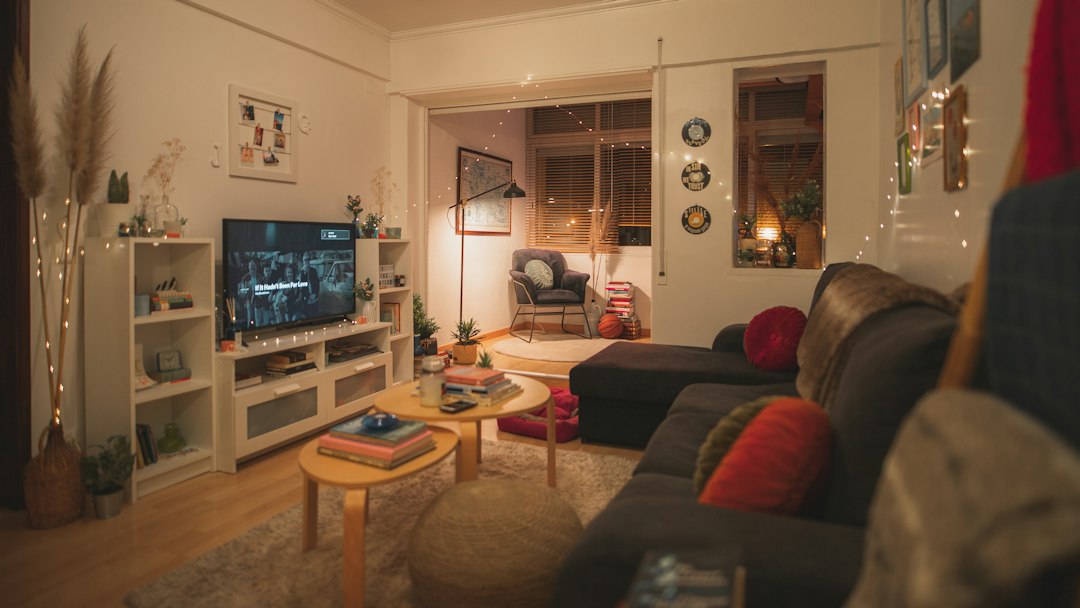
Making your home feel luxurious is less about spending a fortune and more about making deliberate choices that suggest care, balance and comfort. If your goal is to make home feel luxurious, focus on light, texture, scent and a few well-placed objects—these create the impression of cohesion and thoughtfulness.
1. Layer light for warmth and depth
Good lighting is the quickest upgrade. Combine ambient overhead light, task lamps and several dimmable table or floor lamps so you can change the mood. Warm bulbs (2700–3000K) read as richer than harsh white; dimmers add flexibility. In a living room, put a floor lamp near a reading chair and a small lamp on a console behind the sofa to create depth.
2. Invest in better textiles where you touch the most
Swap thin throws, low-count sheets and flat pillows for just a few higher-quality pieces. A heavier throw with visible texture, a duvet with good fill power, and plump, down-alternative cushions make seating and beds look intentionally comfortable. Choose neutral or jewel tones that read as classic rather than trendy.
3. Edit surfaces—less clutter, more pause
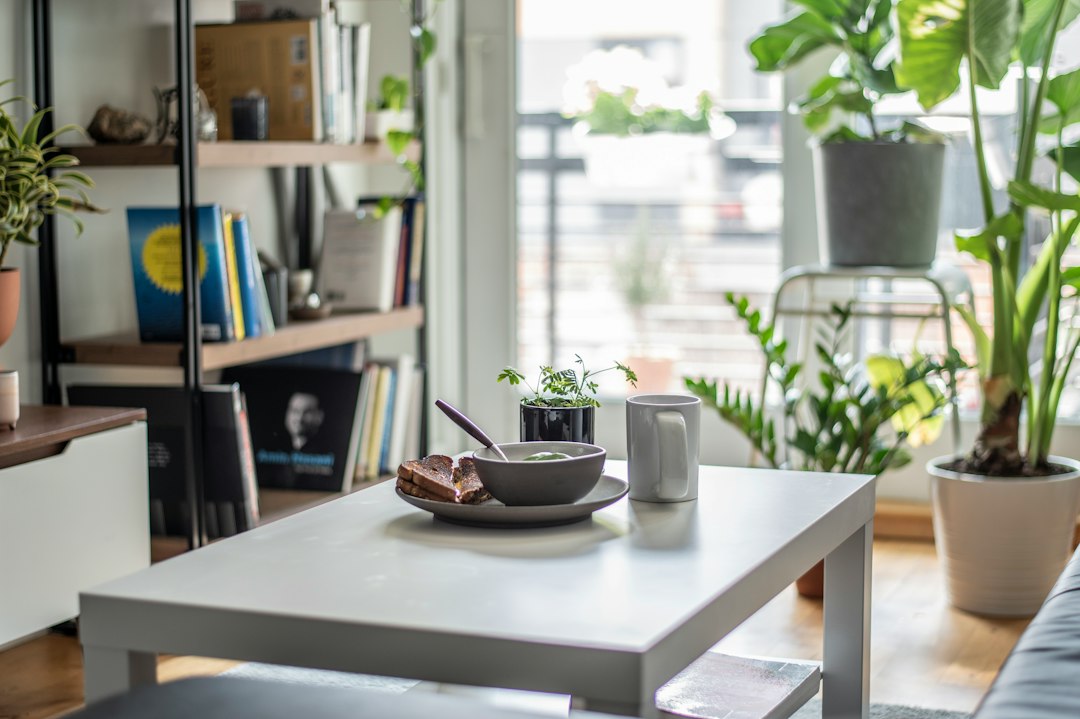
Luxury is often about selective restraint. Remove mismatched trinkets and keep horizontal surfaces purposeful: a small stack of books, one sculptural object, and a functional item like a tray or coaster. Use decorative storage—boxes or lidded trays—to hide small daily clutter so surfaces feel calm.
4. Add a sculptural focal point
A single artful object—an oversized vase, a glass sculpture, or a distinctive lamp—anchors a room and signals curation. Place it where the eye naturally rests: a console table, mantel, or coffee table. For a modern touch, consider the Mataura Large Glass Sculpture (ID 5314) as a visually striking accent that reads like gallery decor.
5. Anchor rooms with a statement rug
A thoughtfully-sized rug defines seating areas and adds texture and color. Choose one that fits the furniture layout—ideally with front legs of sofas on the rug—to avoid the cheap, floating look. Natural fibers or a subtle pattern in warm tones make a space feel composed and intentional.
6. Swap hardware and small finishes
Replacing dated cabinet knobs, faucet handles, or light switch plates is a small project with high visual impact. Warm metals—brass or aged gold—tend to read as more luxurious than bright chrome in living spaces. Keep finishes consistent across a room to avoid visual noise.
7. Use scent strategically
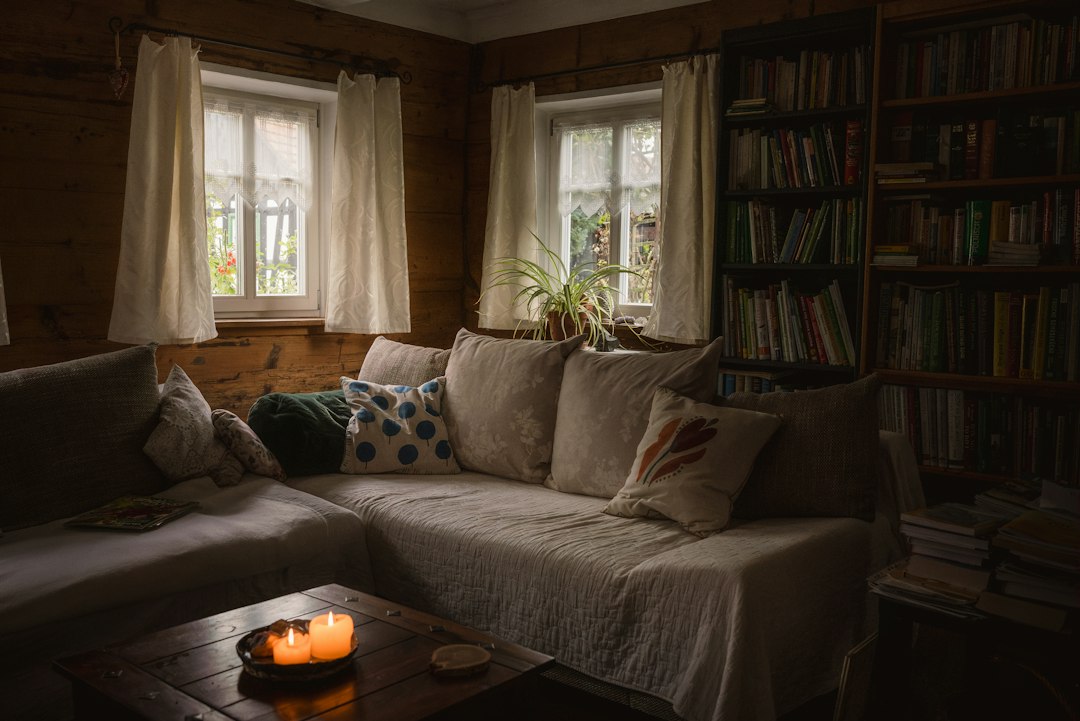
Scent registers as sophistication when it's subtle and consistent. A candle in a neutral vessel or a diffuser with a restrained scent family (linen, cedar, citrus) creates an invisible layer of polish. Use candles in bathrooms and living rooms for both scent and soft lighting—Marycele Candle Warmer Lamp (ID 6120) is an option if you prefer flameless warmth.
8. Elevate window treatments and textiles
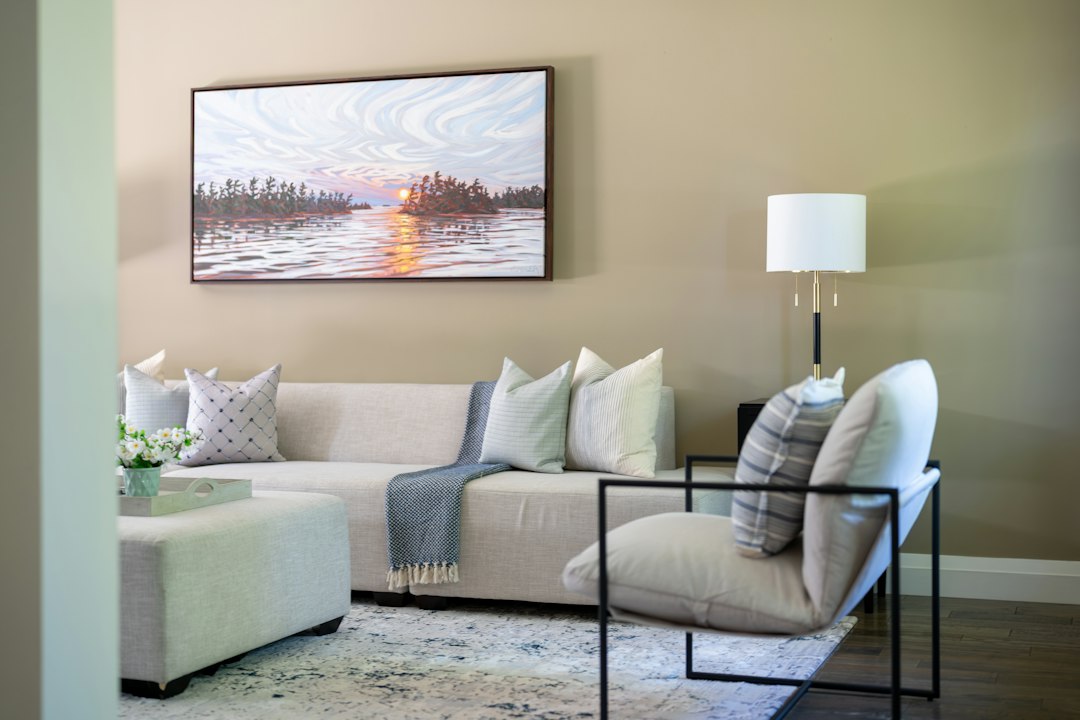
Full-height curtains hung close to the ceiling lengthen the wall and make rooms feel grander. Choose heavier weight fabrics or double-layer with sheers for a tailored look. In bathrooms and kitchens, rolled Roman shades in a textured fabric look more expensive than plastic blinds.
9. Mind scale and proportion
Rooms that feel off usually have scale problems: a tiny coffee table in front of a large sofa or an oversized lamp in a small corner. When adding pieces, measure first. Group smaller objects in odd numbers to create visual weight without clutter. The right proportions make a room feel deliberate and cohesive.
10. Curate lighting moments and rituals
Luxury is a practiced habit as much as a style. Create a few repeatable rituals: soft lights and candles for evening, fresh towels and a small tray of toiletries for guests, or a daily twenty-minute tidy of visible surfaces. These small rituals keep the home consistently inviting.
- Install layered, dimmable lighting in main rooms.
- Upgrade one set of textiles: throws, pillows or sheets.
- Edit three surfaces of visible clutter; add one decorative box for storage.
- Add one sculptural focal piece (console, mantel, or coffee table).
- Measure before buying rugs and large furniture to ensure correct scale.
- Choose a consistent warm metal finish for small hardware updates.
Making your home feel luxurious is about selective investment and consistent habits. Prioritize improvements that are visible and tactile—light, textiles, scent and one or two statement objects—and you’ll get a high-impact result for a modest cost.
Do I need to redecorate the whole house to look luxurious?
No. Target high-impact zones—living room, bedroom and entry—and focus on light, textiles and decluttered surfaces to change the overall impression.
Which room gives the biggest return on investment?
The living room and master bedroom typically offer the biggest perceived lift because they're where guests and you spend most time; small upgrades there influence how the whole home feels.
How do I choose a statement piece without overdoing it?
Pick one sculptural object per main room and place it where the eye rests; avoid matching statement pieces across every surface to maintain balance.
Are expensive items necessary to look luxurious?
Not always—quality, cohesion and proportion matter more than price. A well-chosen affordable rug or lamp can read as expensive when paired with good lighting and edited surfaces.
What small hardware upgrades make the biggest difference?
Cabinet knobs, faucet finishes and light switch plates are quick swaps that unify a room—choose a warm metal and repeat it in visible places.