 Wishlist


Start by deciding what actually needs to change
Most shoppers begin by wanting the “best” product rather than answering a simple question: what problem am I trying to fix? Choose skincare products by first identifying two things: your skin type (oily, dry, combination, normal, sensitive) and your priority concern (hydration, acne, dark spots, rosacea, early wrinkles, barrier repair). The right product solves a specific, realistic problem and fits into the time you’ll actually use it.
Quickly confirm your skin type and current condition
Do a one-week observation rather than guessing. For three mornings after cleansing (no products), note whether your skin:
- feels tight or flakes (leans dry)
- appears shiny by midday over the T-zone (leans oily)
- is patchy—dry cheeks with an oily forehead (combination)
- reddens or stings with plain water or basic products (sensitive)
Also note breakouts’ frequency, how fast redness calms, and whether sun exposure causes lingering discoloration. These clues guide ingredient choices and product textures (gel, lotion, cream, oil).
What actually matters when you read labels
Look for three practical things on a label: the active ingredients, where the product sits in your routine (cleanser vs serum vs moisturizer), and allergen cues. Active ingredients tell you what the product will deliver; the same ingredient is often offered by multiple brands but in different concentrations and bases.
- For hydration: glycerin, hyaluronic acid, squalane, ceramides.
- For oil control/acne: salicylic acid, niacinamide, benzoyl peroxide (use cautiously).
- For pigmentation: vitamin C (ascorbic acid), niacinamide, AHA acids (glycolic, lactic).
- For anti-aging: retinoids (retinol, prescription tretinoin), peptides, antioxidants.
- For barrier repair/sensitivity: ceramides, panthenol, oat extract, low fragrance.
Also check product pH when relevant: AHAs/BHAs and vitamin C work best at specific pH ranges, while most moisturizers and sunscreens are pH-neutral. If you’re unsure about concentrations, prefer products aimed at beginners or those labeled for daily gentle use.
Prioritize morning and evening needs—don’t buy a duplicate function
Your skin’s needs differ across the day. In the morning, the highest priority is sun protection plus light hydration. In the evening, the focus shifts to repair and actives that work overnight.
- Morning must-haves: gentle cleanser (if you washed hair or sweat), antioxidant serum or lightweight hydrator, broad-spectrum sunscreen SPF 30+.
- Evening must-haves: gentle cleanse, targeted active (retinoid, AHA, BHA, or a brightening serum), moisturizer or barrier cream.
Buy with purpose: a powerful retinoid belongs in the evening and should not replace sunscreen—both are needed. If budget limits you, prioritize sunscreen and a basic hydrating moisturizer before experimenting with expensive serums.
How to choose product texture and formulation
Texture matters more than packaging buzz. If you have:
- Dry skin: choose creamy cleansers and richer creams or oils that contain occlusives (squalane, ceramides).
- Oily/acne-prone skin: choose gel cleansers, lightweight water-based serums, and oil-free or gel moisturizers.
- Combination skin: use lighter textures on the T-zone and richer ones on drier areas, or pick balanced lotions that absorb quickly.
- Sensitive skin: avoid high fragrance, high-alcohol toners, and high-concentration actives—look for soothing bases and short ingredient lists.
Layering basics: the order that actually works
Apply from thinnest to thickest consistency, except sunscreen which always goes last in the morning. Typical order:
- Cleanser
- Toner / hydrating mist (optional)
- Light serums (vitamin C, hyaluronic acid)
- Active serums (retinoids at night; chemical exfoliants as directed)
- Moisturizer
- Sunscreen (AM)
Space strong actives—don’t apply retinol and an AHA at the same time unless directed. When introducing a new active, use it every other night to monitor tolerance.
How to introduce actives and avoid irritation
Start low and slow. For retinoids or acids, begin with a low concentration product and use it once or twice a week, increasing frequency over weeks if the skin tolerates it. Always pair actives with a moisturizer to mitigate dryness. If irritation occurs—stinging, sharp burning, significant redness—stop the product and restart at a lower frequency or choose a gentler alternative.
When to choose multi-step kits versus single items
Buy a set when you want a cohesive, time-saving routine that’s been formulated to work together—these are excellent for travel or when you prefer simple shopping. Buy single products when you need to fix one gap (more hydration, stronger sunscreen) or to replace an item after testing compatibility.
For readers building a starter routine, a balanced 3-step kit (cleanser, hydration serum, moisturizer) is often the fastest way to get consistent results without guesswork.
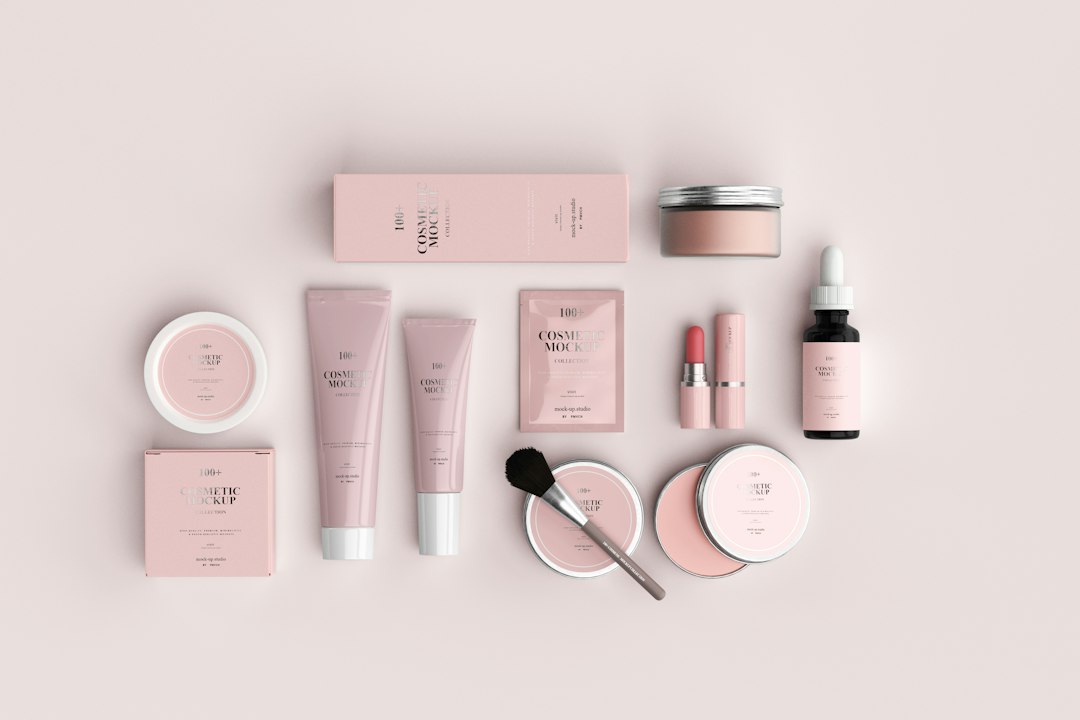
The Daily Set above is a good match for someone who wants a simple, complete routine: cleanser, hydration serum, and moisturizer formulated to work together. Use it if your goals are general hydration and maintaining a healthy baseline before adding targeted actives.
Shopping red flags and label traps
- “All-natural” or “clean” are marketing terms; read the ingredient list for actives and preservatives.
- Very long lists of botanical extracts often add cost without proven benefit and can raise allergy risk.
- Products that promise instant dramatic changes overnight are unlikely; look for realistic claims and clinical data links if clinical claims are made.
- Expiration dates and packaging: airless pumps or amber glass help stabilize sensitive ingredients like vitamin C.
- Identify your skin type and main concern for the next 3 months.
- Confirm one AM product is SPF 30+ broad-spectrum sunscreen.
- Choose textures you will use daily (cream vs gel vs oil).
- Patch-test new actives on the forearm for 48 hours.
- Start actives slowly—once or twice weekly, then increase.
Choosing skincare products starts with deciding the single most important skin need, then selecting simple, compatible items that address that need. Prioritize sunscreen and hydration, read ingredient lists for proven actives, and introduce stronger treatments slowly.
How many products should a beginner buy?
Start with three: a gentle cleanser, a hydrating moisturizer (or serum + moisturizer), and a broad-spectrum sunscreen for daytime. Add actives later as needed.
Can I use vitamin C and retinol together?
They can be used in the same routine but are typically separated by time: vitamin C in the morning, retinol at night, to reduce irritation and maintain efficacy.
How do I patch-test a new product?
Apply a pea-sized amount to a clean area on the inner forearm for 48 hours; look for redness, itching, or blistering before using on the face.
Is fragrance-free always better?
Fragrance-free is safer for sensitive skin because fragrances increase irritation risk, but some people tolerate mild fragrance without issues.
How long until I see results from a new routine?
Basic hydration and smoother texture can appear in days to weeks; meaningful changes from actives (retinoids, acids) typically take 6–12 weeks.