 Wishlist


Start with the result: a calm, edited space that reads as intentional
You want a home that feels elegant—calm proportions, considered details and a sense of cohesion—without tearing out walls or spending on a full renovation. Focus on four visible cues that signal elegance to the eye: a restrained palette, quality textiles, clear editing (less clutter), and layered light. Ignore trends, complex layouts, and impulse buys: elegance is more about restraint and finish than new square footage or matching a social-media look.
Define a simple visual plan for your main room
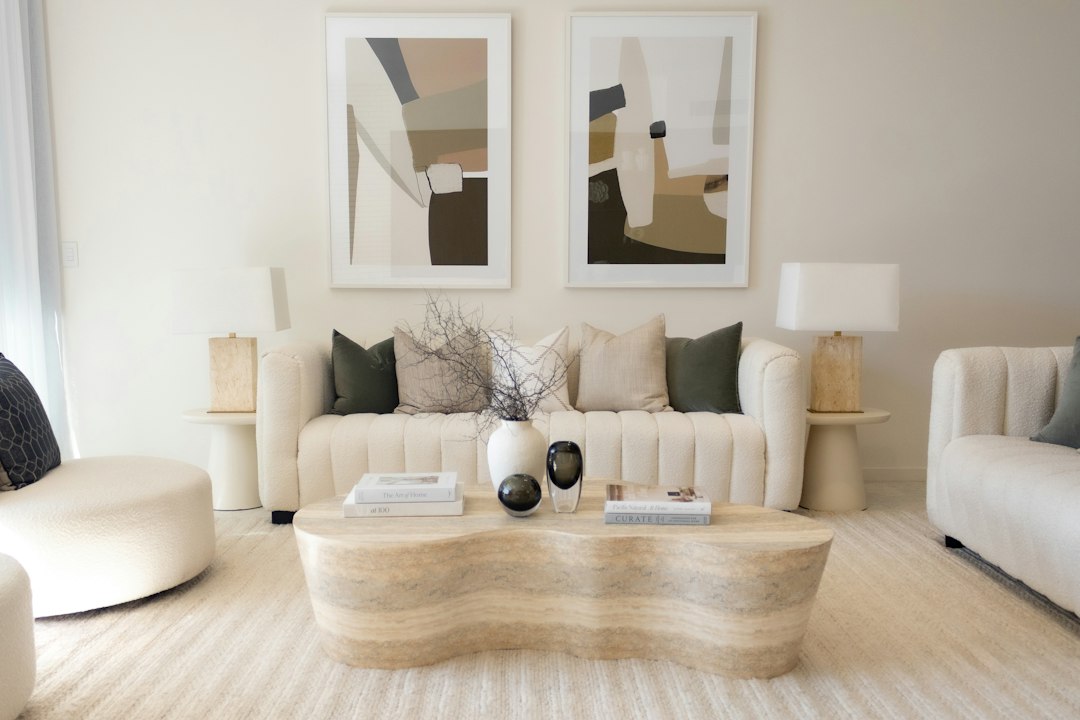
Pick one room to transform first—usually the living room, entry or master bedroom. Decide on a short list of visual anchors you'll use across the space: 1) a base color (one neutral + one accent), 2) one or two textures (linen, wool, leather), and 3) a sculptural accessory (vase, lamp or statue). Keeping this small palette prevents the room from looking patched together.
Declutter and edit: remove before you buy
Elegance reads as calm because visual noise is reduced. Spend an hour per surface editing: remove anything chipped, mismatched, or purely sentimental that doesn't belong on display. Put items in three boxes—keep, store, donate—and be ruthless about duplicates and expired products.
Upgrade key textiles for immediate luxury
Swapping a few textiles yields big returns. Prioritize:
- Throw pillows: choose 2–3 in complementary textures rather than many small, busy patterns.
- Blanket or throw: a wool or cashmere-blend in a neutral adds weight and polish when casually draped.
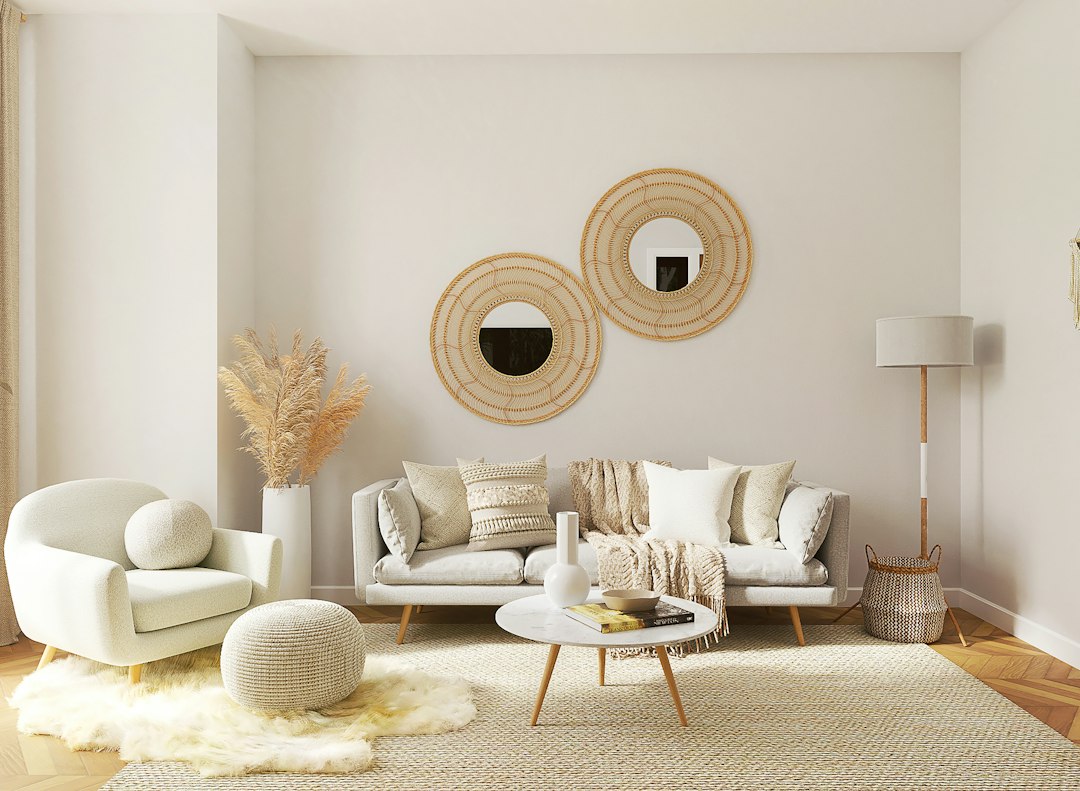
- Area rug: size matters—your rug should at least tuck under the front legs of main seating to feel intentional. Layering a smaller patterned rug atop a larger natural-fiber rug creates depth.
Refine color and finishes—small changes, big effect
You don’t need a new paint job to change the mood. Rebalance color with accessories: swap bright lamp shades for neutral ones, add a matte black or brass tray, or replace busy curtains with solid, slightly heavier drapery. Focus on consistent metal finishes—mixing three different metals usually reads as accident, not design.
Layer lighting for warmth and depth
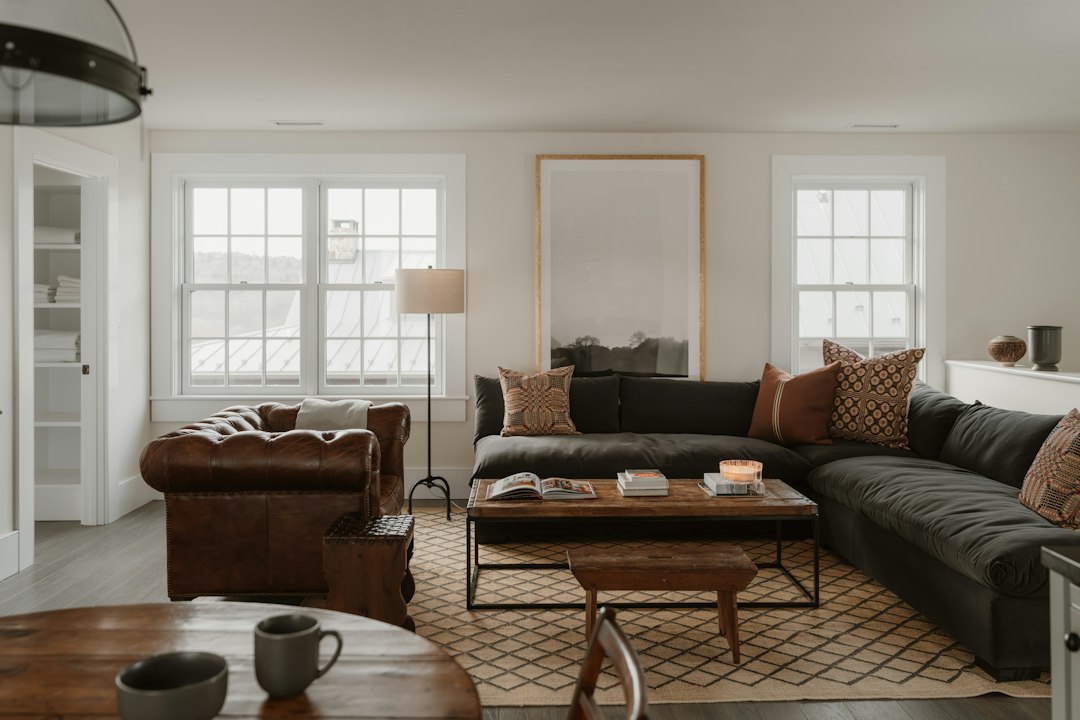
Overhead light alone flattens a room. Aim for three light sources: ambient (ceiling), task (reading lamp), and accent (table lamp or picture light). Use warm bulbs (2700–3000K) and add dimmers where possible to control mood. Replace inexpensive shades with ones that diffuse light evenly; a soft glow instantly elevates textures and colors.
Choose a few statement accessories and display them with restraint
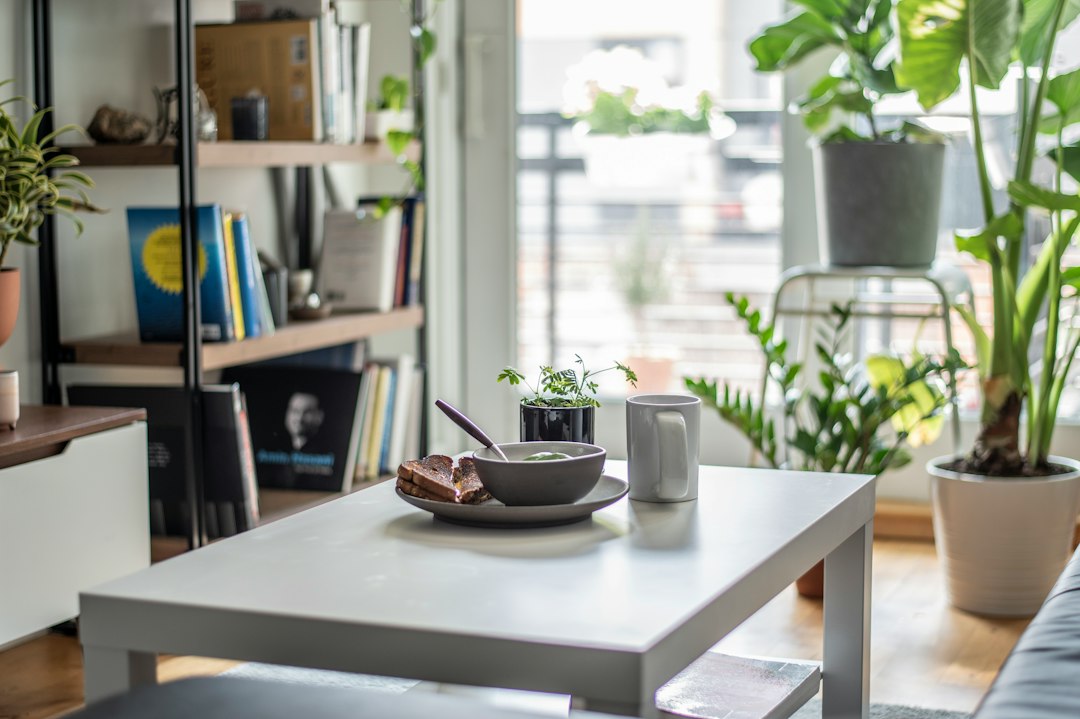
Invest in one or two sculptural pieces rather than many small items. A white ceramic vase, a small bronze sculpture, or a simple framed print reads as intentional. Style surfaces by groupings of odd numbers: three objects of varied heights on a console, or a tray with a candle, small book and plant on a coffee table. Leave negative space around groups—crowding undermines the point.
Fix small hardware and visible details
Elegance depends on finish. Replace worn cabinet knobs, tighten loose handles, and hide visible cords with simple cable channels. Swap chipped coasters and mismatched outlet covers. These small repairs read like care and subtly lift the whole room.
Introduce scent and sound as finishing layers
Scent and subtle sound are often overlooked but are part of how a space feels. A reed diffuser with a clean linen or soft citrus scent is low-effort and constant. Gentle background music or a smart speaker that blends into decor makes the room feel inhabited and considered.
When to invest: furniture swaps that matter
If you plan to replace one piece, choose the item that anchors sightlines: a sofa in the living room, a bedframe in the bedroom, or a dining table that fits your proportion. Prioritize timeless lines and neutral upholstery; an intentional silhouette and scale will feel elegant for years. If budget is tight, reupholstering or new legs can refresh a piece for far less than replacement.
Troubleshooting and quick adaptations
If a room still feels cluttered after editing, step back and evaluate sightlines: are small objects competing at eye level? Remove half of the remaining decorative items and reintroduce them slowly. If the palette feels flat, add one saturated accent (deep navy, terracotta or forest green) in a pillow or vase to create contrast. For renters, use removable wallpaper, temporary trim, and command-strip hooks to change scale without damage.
Practical recap: what to do this weekend
1) Edit surfaces for 60–90 minutes; box and remove three items per surface. 2) Swap one or two textiles (throw + pillows). 3) Rebalance lighting—add a lamp or change bulbs. 4) Choose one sculptural accessory to anchor a surface. These actions create visible change with minimal cost.
- Clear and edit three prominent surfaces (console, coffee table, mantle).
- Replace or add one high-quality textile (throw or rug layer).
- Add or reposition two light sources with warm bulbs.
- Choose one sculptural statement object and style it with a tray or book.
- Fix two small finish issues (hardware, loose screw, frayed shade).
Elegance is achieved through restraint, consistent finishes and layered sensory details—color, texture, light and scent. By editing first and upgrading a few high-impact elements, you can transform a room’s feel without a complete makeover.
How many colors should I use to create an elegant look?
Stick to a base neutral plus one accent; add a second accent only if it repeats in at least three places to keep cohesion.
Are expensive items necessary for elegance?
No—well-chosen, higher-quality textiles and a few polished accessories go further than many cheap items spread around the room.
What’s the fastest way to upgrade lighting?
Swap bulbs to a warm color temperature, add a table or floor lamp, and use a dimmer or smart bulb for instant mood control.
Can renters make these changes?
Yes—use removable hooks, temporary fabric panels for curtains, plug-in lamps, and non-damaging hardware alternatives to avoid permanent changes.
Which room should I start with?
Start where you spend most time or where first impressions matter—the living room or entry—so the improvements are used and seen often.