 Wishlist


Start small: what actually matters (and what you can ignore)
Not every upgrade moves the needle. Replace items that you use daily and that touch your comfort, health or routine efficiency; ignore single-use gadgets, impulse luxury versions, or items you rarely handle. Products worth upgrading are those that reduce friction, improve rest or protect your body—think bedding, tools you use sitting or standing for long stretches, and a few kitchen and travel staples.
How to decide quickly: three practical filters
Before you shop, ask three simple questions about any candidate item:
- Frequency: Do I use this several times a week or every day?
- Impact: Does modest improvement save time, reduce pain, or boost sleep quality?
- Durability: Will better materials or construction last noticeably longer?
If the answer is yes to two of three, the upgrade is usually justified. That narrows the list to a few high-impact categories below.
Better bedding choices: sleep-first wins
Sleep is the single daily activity where comfort compounds fastest. Upgrading a pillow, duvet/comforter or mattress topper usually has immediate benefits. Prioritize the item that most directly affects your sleep—if you wake with neck pain, start with a pillow; if you overheat or feel weighed down, choose a breathable comforter or a lighter duvet.
When choosing, look for clear material cues: breathable cotton or bamboo covers, gel or memory foam with zoned support for pillows, and a fill weight for comforters that matches your local climate. A mid-priced comforter upgrade often delivers more visible improvement than swapping sheets alone.
Ergonomic desk items that repay attention
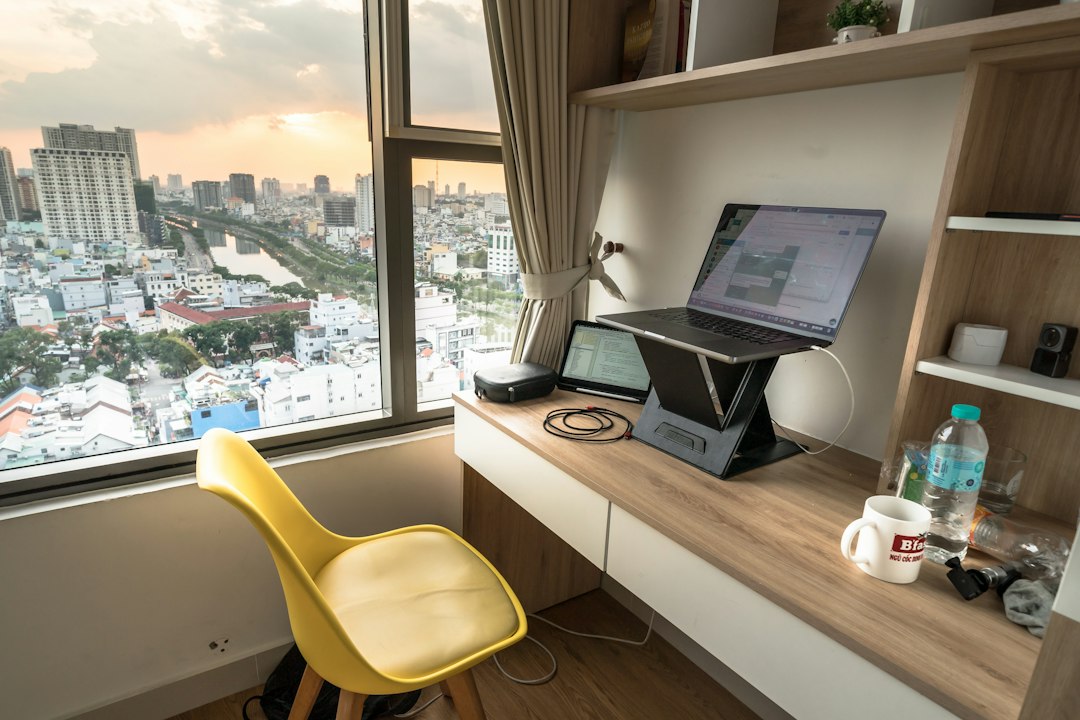
People who spend long hours at a desk should focus on wrist and lumbar support first. A supportive wrist rest reduces strain during typing and can reduce fatigue over months; an adjustable chair or a lumbar cushion protects your lower back. If you use a laptop, a riser to bring the screen to eye level prevents neck hunching.
Small interventions are inexpensive and reversible: try a wrist rest for a few weeks before committing to a full chair replacement.

Kitchen tools: replace when they slow you down
In the kitchen, the best upgrades are those that eliminate extra steps or make preparation safer. Replace dull knives, flimsy cutting boards and low-quality pans that stick or warp. A single sharp chef’s knife and a stable cutting board improve speed and reduce the risk of slips and injuries.
Pick materials that match your cooking habits: stainless or forged carbon steel blades hold an edge; teak or dense plastic cutting boards resist warping and bacterial traps; heavy-bottomed pans provide even heat and last longer on frequent stoves.
Travel and drinkware: convenience every day
An insulated mug or bottle that reliably keeps beverages at the right temperature can turn small daily pleasures into steadier comfort. Choose double-wall stainless construction with a secure lid for commuting; wider mouths are easier to clean but may not be spill-proof. For plane or train travel, a soft but structured carry bag with internal pockets reduces friction getting in and out of transit.
Self-care devices that actually help
Pick one recovery or wellness tool that fits your pain points: a percussion massager for persistent muscle knots; a foam roller for tight hips and calves; or a quality sleep mask for light sensitivity. These are not mandatory, but when targeted—used for five to ten minutes several times a week—they can reduce soreness and improve mobility more than sporadic stretching alone.
When a cheaper alternative is fine
Commodities where price matters less include purely decorative items, single-use kitchen tools (unless you use them daily), and electronics you replace often for features rather than comfort. For those, a mid-range option usually suffices.
Budgeting and timeline: how to spread costs
Spread upgrades over a few months. Start with the single product that affects your daily comfort the most. Aim to spend more on components that are hard to replace often (bedding, good knives, a chair) and less on consumables. Look for warranties on higher-cost items—adjustable chairs and electronics often include useful coverage.
One honest product pick to try first
If you only try one upgrade, replace the item that interrupts your day most: a tangled night’s sleep suggests a new comforter or pillow; recurring wrist or shoulder fatigue points to a wrist rest or chair cushion. For many readers, a daily-comfort bedding upgrade is the quickest, most wide-reaching win—so starting there is practical and defensible.
What to avoid when upgrading
- Don’t overbuy features you won’t use—e.g., a top-of-the-line chef’s knife if you rarely cook.
- Avoid buying multiple upgrades at once; you won’t know which change helped.
- Be wary of vague marketing terms—look for materials, measurements, and return policies.
- Identify one daily pain point (sleep, wrist pain, slow meal prep).
- Apply the frequency/impact/durability filter to candidate items.
- Start with one upgrade and allow a 2–4 week trial.
- Prioritize durable materials and clear return policies.
- Budget higher for items you’ll keep 3+ years (bedding, chair).
Upgrade selectively: focus on daily-use items where small improvements add up—bedding, ergonomic desk accessories, core kitchen tools, and one wellness or travel piece. Test one change at a time and choose durable, well-specified products.
Which single household item gives the biggest comfort return?
For most people, bedding—especially a supportive pillow or a breathable comforter—delivers the fastest, most noticeable improvement in daily comfort.
How much should I spend on an ergonomic wrist rest?
Moderate: a good wrist rest is inexpensive compared with chairs; choose one with memory foam or gel and a non-slip base—typically mid-priced models offer the best value.
Are high-end kitchen knives worth it?
Yes if you cook often; a single high-quality chef’s knife replaces several cheap knives and lasts longer with proper care. Otherwise, a moderately priced forged knife is sufficient.
How do I test a bedding upgrade before committing?
Use a trial period if the seller offers it; otherwise, sleep on the new item for at least two weeks to allow your body to adapt and compare sleep quality and morning comfort.
What’s an easy, low-cost upgrade for travel comfort?
An insulated, leakproof travel mug and a compact neck pillow provide immediate daily convenience and are inexpensive to replace or test.