 Wishlist


Start with the result you want: confidence, not impulse
When you buy high-value items online, the goal is a reliable product that matches the brand promise and a predictable path back to the seller if something goes wrong. If that’s your end result, the rest of the process becomes a set of checks that lower specific risks: counterfeit, misrepresentation, poor service, and difficult returns.
Shop premium products online: a practical checklist before you click
Use this sequence every time you’re about to pay for a premium product. It’s arranged to catch the easiest problems first and escalate to the higher-friction checks only when needed.
1. Confirm the seller and product provenance
If you’re not buying directly from the brand, check the seller’s profile and ask where the stock came from. Authorized dealer listings, photographed factory tags or unopened manufacturer boxes, and visible serial numbers are strong signals. If a listing omits provenance for a high-ticket item, treat it as a red flag.
2. Verify authenticity with specific clues
Look for brand-specific authenticity markers: holograms, serial numbers, model numbers, and matching paperwork photos. Cross-check a visible serial number with the brand’s online verification tool when available. For luxury fashion or electronics, inspect close-up photos of seams, logos, ports, and packaging—counterfeits often miss tiny finishing details.
[hAZAM_IMAGE removed by editor]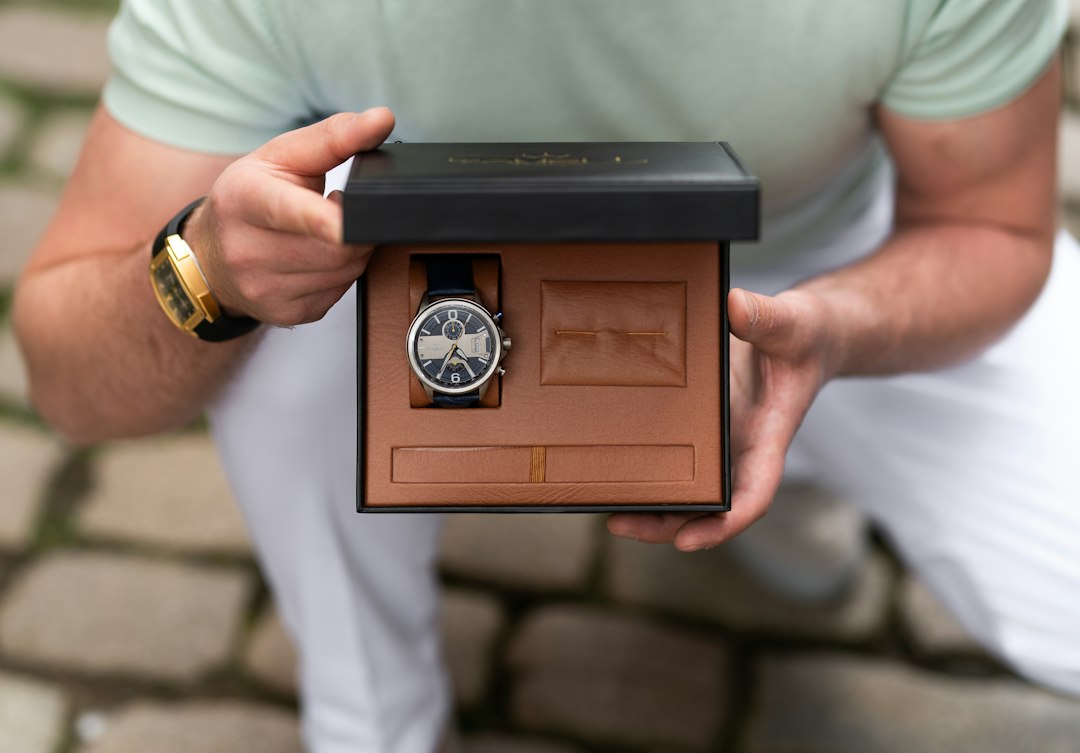
3. Read the spec sheet and compare like-for-like
Match the advertised specifications to the brand’s official product page. For electronics, compare model numbers, display specs and included accessories. For fashion, confirm materials and dimensions. Small deviations may mean a different (often cheaper) variant.
4. Scrutinize reviews and on-site images
Prefer reviews with photos or videos. Verify whether reviewers mention authenticity checks, serial numbers or service experiences. Beware of generic five-star reviews with no detail; they may be manipulated. Look for reviews that describe the post-purchase experience—delivery speed, packaging condition, and how the seller handled problems.
5. Check return, warranty and repair policies
Reading return and warranty terms is especially critical for premium products. Confirm who pays return shipping for high-value items, whether returns require original packaging and if manufacturer warranties apply to items sold through third parties. If the seller’s return window is unusually short or their policy ambiguous, ask for clarification in writing before you buy.
6. Test the seller’s responsiveness
Send a specific question and note the response time and tone. A seller who replies quickly with precise answers (scans of paperwork, clear photos, scan of serial numbers) is typically easier to work with if issues arise. Save correspondence that confirms promises made.
Use price and context to assess risk
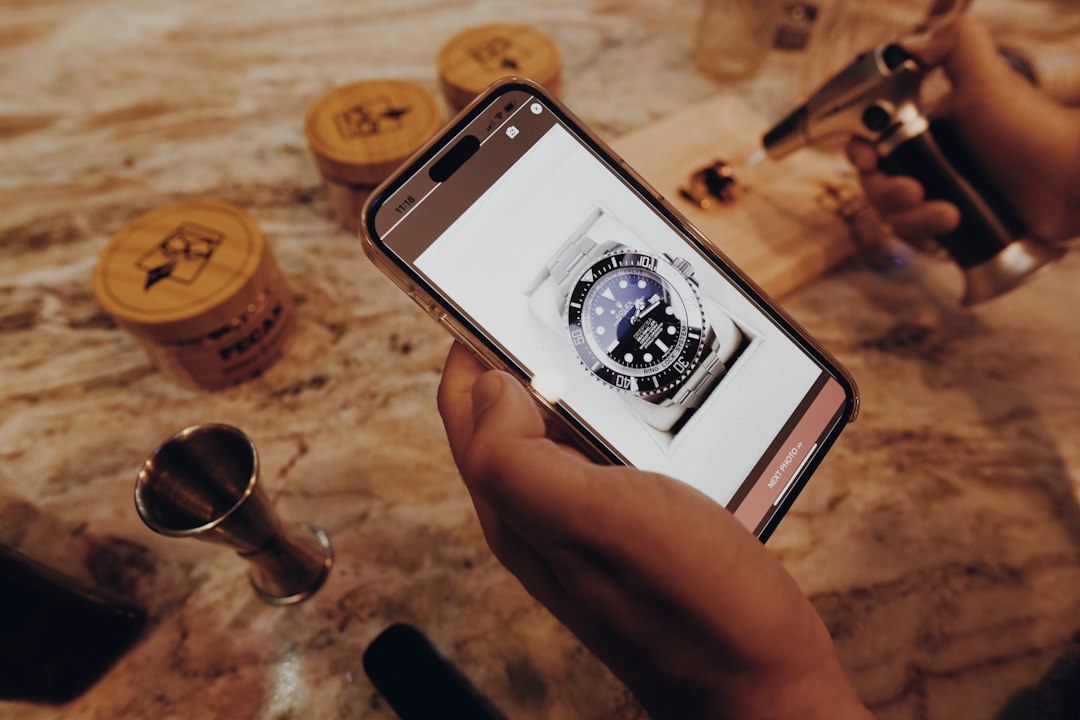
Price alone isn’t proof of authenticity, but extreme discounts on premium brands often indicate grey-market or counterfeit goods. A small markdown on a licensed retailer may be fine; a 50–70% drop on a brand-new premium item should prompt more rigorous provenance checks.
When to accept a small unknown and when to walk away
Some purchases tolerate a bit more uncertainty—accessories, open-box items with clear photos, or lower-cost variants. For core premium purchases (watches, high-end electronics, designer handbags), require serial verification, original packaging and a reasonable return policy. If any of those are missing, be prepared to walk away or budget for authentication services and repairs.
Practical tools and one recommended product to reduce friction
Authentication services, credit card purchase protection and logged seller communications are your safest aids. For the common need of protecting and testing electronic premium purchases at home—where cable and power issues can mimic product faults—one useful accessory is a quality replacement power cord that matches manufacturer specs.
This J-ZMQER 8ft 2-Pin AC Power Cord (ID 733) is a practical, high-ranked store option when you need a compatible power connection for premium electronics or to rule out a power-related fault before contacting the seller or brand support.
Troubleshooting common problems after purchase
- Item damaged on arrival: Document packaging and product with timestamped photos; open a claim immediately per the seller’s policy and keep all messaging in writing.
- Suspected counterfeit: Contact the brand with serial numbers and photos—many brands will verify authenticity and advise next steps; file a dispute with your payment provider if the seller is uncooperative.
- Warranty confusion: Ask the seller to confirm if manufacturer warranty transfers. If not transferable, weigh repair costs against return options or resale value before committing.
Adaptations for specific categories
Electronics: Prioritize model and serial number matching, and verify included accessories. Fashion: Check material labels, stitching close-ups and zipper/closure hardware. Beauty/skincare: Prefer sealed, batch-coded products and check expiration dates.
Final perspective: prioritize what you can control
You can’t eliminate every risk, but you can control the information you gather: provenance, seller behavior, paperwork and clear policies. Those controls turn a premium online purchase into a predictable transaction rather than a gamble.
- Confirm seller is authorized or can prove provenance.
- Cross-check serial/model numbers with the brand.
- Read several photo-backed customer reviews for real-world details.
- Verify return, warranty and repair terms in writing.
- Test seller responsiveness with a direct question before purchase.
- Be wary of unusually deep discounts unless provenance is verifiable.
Buying premium items online is mostly about gathering the right verification before purchase: documentation, clear seller policies and responsive communication. When those are present, a higher price becomes a fair trade for predictable service and lower risk.
How can I verify a serial number?
Many brands offer online serial number checks or customer service verification; provide photos and the number to the brand and compare it to official listings or warranty registration pages.
Is buying from third-party marketplaces safe for premium goods?
It can be, if the seller is authorized, offers clear provenance and provides a return policy. Use the extra checks outlined above before proceeding.
What if the product arrives counterfeit or damaged?
Document everything, contact the seller immediately, and open a dispute with your payment provider if you cannot resolve it. Contact the brand for authenticity verification when applicable.
When is it worth paying for professional authentication?
For very high-value items (collectible watches, rare handbags, vintage jewelry), professional authentication is often worth the fee because it protects resale value and avoids large losses.