 Wishlist


Quick answer: Start by deciding what you actually use, then organize by function and vertical space
If you want to organize a small kitchen successfully, first remove things you rarely use, group items by task (cook, prep, clean), and add vertical or drawer-based organizers where needed. This reduces clutter and makes everything reachable without expensive renovations.
What really matters before you buy organizers
Too many people buy storage gadgets and then wonder why the kitchen still feels cramped. The three priorities that determine whether an organizer will help are:
- Use frequency — keep daily items within easy reach; relocate rarely used appliances to a closet or high shelf.
- Workflow zones — define cook, prep, cleanup and coffee/snack zones to avoid repeated trips across the room.
- Sightline and access — open shelving looks larger but requires neat containers; drawers and pull-outs hide clutter and make access easier.
Do these simple checks first: count how many pots, plates, utensils you really use each week; note where you do most prep; measure your drawers, cabinets and vertical clearances. Buying one well-chosen item that fits measured space beats three generic organizers that don’t fit.
Zone your kitchen by task, not by cabinet
Arrange storage so each zone has the tools and ingredients needed for that task:
- Cook zone (near stove): pots, pans, spatulas, oils and salt. Store what you grab while cooking at arm’s reach.
- Prep zone (counter with good light): knives, cutting boards, mixing bowls and measuring tools. Keep these in shallow drawers or upper cabinets directly above the counter.
- Cleanup zone (near sink): dish soap, drying rack, trash, recycling and cleaning supplies. Use under-sink organizers or a slim pull-out trash bin.
- Beverage/snack zone: coffee, mugs, snack jars—keep these in a low-traffic cabinet near the fridge or a small countertop station.
When you map items to zones, you’ll see which cabinet space is wasted and where targeted organizers or decluttering will make the biggest difference.
High-impact space savers that actually work
Prioritize vertical and modular solutions that match how you use the kitchen:
- Vertical pan and lid storage: store lids vertically in a rack or on a shelf divider so pans stack without rummaging.
- Clear drawer dividers: use adjustable clear trays to separate utensils, gadgets and linens—visibility reduces duplicates and lost tools.
- Wall-mounted rails and magnetic strips: free up drawer space by hanging frequently used knives and metal utensils near the prep area.
- Stackable containers and nesting cookware: choose nesting pots or compact cookware sets to minimize occupied volume.
- Door-mounted racks and slim pull-outs: add storage to otherwise wasted cabinet doors or slim gaps beside appliances.
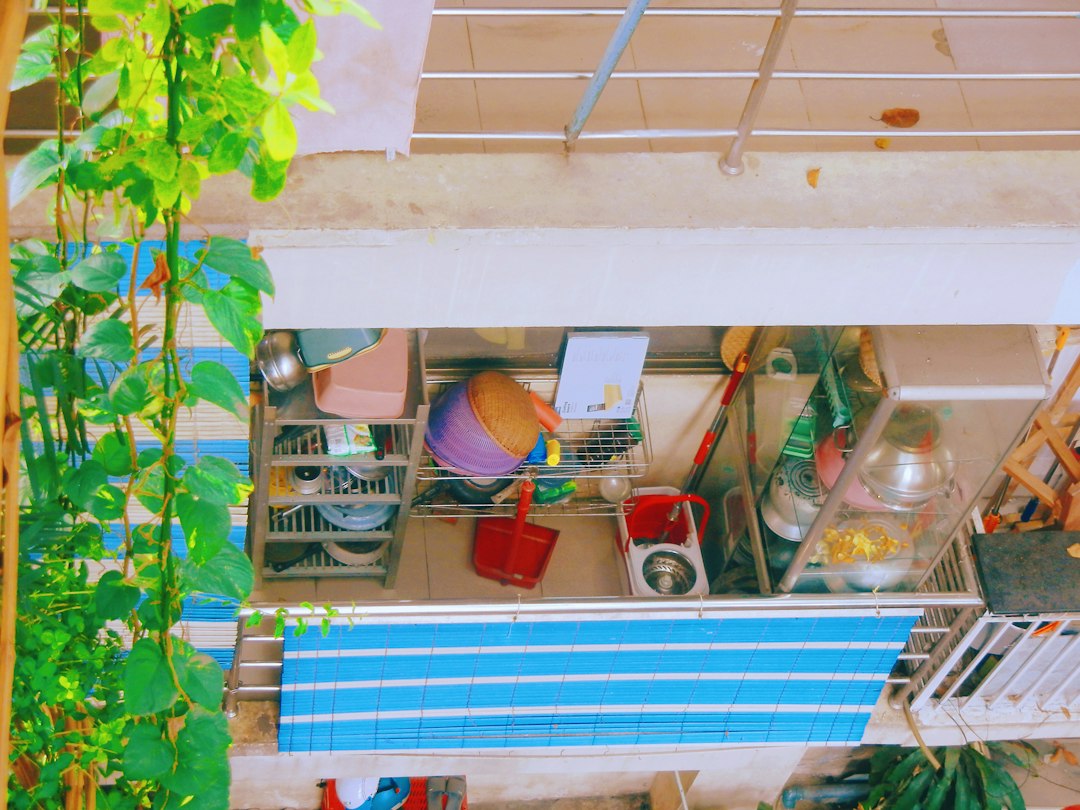
How to handle cookware and dishes in tight cabinets
Heavy, bulky items consume the most cabinet real estate. Use these strategies:
- Keep only what you use: limit to 1–2 skillets, a saucepan, a stockpot and a baking sheet unless you entertain often.
- Stacking and nesting: nest bowls and pots; use felt or silicone protectors between pans to avoid scratches while keeping them compact.
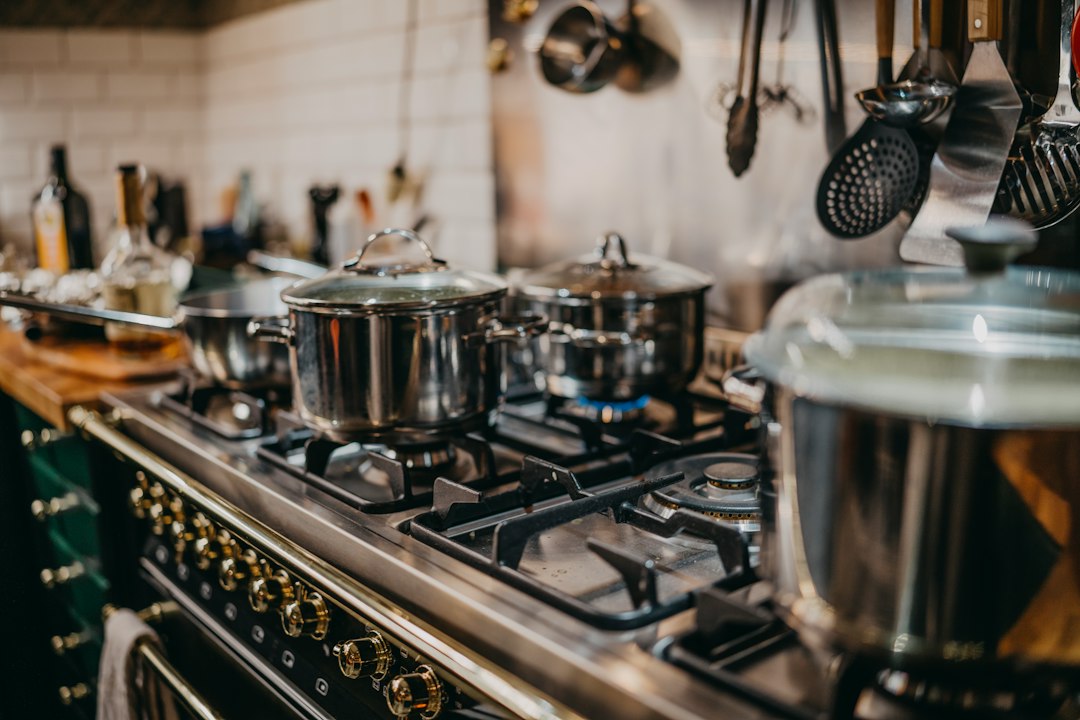
- Dedicated pot rack if you have vertical room: hanging pans over the stove or on an empty wall can reclaim cabinet space.
Product suggestion: if you need a compact nonstick set that nests and is easy to store, consider this well-rated pots and pans set designed for everyday use.
Drawers vs. cabinets: when to prefer each
Drawers win for access—shallow drawers for utensils, deep drawers for pots and pans with inserts. Cabinets are better for odd-shaped bulk items and rarely used appliances.
- Shallow drawer: use clear tray dividers for cutlery and prep tools so you can see everything at once.
- Deep drawer: add a modular organizer or a plate rack to keep lids and plates separated and upright.
- Upper cabinets: reserve for infrequently used bakeware, glassware or labeled pantry containers.
Selecting small organizers that actually fit your kitchen
Measure first—drawer width, cabinet depth and door interior—then pick items sized to those dimensions. Two reliable product types in small kitchens:
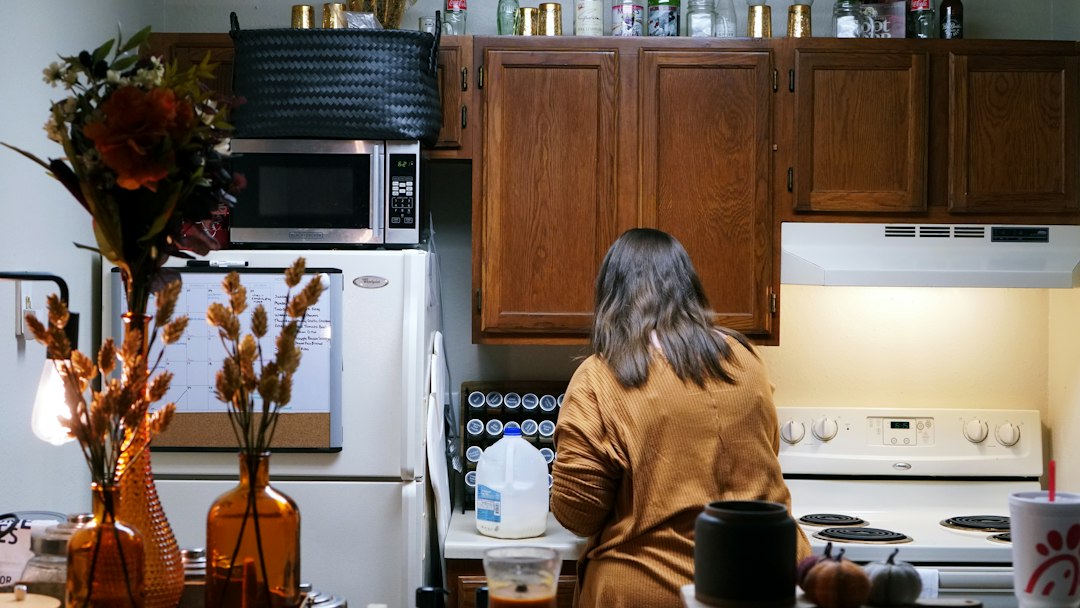
- Clear modular drawer trays (for utensils and gadgets): they let you reconfigure compartments as needs change.
- Bamboo or compact pull-out boxes for bags and wraps to hide clutter in a shallow drawer.
If you want a low-cost, visible improvement, clear compartment trays for your main utensil drawer are especially effective.
Pantry and food storage—make frequently used items visible
In small kitchens the pantry is often a single cabinet or a narrow closet. Use consistent clear containers for dry goods and label them. Store similar items together (baking, grains, snacks) and put the most-used items at eye level.
Tip: move rarely used bulk items to a storage bin in a hallway closet to free kitchen space.
Under-sink and cleaning supply organization
Under the sink is awkward but valuable. Install a compact pull-out caddy or a two-tier organizer to keep cleaning sprays upright and toiletries separated from trash bags and sponges. Avoid stacking too many things—access is more important than packing every inch.
Maintenance routines that keep the kitchen organized
Organization breaks down without tiny habits. Commit to these three routines:
- Weekly five-minute tidy: clear counters, put stray items back in their zone, and spot-clean shelves.
- Monthly purge: remove duplicates, stale food, or gadgets you haven’t used in six months.
- Measure before you buy: if a container won’t fit the measured space, don’t buy it.
One sensible decision to make now
Measure one problem area (a crowded drawer, under-sink space, or the cabinet under the stove) and buy one targeted solution: clear adjustable drawer dividers for cutlery and tools or a compact pot set that nests. That single change usually creates space and momentum to address the rest.
- Measure drawers and cabinet depths before buying organizers.
- Define cook, prep, cleanup and beverage zones.
- Declutter items not used in the past six months.
- Add one vertical storage solution (pan rack, rail, or shelf) first.
- Use clear containers or labeled jars for pantry visibility.
Organize a small kitchen by prioritizing the items you use most, zoning tasks, and adding vertical or drawer organizers that match measured spaces. One targeted purchase and a short weekly tidy go farther than many mismatched gadgets.
How many pots and pans should a small kitchen keep?
A functional small kitchen typically keeps one skillet, one sauté pan, one saucepan, a stockpot or Dutch oven, and a baking sheet—add specialty items only if you use them regularly.
Are clear drawer dividers better than built-in organizers?
Clear dividers are more flexible and visible, letting you reconfigure as needs change; built-ins save money long-term but must fit precisely to be useful.
What’s the best way to store lids?
Store lids vertically in a rack or on a cabinet door so they’re easy to see and don’t take up horizontal shelf space.
Should I keep my mixer on the counter in a small kitchen?
Only if you use it weekly; otherwise store it in a higher cabinet or closet and keep a small, easy-access appliance for daily tasks.
How often should I declutter kitchen tools?
Do a quick purge seasonally and a focused review every six months to remove duplicates and rarely used gadgets.