 Wishlist



What a relaxing self-care routine looks and feels like
A practical self-care routine reduces decision fatigue and reliably signals your brain to switch from doing to recovering. A good at-home routine ends with you feeling calmer, rested and slightly more in control of your time — not drained by an overlong checklist. Below is a simple framework you can tailor to mornings, evenings or both.
Create the environment first
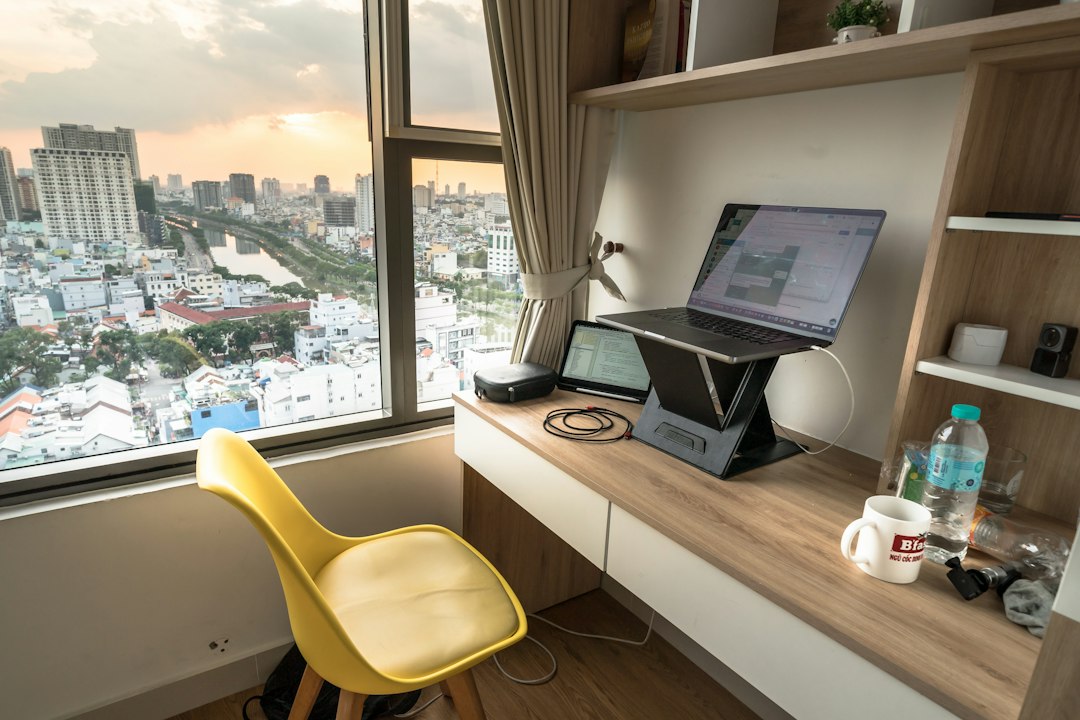
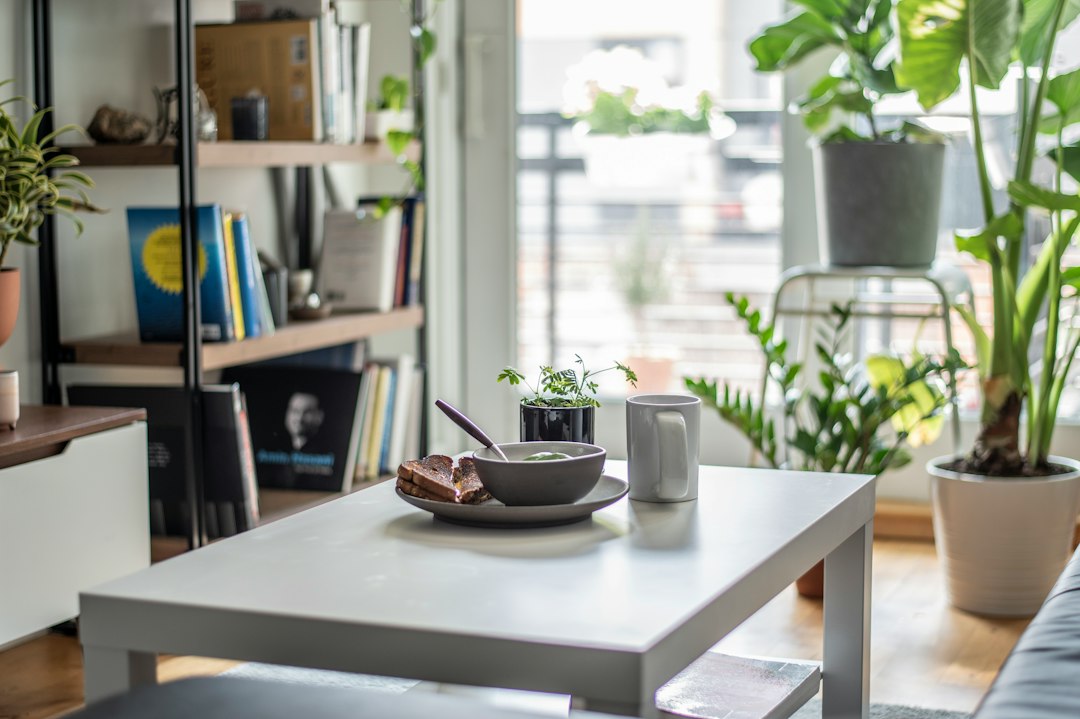
Relaxation often starts with the environment. Spend 10–15 minutes shaping one small space you use regularly for downtime: bedside corner, bathroom shelf, or a chair by the window. Key changes that make a disproportionate difference:
- Light: add a warm lamp, dimmer, or candles to avoid harsh overhead lights.
- Sound: a small speaker or white-noise app with a calm playlist or nature sounds.
- Comfort: a soft throw, slippers, or a cushion to physically invite you to slow down.
- Declutter: remove work items and visible reminders of errands; leave only one intentional object like a book or journal.
Design a short, repeatable core routine
Most effective routines are short and repeatable. Aim for 10–30 minutes. Below is a balanced example that works any evening; you can shift elements to mornings if needed.
- Transition (1–3 minutes): Turn off screens or set them to Do Not Disturb. Change into comfortable clothes to mark the start of self-care.
- Settle with breath (2–5 minutes): Practice one calming breathing pattern — for example, inhale 4, hold 2, exhale 6 — while seated upright. This reduces arousal quickly.
- Hydrate or sip (2–5 minutes): Drink water or a warm herbal tea slowly; the ritual of sipping helps slow your pace.
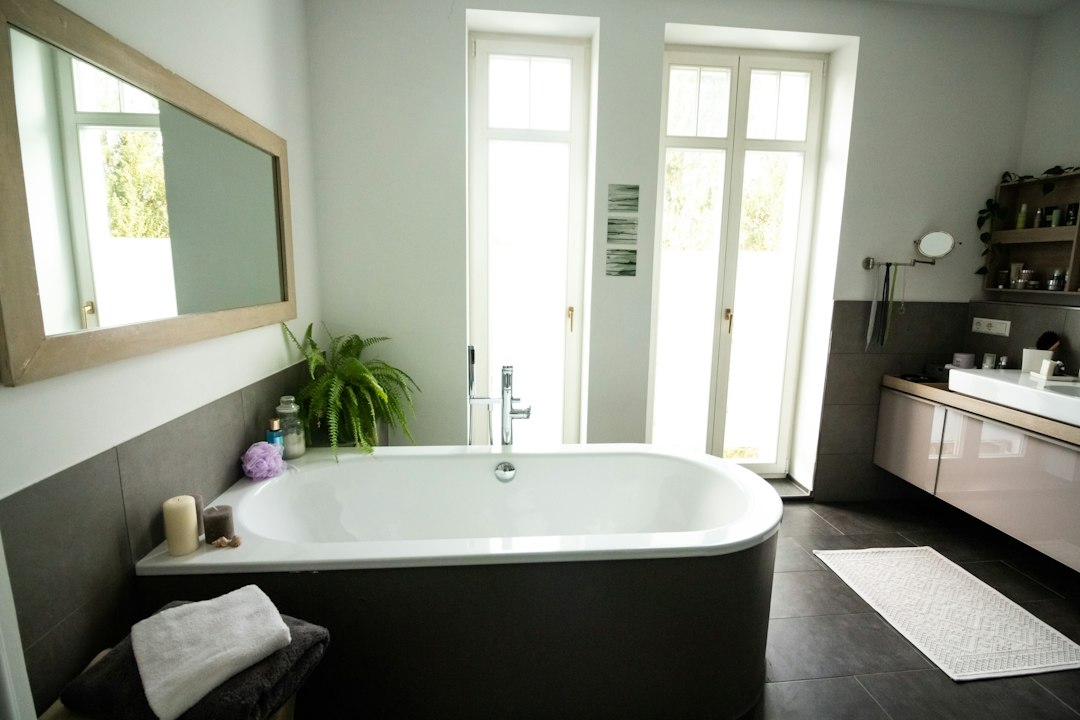
- Targeted ritual (5–15 minutes): Choose one focused activity: a skincare sequence, a short guided meditation, a 10-minute read, or a warm bath with a shower steamer.
- Close (1–3 minutes): Write one sentence of gratitude or one task for tomorrow to offload lingering thoughts, then dim lights and move to sleep or leisure.
Choose activities that restore both mind and body
Rotate from these categories so your routine doesn't become monotonous:
- Body: warm bath or shower, foot soak, gentle stretching or progressive muscle relaxation.
- Skin & scent: simple cleansing, a hydrating face oil or night cream, and a calming scent like lavender or bergamot.
- Mind: breathwork, a 5–10 minute guided meditation, or light journaling to process the day.
- Pleasure: read a poem, listen to a favorite short playlist, or savor a few squares of dark chocolate — easy joys reinforce the habit.
Tools and small purchases that are actually useful
You don’t need a lot. Invest in one quality supporting item that removes friction: a soft robe, a reliable diffuser, or a curated self-care set that puts multiple items together. If you want a ready-made starter option, the deluxe self-care gift set in our catalog (ID 847) bundles bath and body items to create that spa feeling without mixing products yourself.
How to schedule your routine so it sticks
Consistency beats complexity. Pick a cue and a time you can realistically protect three or four nights a week. Examples:
- Right after dinner: signals the end of productive hours.
- One hour before bed: use as a pre-sleep wind-down.
- Saturday morning: a longer version with a bath and extended reading.
If you miss a day, treat it as data: was timing wrong, or was the routine too long? Shorten or move it rather than abandoning it.
Troubleshooting common obstacles
I don’t have time
Use micro-routines: two minutes of breathwork plus applying a face oil while standing counts as meaningful self-care.
I get distracted by my phone
Put the phone in another room or use a physical timer. A visible, non-digital cue helps the brain commit to the ritual.
It feels indulgent or guilty
Reframe self-care as maintenance: short routines improve sleep, mood and productivity. Start with pragmatic goals (sleep better, feel calmer) rather than moralizing the time spent.
Adaptations for different needs
Customize by energy level: when low-energy, prioritize tactile comforts (warm drink, blanket). When stressed, prioritize breathwork and journaling. When short on time, replace a bath with a 5-minute chair-stretching session and moisturizing massage on your hands and forearms.

Quick nightly skincare mini-routine (3–6 minutes)
- Cleanse: gentle face wash to remove grime.
- Treat: apply a targeted serum or eye cream if you use one.
- Seal: moisturizer or face oil to finish; use slow, deliberate motions as a calming cue.
These steps double as both practical care and a tactile signal to your nervous system that it’s time to unwind.
- Pick one consistent daily time for 10–20 minutes of routine.
- Create a small relaxation space with warm light and minimal clutter.
- Choose one physical and one mental restorative action each session.
- Have one low-friction product (diffuser, cozy robe, or gift set) ready to lower effort.
- Use a simple closing ritual: one-line journal note or a quick to-do list for tomorrow.
Start with a tiny, repeatable routine anchored by environment and a clear cue. Prioritize one thing for the body and one for the mind, protect the chosen time, and iterate based on what you actually do rather than what you intend.
How long should a relaxing self-care routine be?
Start with 10–20 minutes for daily practice; allow one longer weekly session (30–60 minutes) for baths or longer reading. Consistency matters more than duration.
What if I can’t stop thinking about work?
Use a short brain dump: write three items you’ll do tomorrow for two minutes, then close the notebook. This externalizes worries so your mind can relax.
Are aromatherapy products effective for relaxation?
Many people find certain scents (lavender, bergamot) reliably calming; use them as a cue, but avoid overstimulation—one familiar scent is enough to support the routine.
Can I build a routine on a tight budget?
Yes—focus on environment and habits, not products. A soft light, a cup of tea and a 5-minute breathing practice are low-cost and effective.