 Wishlist


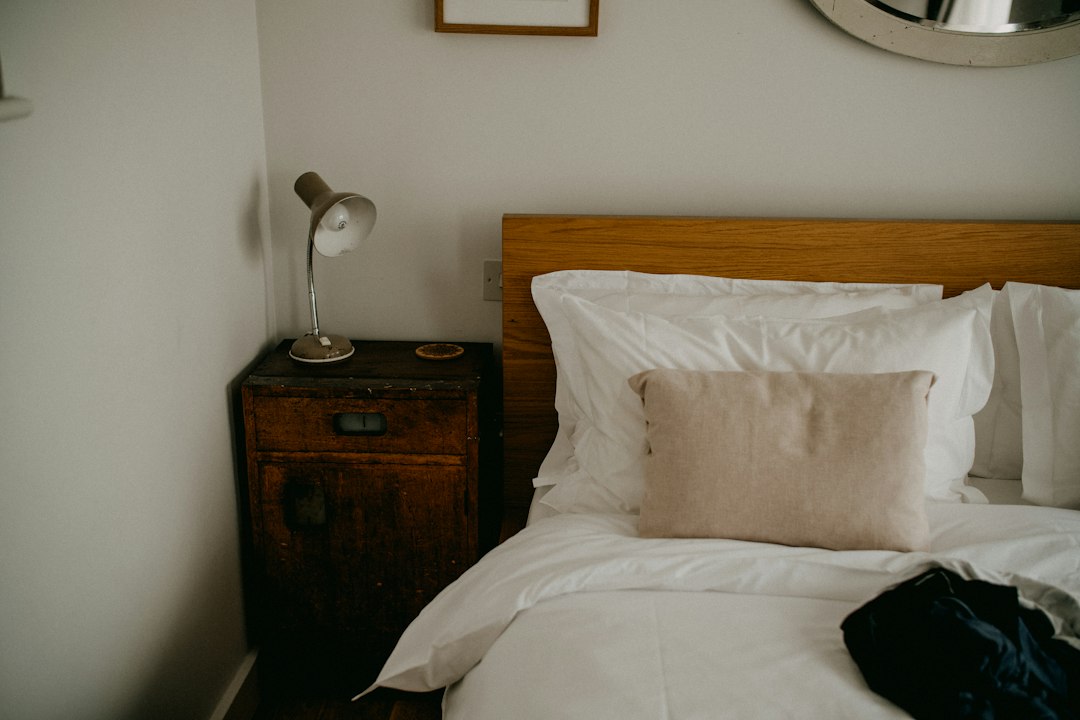
That first morning feeling—calm, pulled-together, and a little hotel-like—is achievable without a designer’s budget
You open your bedroom and notice the rumpled duvet, mismatched lamp, and an empty nightstand. Creating a luxury bedroom on a budget means making a few targeted choices so the room reads cohesive and intentional. Below is a practical order of changes that produce a noticeably higher-end result without replacing everything at once.
Start with the vision: define one simple luxe look
Decide the mood you want—calm neutral, modern monochrome, or warm classic—and limit the palette to three colors: a dominant neutral, a complementary mid-tone, and one accent. A focused palette immediately makes mixed items look curated. Write the three colors down and use them as a filter for purchases and swaps.
Upgrade the largest visual planes first (walls, bed, floor)
These surfaces set the room’s perceived value.
- Paint smart: A fresh coat in a soft, warm neutral or muted gray transforms the room more than any single accessory. If you can’t repaint, focus on the wall behind the bed with a slightly darker accent tone to create depth.
- Rugs: Anchor the bed with a soft area rug large enough that the front two-thirds of the bed sits on it. You don’t need an expensive wool rug; blended fibers in a subtle pattern elevate the floor while hiding imperfections.
- Headboard impact: A headboard changes a bedroom’s personality. If a new headboard is out of budget, make one: cover plywood with inexpensive batting and neutral fabric, or hang an oversized framed textile or mirror.
Invest where it shows: bedding and textiles
The bed is the focal point—spend a meaningful fraction of your budget here.
- Sheets and duvet: Prioritize higher thread-count-feel weave (percale or sateen) over brand-name labels. A crisp white or warm ivory duvet cover reads expensive. If you must skimp, choose a neutral cover and add texture elsewhere.
- Layering: Use a fitted sheet, a duvet, a thin textured throw and three pillow layers (sleep pillows, European shams, decorative cushions). Even inexpensive cushions look luxe when grouped and balanced in scale.
- Throw for polish: A faux fur or chunky knit throw draped casually over the foot of the bed adds immediate luxury; it’s a low-cost, high-impact item.
Lighting that flatters: replace one lamp at a time
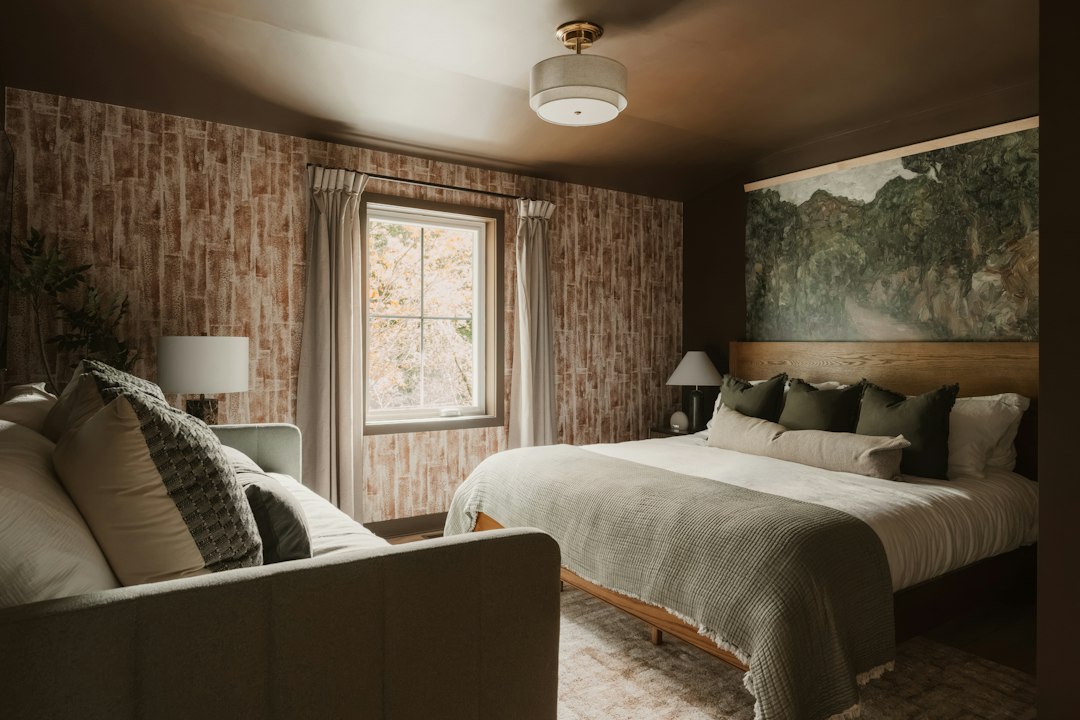
Good light sells luxury. Replace harsh overheads or mismatched bedside lights with warm, layered options.
- Bedside lamps: Choose lamps that match in scale and finish—pairing adds symmetry. A dimmable or three-way lamp improves mood without extra spending.
- Statement overhead: If you can swap one fixture, pick a simple pendant or flush mount with a warm finish; it reads costlier than its price tag.
- Practical product pick: For an affordable, polished bedside option, consider the PARTPHONER Traditional Table Lamp (ID 3143) for a cohesive, vintage-inspired accent that fits most budgets.
Declutter and style surfaces like a pro
Luxury spaces feel calm because every surface has a purpose.
- Nightstand edit: Keep only essentials: lamp, a small tray for jewelry/keys, and one decorative object (a candle or small vase). Use a single stack of two books rather than a jumble.
- Hidden storage: Use under-bed boxes or a basket to remove visible clutter—luxury equals space, not stuff.
- Symmetry and scale: Match objects across sides of the bed when possible; similar height and weight create balance even with inexpensive pieces.
Texture and details: the subtle cues of expense
Texture convinces the eye the room cost more than it did.
- Mix materials—linen curtains, a velvet cushion, a matte ceramic lamp base—to add depth.
- Add one metallic or polished element (small tray, picture frame) to catch light and suggest refinement.
- Replace dated hardware on dressers and doors with simple, modern pulls; the swap is inexpensive but instantly modernizes furniture.
Art, mirrors and window treatments that enlarge the room
Framing and placement create scale.
- Single large piece: One oversized print or mirror above the bed looks more sophisticated than a gallery of small frames. Lean it against the wall if you can’t hang it.
- Curtains to the floor: Hang curtains near the ceiling and let them puddle slightly on the floor; the illusion of height is a classic luxury cue.
Where to spend a little more and where to save
Spend: bedding, one light fixture, and a rug. These change daily experience and photos. Save: decorative cushions, cheap nightstand finds, and obvious branded items.
Quick troubleshooting and adaptations
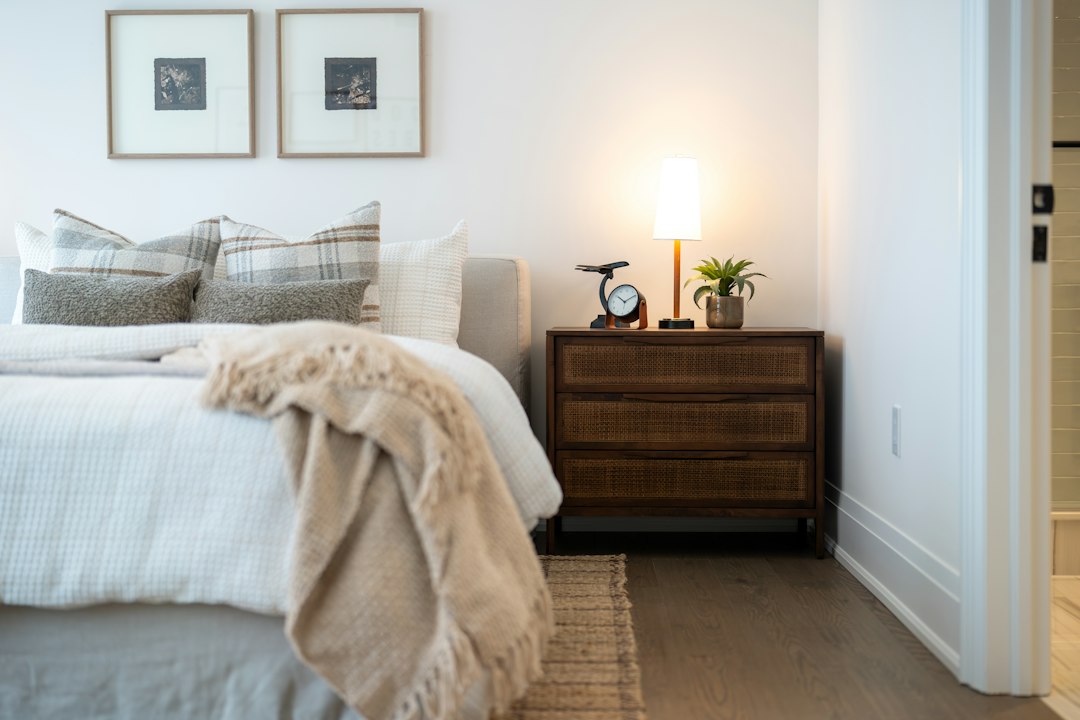
If the room still feels busy, remove one accessory from each surface and reassess. If it reads too sparse, add a single textured layer—an extra pillow or a knit throw—to warm it back up. For renters who can’t paint, use removable wallpaper or large fabric panels behind the bed.
- Pick a 3-color palette and use it as a purchase filter
- Freshen walls or add an accent behind the bed
- Invest in bedding and one cozy throw
- Upgrade bedside lamps to matching, warm-toned options
- Declutter surfaces and use hidden storage
- Add one oversized art or mirror and floor-length curtains
Focus on the largest visual anchors—walls, bed, and lighting—then layer textiles and textures. Small, targeted purchases and disciplined editing will give you a hotel-like bedroom without an inflated budget.
How much should I spend on bedding?
Prioritize one quality piece—usually the duvet cover or sheet set—rather than buying many mediocre items; allocate roughly 20–30% of your room refresh budget to bedding if possible.
Will painting the room really make a big difference?
Yes—a coordinated paint job or even a single accent wall dramatically improves perceived value and ties mixed furniture together.
Can I get a luxury look without buying a new bed?
Yes—use a DIY headboard, scaled bedding layers, and a rug to change the room’s focal point without replacing the mattress or frame.
Are faux materials noticeable as cheap?
Not if you use them sparingly and in neutral tones; a faux fur throw or velvet cushion in a restrained palette reads luxe rather than artificial.
What lighting color temperature should I choose?
Warm white (2700–3000K) creates a cozy, hotel-like atmosphere that flatters skin tones and bedding textures.